
As you grow older, health stops being something you think about occasionally and becomes a daily priority. Small issues take longer to heal, chronic conditions need closer attention, and medical costs can rise faster than expected. This makes preventive healthcare more important than ever. For seniors living in a city like Chicago, IL, where high taxes and a steep cost of living already stretch budgets, staying healthy is not just about feeling good; it’s about staying financially and physically independent.
This guide breaks down the most important preventive healthcare steps seniors should focus on as they age, helping you stay proactive, informed, and confident about your health decisions.

Ensure You Have the Right Medicare Plan for Your Needs
Access to healthcare depends heavily on having the right Medicare plan in place. For seniors living in Chicago, rising medical costs can quickly become stressful without proper coverage. A well-chosen plan helps manage doctor visits, hospital care, and prescription expenses while keeping out-of-pocket costs predictable. Comparing options matters because each plan offers different benefits, networks, and coverage limits. Medicare Advantage, Medigap, and Part D plans all serve different needs, and choosing without guidance can feel overwhelming. Many seniors benefit from working with local professionals who understand both healthcare and financial concerns. If you are still exploring Medicare Insurance Chicago options, companies like O’Neal Insurance Group offer support and help seniors find coverage that aligns with their health needs and budget.
Stay Consistent With Routine Health Screenings
Routine screenings play a major role in preventive healthcare for seniors. Many serious conditions develop slowly and show few symptoms in the early stages. Regular screenings help catch issues like cancer, diabetes, or kidney problems before they affect daily life. Doctors can then recommend treatment or lifestyle changes that prevent further damage. Staying consistent with appointments also builds a stronger relationship with healthcare providers. Over time, they gain a clearer picture of your health history and can spot changes more quickly. Skipping screenings may seem harmless in the short term, but it often leads to delayed diagnoses and harder recoveries later.
Prioritize Heart and Blood Pressure Monitoring
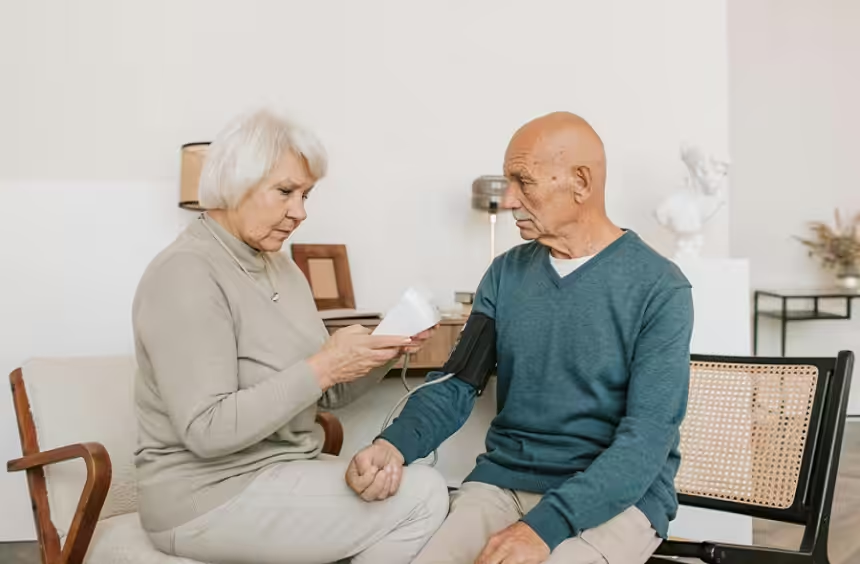
Heart health becomes more important with age, as the risk of high blood pressure, heart disease, and stroke increases. Regular monitoring helps seniors stay informed about changes that may need attention. Simple checks during doctor visits can reveal trends that signal potential problems. Managing blood pressure and cholesterol early helps reduce strain on the heart and blood vessels. Preventive steps like routine testing, medication reviews, and healthy habits often lower the risk of emergencies. Paying attention to heart health also supports energy levels and mobility, which are key to maintaining an active lifestyle as you age.
Focus on Bone, Joint, and Mobility Health
Strong bones and flexible joints support balance, movement, and overall safety. As people age, bone density often decreases, and joints may stiffen or weaken. Preventive care helps reduce the risk of falls, fractures, and long recovery periods. Doctors may recommend screenings to check bone strength and identify early signs of weakness. Staying mobile also supports circulation and muscle health. When seniors focus on joint and bone care early, they protect their ability to move freely and handle daily tasks without fear or discomfort.
Keep Up With Vision and Hearing Care
Changes in vision and hearing often happen gradually, which makes them easy to ignore. For seniors, these changes affect more than comfort. Poor vision increases the risk of falls, driving issues, and medication errors. Hearing loss can lead to isolation, frustration, and missed medical information. Preventive eye and hearing exams help catch problems early, when treatment options are more effective. Updating prescriptions, adjusting hearing support, or addressing underlying conditions can significantly improve daily safety and communication. Staying proactive with vision and hearing care helps seniors remain engaged and confident in everyday activities.
Manage Chronic Conditions Proactively
Many seniors live with one or more chronic conditions that require long-term attention. Preventive healthcare focuses on managing these conditions before they worsen. Regular monitoring allows doctors to adjust medications, recommend lifestyle changes, and address side effects early. This approach reduces flare-ups and lowers the risk of emergency visits. Proactive management also helps seniors understand their conditions better, which improves decision-making and adherence to treatment plans. When chronic conditions stay controlled, daily life feels more predictable and less stressful.
Don’t Overlook Mental and Emotional Health
Mental and emotional health deserve the same attention as physical well-being. Aging can bring life changes that affect mood, memory, and motivation. Preventive mental health screenings help identify depression, anxiety, or early cognitive concerns before they interfere with daily functioning. Staying socially connected also plays a key role in emotional health. Conversations with healthcare providers about sleep, stress, and emotional changes should feel routine, not uncomfortable. Addressing mental health early supports clarity, independence, and overall quality of life as seniors age.
Maintain Preventive Dental and Oral Health Care
Oral health often declines with age, yet it remains closely linked to overall health. Gum disease, tooth loss, and oral infections can affect nutrition and increase the risk of other health problems. Preventive dental visits help catch issues before they become painful or costly. Regular cleanings and exams also support proper chewing and digestion, which are necessary for maintaining strength and energy. Seniors who stay consistent with dental care often avoid complications that impact both comfort and confidence.
Build a Preventive Healthcare Routine You Can Stick To
Consistency is one of the most important elements of preventive healthcare. Building a routine that fits personal needs and abilities makes it easier to stay on track. This may involve scheduling regular checkups, keeping a clear list of medications, and maintaining open communication with healthcare providers. Preventive care works best when it becomes part of everyday life rather than an occasional task. A steady routine helps seniors feel organized and informed, which reduces anxiety around health decisions.
Preventive healthcare is not about reacting to problems. It is about creating stability and confidence in the years ahead. When seniors look out for themselves, they gain more control over how they age. Small, consistent efforts build trust in the healthcare process and reduce uncertainty. Ultimately, preventive care supports a future where seniors feel prepared, capable, and empowered to handle changes with clarity rather than fear.