
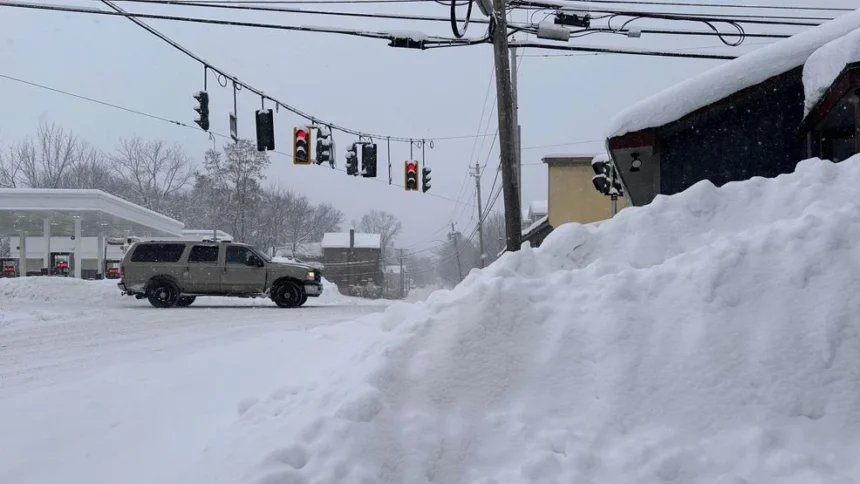
The National Oceanic and Atmospheric Administration (NOAA), the National Weather Service (NWS), and the Department of Homeland Security (DHS) have issued a joint emergency declaration regarding an expansive and life-threatening winter storm system forecasted to impact a majority of the United States. This is not a standard seasonal event; it is a critical public safety threat requiring immediate national mobilization. Federal authorities are operating under a unified defensive posture to mitigate the risks posed by this massive system, which demands that every citizen finalize their emergency preparations immediately.
As the system moves into position, understanding the specific meteorological trajectory is the first step in ensuring regional and personal safety.
Meteorologists at NOAA and the NWS have characterized this system as “expansive,” noting its capacity to disrupt daily life across nearly the entire landscape east of the Rocky Mountains. The strategic concern lies in the storm’s prolonged duration; beginning this Friday, January 23, the system is expected to persist through early next week. This extended window is critical, as the duration of the storm prevents repair crews from safely accessing downed lines or clearing roads, potentially turning standard outages into multi-day survival events.
The cumulative impact of heavy snow, sleet, and freezing rain will place unprecedented stress on national infrastructure. The following regional impacts have been identified:
| Region | Primary Forecasted Impacts |
|---|---|
| East of the Rockies | Widespread snow, ice, and extreme cold beginning Friday. |
| Southern Plain, Mid-South, & Carolinas | Broad swaths of freezing rain and sleet south of the all-snow zone. |
| New England | Significant impacts shifting east, persisting through Monday. |
| Gulf Coast | Rare sub-freezing temperatures reaching the southern coastline. |
While the frozen precipitation will halt travel, the environmental danger is magnified by the arrival of historic, life-threatening temperatures that represent the true lethal component of this system.
The projected temperatures associated with this system represent a Tier-1 emergency. With wind chills in the Plains forecasted to reach -50°F and sub-freezing temperatures penetrating the Gulf Coast, the threat to human life is immediate. At these extremes, frostbite can occur in minutes, and standard road de-icing chemicals often lose efficacy, rendering transit impossible. This prolonged cold prevents the recovery of physical assets and ensures that ice accumulation remains a persistent threat to the power grid.
According to official NWS warnings, the three most dangerous physical risks to the public during this window are:
• Treacherous and life-threatening travel conditions due to frozen precipitation and near-zero visibility.
• Prolonged power outages resulting from heavy ice accumulation on lines and infrastructure.
• Significant tree damage capable of crushing structures and obstructing critical emergency routes.
In response to these escalating hazards, federal agencies have initiated a coordinated effort to support state and local authorities.
The Department of Homeland Security (DHS) is leading the federal monitoring effort, working in lockstep with the Federal Emergency Management Agency (FEMA) to ensure a unified response. The strategic intent is to position federal aid and resources in high-risk zones ahead of the storm’s peak intensity, ensuring that relief is available the moment conditions allow for deployment.
DHS Secretary Kristi Noem emphasized the gravity of the situation, noting the high probability of systemic logistical failures:
“Please prepare and take precautions in the event of power outages, pipe-bursts, road closures, airport delays, flight cancellations, and freezing temperatures. Federal emergency management is positioning to effectively respond to these conditions, and is prepared to provide aid across the affected areas.”
With federal assets moving into place, the window for individual tactical readiness is closing.
Meteorological confidence is high that this significant storm will occur. Survival depends on strict adherence to safety protocols and the maintenance of multiple ways to receive emergency warnings, including weather and news apps. Citizens must check smoke and carbon monoxide detectors now. If using emergency heat sources, ensure proper ventilation; generators must be kept at least 20 feet away from any structure to prevent lethal carbon monoxide poisoning. Additionally, officials advise the public to “take it easy” when shoveling snow to avoid unnecessary heart strain in extreme cold.
To ensure resilience, households must secure a minimum three-day supply of food, water, and essential medications as mandated by Secretary Noem.
| Home & Personal Essentials | Vehicle & Emergency Gear |
|---|---|
| 3-day supply of food and water | Jumper cables, spare tire, and flares |
| Essential medications | Snow shovel and brush |
| Pet and farm animal supplies | Sand or kitty litter (for traction) |
| First aid kit | Tow rope and cell phone charger |
| Extra blankets and warm clothing | Blankets, mittens, hats, and boots |
| Water and snacks | Full tank of gas |
The severity of this storm has also necessitated a strategic contraction of public activities to protect the population and clear the way for emergency responders.
In the interest of public safety, federal and local authorities have coordinated with major organizations to preemptively cancel large-scale gatherings. This is a deliberate mitigation strategy designed to reduce traffic volume, thereby minimizing “treacherous travel” incidents and keeping roads clear for first responders.
Key adjustments to the national schedule include:
• Major League Baseball: The Texas Rangers have canceled their annual Fan Fest in North Texas due to forecasted frozen precipitation.
• Sun Belt Conference: Preemptive shifts to the women’s basketball schedule from Thursday through Saturday.
• American Athletic Conference: Men’s and women’s basketball schedules adjusted, with games moved to Friday.
• University of Tennessee: Swim meet at Georgia moved to Friday.
• USC Upstate: Women’s basketball game at Longwood moved to Friday.
The situation remains fluid. As the storm’s track and precipitation amounts are refined by the National Weather Service, residents are urged to monitor official news outlets and weather apps for real-time updates. Follow all directives from local emergency management officials without delay.