


St Vincent Opposition Leader Ralph Gonsalves on Monday offered a detailed critique of the current administration’s plans for healthcare infrastructure.
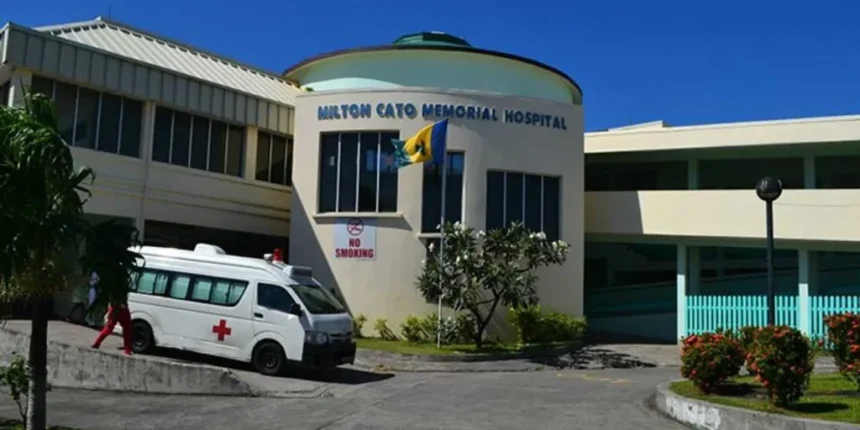
A significant portion of Gonsalves’ commentary focused on the debate between closing the Milton Cato Memorial Hospital (MCMH) versus maintaining it alongside the new facility at Arnos Vale facility.
Gonsalves strongly opposes the current government’s indication, particularly by Minister of Health Daniel Cummings, that they intend to close the Milton Cato Memorial Hospital,. He characterises this potential closure as a significant “error of judgement”.
Instead of closure, Gonsalves advocates for a strategy where MCMH is refurbished to house three core functions: maternity, pediatrics, and an upgraded accident and emergency (A&E) department. He emphasizes the necessity of maintaining an A&E at Milton Cato to service the western end of the country, noting that the existing facility is already frequently “jam-pack”.
Gonsalves said that his strategic approach is more fiscally responsible. He states that building new maternity and pediatric wings at the Arnos Vale site would cost an additional $35 million US, whereas refurbishing Milton Cato for these purposes is a more cost-effective use of existing infrastructure.
A key strategic priority for the former government Gonsalves said was establishing St. Vincent as a hub for pediatric care. He envisioned a refurbished Milton Cato hosting the World Pediatric Project (WPP), allowing for expanded theater space and potentially becoming a “premier pediatric hospital in the Caribbean”,. He notes that under his administration, WPP had already conducted over 110,000 consultations and 10,000 surgeries free of charge.
Addressing concerns about administrative redundancy, Gonsalves proposes a management strategy where both the Arnos Vale facility and Milton Cato operate under a single hospital administrator. This structure would allow for shared purchasing and flexible staffing, similar to how private hospitals in Barbados and Trinidad utilize staff from the public sector.
Gonsalves defended the lengthy planning process of the acute care hospital at Arnos Vale, framing it as a strategic necessity rather than a delay.
He explains that the gestation period for the hospital was long because the site required rigorous interrogation to ensure the facility would be “climate resilient,” particularly regarding its foundations and drainage. He notes that the design underwent multiple reviews by the World Bank to ensure it met high standards.
Originally involving the World Bank and OFID, the project faced procurement issues with a Chinese firm that had legal troubles elsewhere,. To avoid being “taken to the cleaners” by a single bidder, Gonsalves strategically shifted to financing through Taiwan, which also allowed them to repurpose World Bank funds for other needs like the “Berry” (likely Beryl) hurricane response.