


The global energy crisis, primarily driven by international conflicts such as the war involving the United States, Israel, and Iran, is expected to have significant negative impacts on St. Vincent’s economy, leading to rising energy prices, increased inflation, and supply chain disruptions.
Opposition Leader Ralph Gonsalves says residents should expect rising electricity bills due to an inevitable spike in the fuel surcharge. While there is a time lag between global oil price increases and local utility billing, the impact will eventually be felt. For context, during the 2022 energy spike following the Ukraine war, the fuel surcharge rose above 65 cents per unit.
Gonsalves says last year, St. Vincent imported over $200 million worth of energy products, with the national electricity provider, Vinlec, accounting for approximately $90 million of that total. As Brent crude prices have recently jumped by 27-28% to over $100 per barrel, the cost to bring these products into the country will rise significantly.
“Because energy products must be paid for in US dollars, the increased cost of these imports will place a heavier burden on the country’s foreign exchange reserves”.
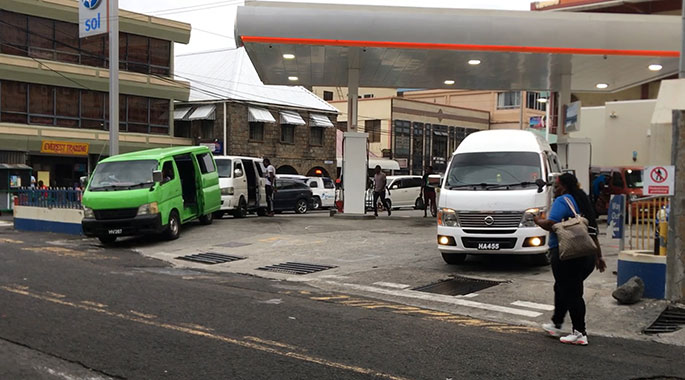
The bulk of energy consumption in St. Vincent is for transportation, with over 30,000 motor cars and many heavy trucks on the road.
“Prices for gasoline and diesel are expected to rise, potentially approaching $20 a gallon, which will heavily impact minibus and taxi operators. Additionally, jet fuel prices are rising faster than diesel or gasoline, which will likely increase the cost of travel”.
Beyond direct energy costs, the crisis is expected to trigger widespread inflation Gonsalves said.
“Increased shipping costs and global supply chain disruptions will lead to higher prices for food and manufactured items. The high cost of production makes it difficult for local products to compete with imports. For example, while a pound of local farine may cost $12 to $14, imported rice remains around $2 per pound, making it a more viable option for struggling families”.
Gonsalves suggest that the government may need to implement measures similar to those used during the 2008 and 2022 spikes.
“This could include support for public transport (minibuses) and low-income individuals, as the state’s limited resources make general subsidies unsustainable. Providing allowances for lowly paid government workers and encouraging backyard gardening and increasing local food production at competitive prices to reduce reliance on expensive imports”.