

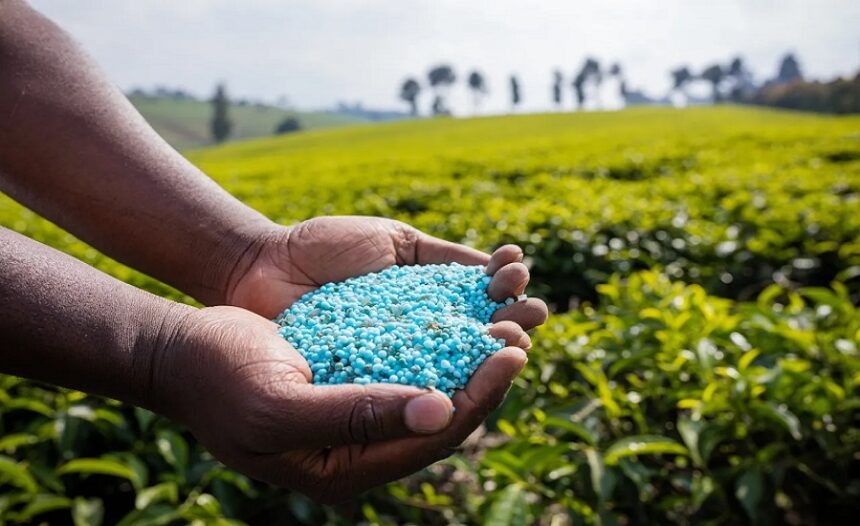
Looming Threats to Fuel and Fertilizer Supplies
Former Prime Minister Ralph Gonsalves has issued a stark warning regarding the severe implications of the ongoing US-Israel-Iran war on global food and energy security, specifically focusing on its potential to drastically disrupt fuel and fertilizer supplies in St. Vincent and the Grenadines and the wider Caribbean.
Gonsalves emphasizes that the conflict has essentially closed off the Strait of Hormuz, a critical maritime choke point through which 20% of the world’s oil, 30% of its liquefied natural gas (LNG), and roughly one-third of the global fertilizer trade pass.
To combat this crisis, Gonsalves has joined 33 prominent global figures—including former Jamaican Prime Minister P.J. Patterson—in signing an initiative spearheaded by the International Crisis Group. Modeled after the 2022 Black Sea Grain Initiative, the “Hormuz Initiative” seeks to establish a narrow, focused mechanism to allow the unhindered transit of food, fertilizer, and related intermediate materials like sulfur and ammonia through the strait, independent of any military action. Gonsalves warned that the scarcity of fertilizer will be particularly devastating for small farmers in poorer nations, who may be forced to plant less due to production costs, thereby worsening global food scarcity.
On the local energy front, Gonsalves detailed the immense financial pressure the disruption will place on St. Vincent and the Grenadines. He noted that Sol, which provides diesel for the state electricity company Vinlec, saw Vinlec purchase roughly $95 million worth of diesel last year.
Due to rising global prices, Gonsalves expects this figure to jump to well over $100 million this year. While his previous administration built fuel storage facilities capable of holding three to four months of supply—a significant upgrade from the country’s previous 7-10 day capacity price hikes remain a critical and immediate concern.
Gonsalves also analyzed the position of Rubis, another major fuel supplier for the region. While Rubis executives have expressed confidence in maintaining supply by rerouting shipments through locations like Singapore, Gonsalves cautioned that this will come at a high cost to consumers.
He pointed out that Rubis relies on government-regulated price formulas that act as a “natural hedge,” shielding the company’s unit margins and ensuring they maintain their profits even as crude costs rise. The local head of Rubis has already indicated that prices for gasoline, diesel, aviation fuel, and liquid petroleum gas (LPG) are expected to increase.
To cushion the blow, Gonsalves advises the government against implementing general subsidies, recommending targeted support instead. He proposed issuing cost-of-living allowances for lower-income individuals and targeted assistance for minibus operators and taxi drivers to prevent a cascading inflation effect on transportation. Furthermore, he urged the government to actively monitor and combat anticipated price gouging in local supermarkets as food prices inevitably react to fuel costs.
Recognizing the tightening global fertilizer market, Gonsalves outlined proactive strategies to protect local agriculture. He recalled how his government previously established the Input Warehouse Company, using the profits generated from being the sole importer of sugar to cross-subsidize fertilizer costs, ensuring farmers had access to the cheapest fertilizer possible.
To navigate the current shortage, Gonsalves insists that St. Vincent and the Grenadines must aggressively leverage international diplomacy rather than engaging in political “sideshows”. He proposed two immediate actions:
- Engaging Morocco: The government should utilize the Organization of Eastern Caribbean States (OECS) diplomatic mission in Rabat to negotiate direct fertilizer shipments from Morocco, a major global supplier.
- Lobbying the United States: Regional leaders must urge the US to lift sanctions against Venezuela. Removing these sanctions would allow the Caribbean to purchase reasonably priced fertilizer from a neighboring source and potentially resurrect a beneficial fuel arrangement similar to PetroCaribe.
