

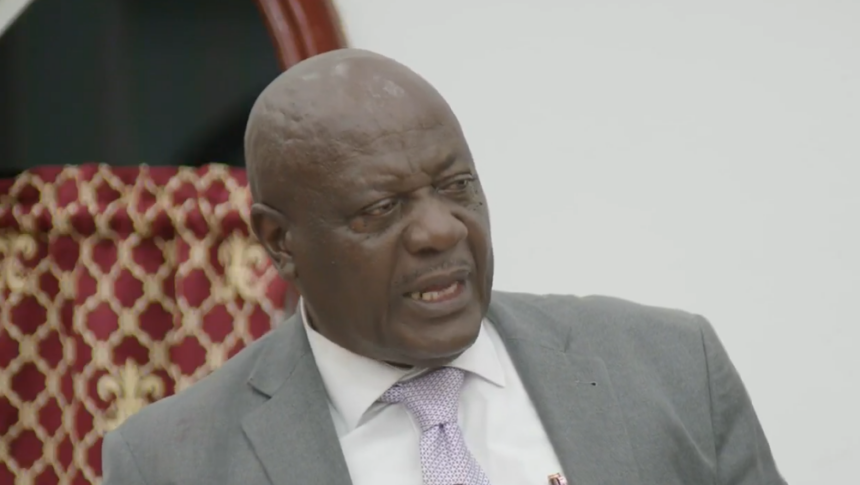
Minister of Housing Andrew John has provided a comprehensive update on the nation’s housing construction and rehabilitation projects, outlining a fraught but determined restart to the national housing program. While the Ministry is pushing forward with new home construction and nationwide roof repairs, the efforts are currently hampered by massive inherited debts, contractor discrepancies, and material shortages.
A significant constraint hindering the Ministry’s budget execution involves contracts issued under the previous administration. The Minister revealed that several housing contracts were paid in full, yet the houses were never delivered to the designated constituencies. Astonishingly, in one constituency, money was fully paid for a house where the land had not even been identified.
Furthermore, the Ministry has been forced to renegotiate massive debts owed to material procurement agencies. This includes significant sums owed to two Jamaican companies, including one named Tankwell, and over $1.6 million owed to a supplier of galvanized materials. Undocumented liabilities are also surfacing, such as trucking bills from individuals who were previously sent to collect materials purely by word of mouth.
To curb these issues, the Ministry has reformed its financial practices. Direct payments from the housing department have been halted; all funds must now be processed through the treasury system to ensure strict accountability. Additionally, the Ministry is working with the Attorney General to legally bind defaulting contractors to their agreements.
Housing operations in Union Island are essentially “starting from scratch”. According to the Minister, materials previously intended to restart the island’s housing program were distributed without any regard for accountability, leaving “not even a nail” behind. Only one and a half bases were completed by the previous administration.
Land availability poses an additional challenge, as the government has struggled to secure even a five-acre plot for new homes on the island. Despite these setbacks, the Ministry has restocked its warehouse and plans to ship new materials to Union Island immediately to resume the setup of steel-framed homes.
The Ministry provided a detailed breakdown of the two primary types of new housing slated for construction:
- Dura Villas: Out of 52 wooden homes imported from Guyana in 2021, 29 have been constructed thus far. The Ministry conservatively estimates that another 12 of these villas will be erected by December. The remaining homes are allotted across several constituencies, with North Leeward and North Windward receiving 10 each. Other allocations include West Kingston (1), West St. George (1), North Central Windward, and Marriaqua.
- Steel Frame (Prefab) Homes: The government currently has 50 prefabricated steel homes in its possession. Assembly takes approximately one to two weeks per unit, and a team from a Trinidadian steel fabrication company is expected to arrive to assist with the installations. In the Central Leeward constituency of Buccament, 10 platforms are already prepared for these homes. To streamline mobilization, the Ministry is looking to relocate its assembly plant to a more stable location and build these homes in clusters.
With the hurricane season imminent, the Minister stressed that the balance of the Ministry’s housing action for this year will prioritize retrofitting and rehabilitation over new construction. The national roof repair program remains actively ongoing.
To ensure efficiency, the Ministry is currently training assessors on the ground in every constituency. These assessors are tasked with verifying that requested materials are genuinely needed and subsequently utilized. The Minister issued a strong warning to the public to avoid a repeat of past material distribution fiascos, urging citizens to not just rebuild, but to “rebuild better” with resilience in mind.