


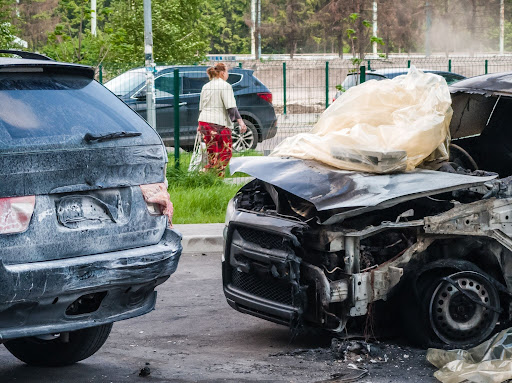
A crash often feels like a moment that ends the second the vehicles stop moving. People step out, assess damage, and assume the situation is over.
- The Scene Is Only The First Version Of The Story
- Police Reports Become The First Official Record
- Medical Records Turn Injuries Into Formal Evidence
- Insurance Files Begin Building A Separate Narrative
- Photos, Videos, And Digital Evidence Shape Interpretation
- Witness Statements Become Permanent Records
- How Documentation Can Strengthen Or Weaken A Case
- Closing Perspective
What follows, however, is a quieter phase that carries far more weight than most expect. Reports begin forming, statements get recorded, and small details start turning into official records that shape everything ahead. This shift is not visible at the scene, yet it controls how the entire case is understood later.
In many situations, it becomes important to speak with a car injury lawyer early so that every detail is handled with care from the start.
The Scene Is Only The First Version Of The Story
The first few minutes after a crash feel like the most important part of the event. Vehicles are stopped in unusual positions, people are reacting, and emotions are high. What everyone sees in that moment feels like the complete picture. But this version of the story is only temporary.
As soon as the scene clears, everything begins to change form. Details that seemed obvious start getting written down in different ways. Even simple observations can be described differently by each person involved. This is where the gap between memory and documentation begins to grow. Many people do not realize that what is seen at the scene is not what will ultimately define the case.
Police Reports Become The First Official Record
One of the first formal steps after a crash is the police report. Officers arrive and begin documenting what they observe. They note vehicle positions, road conditions, visible damage, and statements from those involved. This report often becomes the foundation of how the incident is later understood.
In many cases, small wording choices in these reports can influence interpretation. A single phrase can shape how fault or responsibility is viewed. Even though officers try to be accurate, they rely on quick observations and initial statements, which means details can sometimes be incomplete or simplified.
Medical Records Turn Injuries Into Formal Evidence
After the scene, medical attention becomes the next step in documentation. Hospitals and clinics create detailed records of injuries, symptoms, and treatment provided. These records are treated as reliable because they are created immediately after the incident.
Doctors focus on what is visible and what the patient reports at that time. This makes early medical notes very important in understanding the severity of injuries. If symptoms appear later, they are often compared with the initial records to check consistency.
Even small differences between early and later medical reports can affect how a case is viewed. That is why accurate and timely medical documentation plays such a strong role in the overall process.
Insurance Files Begin Building A Separate Narrative
At the same time, insurance companies begin their own version of documentation. Adjusters collect statements, review police reports, and analyze medical records. They also create internal notes that are not shared directly with the people involved.
This internal file becomes a structured version of the crash. Every detail is compared and organized to assess responsibility and potential payout. If there are gaps or inconsistencies, they may focus more attention on certain parts of the claim.
This is where early communication matters. Many individuals choose to speak with a car injury lawyer before giving detailed statements to ensure everything is presented clearly from the start.
Photos, Videos, And Digital Evidence Shape Interpretation
Visual evidence plays a strong role in how the crash is understood. Photos taken at the scene, dashcam recordings, and nearby surveillance footage help create a clearer picture of what happened.
Unlike memory, visual records do not change over time. They capture positions of vehicles, road conditions, and sometimes even the moments before impact. Because of this, they often become key reference points during review.
However, timing matters. Evidence collected early tends to be more useful because conditions at the scene can change quickly once vehicles are moved and traffic resumes.
Witness Statements Become Permanent Records
Witnesses also contribute to documentation. Their accounts are recorded soon after the incident while details are still fresh. These statements can support or clarify what happened.
Over time, however, memory can fade or shift slightly. This is why early statements are often given more weight than later recollections. Insurance companies and investigators compare these accounts with other records to identify consistency.
Even small differences between witness versions can influence how the event is reconstructed.
How Documentation Can Strengthen Or Weaken A Case
When all records align, the case becomes easier to understand. Police reports, medical notes, and witness statements working together create a clear structure. But when there are differences between them, questions arise.
These differences do not always mean something is wrong. They often reflect how quickly information is gathered after a stressful event. Still, they can affect how claims are processed and evaluated.
This is why careful attention to documentation from the beginning can make a significant difference later.
Closing Perspective
A crash may feel like it ends on the road, but its real structure forms afterward through records and reports. Every document adds another layer to how the event is understood. From police notes to medical files and insurance records, each piece shapes the final picture.
This is also why many people find it helpful to speak with a car injury lawyer early in the process, ensuring that nothing important is missed or misunderstood while the documentation is still being created.