

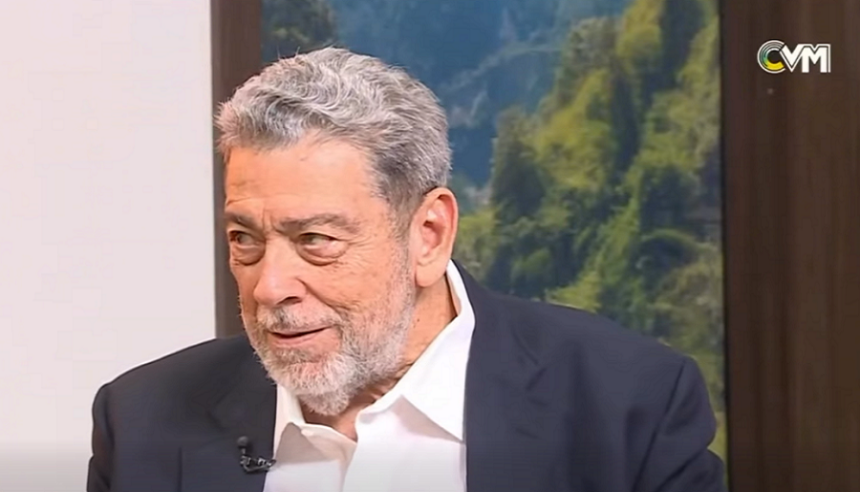
Former Caribbean leader Ralph Gonsalves is strongly pushing back against British and European narratives that dismiss reparations as an issue of the past, instead framing the compensation for native genocide and the enslavement of African people as a pressing, modern-day international human rights and justice issue.
Addressing the argument from European nations that the world should not “dwell in the past,” Gonsalves argued that “the present is the past” because impacted nations continue to live with the profound legacies of historical underdevelopment.

He emphasized that while the enslaved individuals who directly suffered are no longer alive, the destructive legacies of their enslavement remain fully present today.
When examining the practicalities of how reparations would be calculated and distributed, Gonsalves stated that compensation must be directed to the countries that suffered.
He explained that these reparations would be handled by “authoritative entities,” specifically the states and governments of the affected nations, and he expressed hope for a “mature conversation” to reach equitable conclusions.
Gonsalves acknowledged that quantifying the financial cost of centuries of slavery is complex, but he pointed to existing economic studies that have already calculated the damages.
Specifically, he cited the 2023 Brattle Report, which estimates the owed reparations at a staggering $23 trillion “with a T”.
He also noted that various individual scholars are researching these figures, referencing a recent book by United Kingdom professor Michael Banner that also deals with the quantification of these historical injustices.