


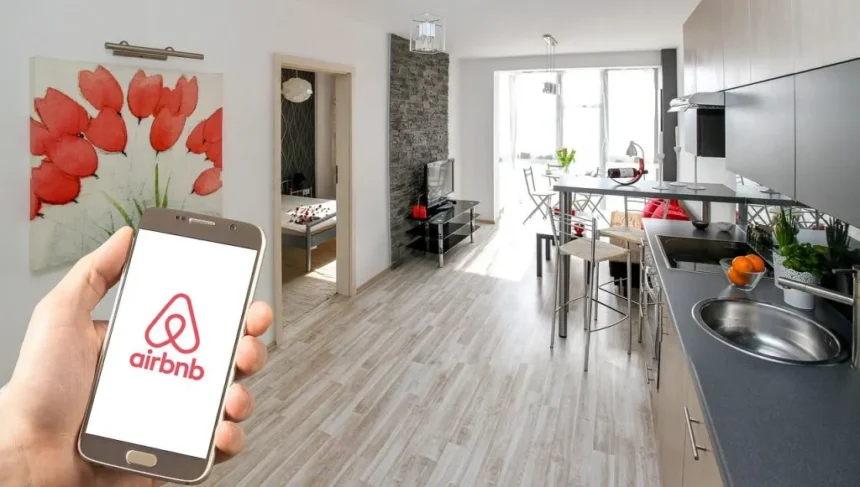
Caribbean hotel industry leaders are calling for an industry-wide regulatory overhaul, demanding that short-term rental platforms like Airbnb face the same taxation levels as traditional hotels. Simultaneously, the sector is fiercely opposing new commission practices introduced by Booking.com, warning the policy could strip the region of tens of millions of dollars annually.
Speaking on Wednesday, May 13, 2026, at the 44th Annual Caribbean Hotel and Tourism Association (CHTA) Caribbean Travel Marketplace in Antigua, CHTA President Sanovnik Destang outlined the urgent need for “fair play” across the accommodation sector.
“We are advocating that all sectors of the accommodation industry should be under the same tax rate,” Destang stated. “If the tax rate on hotels in a destination is 10 per cent, it should be the same for Airbnb. Everyone should make a fair contribution”.
Balancing the Tourism Ecosystem Despite the push for stricter oversight, Destang stressed that the CHTA is not attempting to eliminate short-term rentals, acknowledging that strong consumer demand has cemented platforms like Airbnb as a permanent part of the tourism ecosystem.
Instead, following a review of conditions across 14 Caribbean destinations, the association has proposed a balanced framework. This approach recommends mandatory registration and minimum operating standards for short-term rentals, while appropriately adjusting expectations for smaller operators. “We cannot expect a short-term rental with one or two rooms to operate like a large resort. That would not be realistic,” Destang noted.
The Battle Over Booking.com Commissions In addition to seeking a leveled playing field with short-term rentals, hoteliers are locked in a dispute over a controversial new policy from Booking.com. The online travel agency intends to begin charging commissions on government taxes collected by hotels, including Value Added Tax (VAT) and General Consumption Tax (GCT).
Destang heavily criticized the move, explaining that if the platform charges a 20 per cent commission on a $10 tax, a hotel is effectively forced to pay an extra $2 to Booking.com while still having to remit the full $10 tax to the local government. “That $10 is not Booking.com’s revenue. That is supposed to go to the government,” he argued.
This policy threatens to cause significant financial strain across the region. Destang warned that the practice could easily create “leakage in tens of millions of dollars” for the Caribbean, potentially costing even smaller, less-dependent hotels tens of thousands of dollars each year.
In response to these platform practices, regional leaders are beginning to take a hardline stance. Some Caribbean nations, such as Dominica, have already passed legislation making it illegal for platforms to charge commissions on government taxes.
“We’ve drawn a line in the sand and said that we’re not going to accept it,” Destang declared, signaling that Caribbean tourism leaders are adopting a significantly more aggressive approach to protecting regional revenues.