


The government of St. Vincent and the Grenadines insists that tackling the soaring cost of living is its “top priority,” but the rollout of its highly publicized National Cost-Of-Living Task Force (NCLTF) suggests officials are not treating the crisis with the seriousness it demands.
As the war in the Middle East rages on and energy prices skyrocket, the public is being fed bureaucratic delays and vague expectations of future action rather than immediate, tangible relief.
The NCLTF was ostensibly created to shield citizens from severe systemic threats, most notably the closure of the Strait of Hormuz, which has already sent Brent Crude oil prices surging to $110 per barrel and spiked shipping risk premiums.
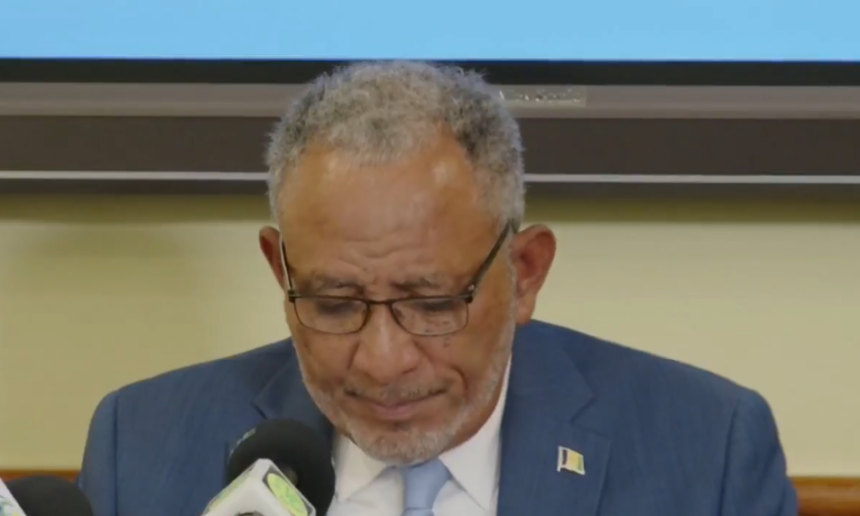
Yet, a closer look at the government’s timeline reveals a startling lack of urgency. While the Cabinet approved this initiative on March 25, 2026, Prime Minister Godwin Friday did not host the task force’s inaugural meeting until May 13, 2026, nearly two months later. Furthermore, despite the daily financial strain on citizens, the government has announced that this task force will only meet once per month.
Instead of delivering immediate relief, the government’s strategy is built entirely on non-committal expectations. Official communications are heavily padded with future-tense promises: the task force “aims to” tackle the root causes, “plans to” collaborate with CARICOM, and “will explore” every avenue.
The government claims it is abandoning a “reactive stance in favor of proactive intervention”, yet it paradoxically admits that the issue “went unaddressed for many years” and concedes that “there are no simple solutions”.For the population, this reliance on future expectations is dangerous.
As the Middle East conflict continues to destabilize the global energy market, everyday Vincentians are left vulnerable to soaring fuel and electricity costs. The government’s proposed energy solutions such as “advocating for enhanced energy cooperation” and “accelerating our transition to renewables” are long-term, structural changes that do nothing to put money back in people’s pockets today.
Rather than implementing swift price stabilization, the government has simply created a massive bureaucratic talking shop, pulling in multiple government ministries.
By substituting immediate economic intervention with a once-a-month committee dealing in future expectations, the administration is making one thing very clear up to this point, as global energy shocks hit the island, the only thing Vincentians should actually “expect” is to be left footing the bill while the government plans its next meeting.