
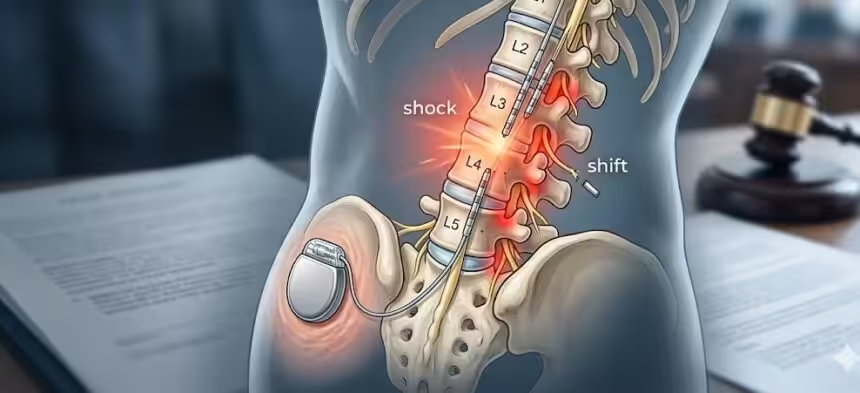
Spinal cord stimulator devices are commonly used for chronic pain treatment, but complications have increased scrutiny in defective medical device claims. More than 50,000 patients in the US receive implantation each year, with revision or replacement procedures occurring in up to 30% of cases due to device failure, persistent pain, or lead migration. Infection rates have been reported between 3 and 10%, depending on patient condition and surgical factors. In St Louis, Missouri, hospital systems track device-related complications and post-surgical infections through regional health reporting programs, reflecting broader statewide monitoring of medical injury trends involving complex implant procedures and patient recovery outcomes across care facilities.
Patients facing ongoing pain, malfunction, or complications often seek legal guidance to understand their options. A spinal cord stimulator lawyer reviews whether device defects, implantation errors, or inadequate warnings contributed to injury, especially when revision surgery or long-term symptoms occur. These cases rely on surgical records, imaging, and manufacturer data to establish liability. In St Louis, Missouri, claims involving implantable pain devices are evaluated alongside broader medical negligence patterns, particularly when infection, nerve damage, or device failure significantly affects recovery and quality of life after treatment.

Early Legal Review
After painful shocks, worsening leg symptoms, or another operation, most families concentrate on treatment choices, sleep loss, transportation, and household strain. During that uncertain period, a competent lawyer may review implant dates, operative reports, device identifiers, follow-up notes, and safety warnings to judge whether the medical record supports a product claim. This first assessment can also show whether harm followed one failure or a longer pattern involving repeated setbacks.
Device Problems That Raise Concern
Certain events deserve closer legal attention. Leads may slip from position, batteries can lose function, or electrical output may become erratic. Some patients describe burning, stabbing jolts, fever, drainage, or new weakness after implantation. Others need removal far sooner than expected. Such outcomes may disturb gait, sleep continuity, work capacity, household activity, and ongoing pain management.
Warning Signs In Records
Medical records often show where the story changed. Operative notes, follow-up visits, imaging studies, and pain scores may reveal a clear shift in sensation or physical function. Medication history matters, too, especially if stronger analgesics were prescribed after device trouble began. Billing files help because they place procedures, emergency visits, and out-of-pocket spending into one dated sequence.
A Strong Timeline Matters
Sequence often determines whether a claim looks credible. The implant date, first complaint, urgent call, revision procedure, and any explant should appear in the relevant order. Missed workdays and home assistance needs belong on that same list. A careful chronology helps separate device-related injury from preexisting spinal disease, peripheral neuropathy, or another condition affecting the same area.
Financial Losses Add Weight
Objective losses often strengthen a case. Hospital charges, imaging fees, travel for specialist care, lost wages, and reduced earning ability may all matter. Some households also pay for child supervision, meal preparation, or physical help at home. When those costs are computed and gathered early, the practical burden becomes easier to measure and explain during legal review.
Prior Revisions Matter
A prior revision does not weaken every claim. In some situations, it reinforces the medical picture by showing that repeated correction was needed. Surgeons may reposition leads, replace hardware, or remove malfunctioning parts. If severe pain, tingling, or weakness continued after such efforts, that pattern may reasonably support the view that the product failed.
What Lawyers Usually Examine
Lawyers usually begin with a few grounded questions.
- Which model was implanted, and when did symptoms shift?
- What did treating physicians record after the first complaint?
- Was infection suspected, was imaging ordered, and was removal discussed promptly or delayed?
The answers (to these questions) help distinguish expected post-surgical soreness from a device problem that may support litigation based on documented medical evidence.
Damages Beyond Hospital Bills
Some injury effects never appear on invoices. Broken sleep, shorter walking tolerance, missed family gatherings, sexual dysfunction, and fear of another surgery can alter daily living for months. A legal claim may include those losses if treatment notes, witness statements, and symptom journals support them. Concrete examples usually carry more weight than broad descriptions of distress.
Why Delay Can Hurt
Waiting can weaken a case in several ways. Imaging may become harder to obtain, packaging can disappear, and memory gaps may blur the order of symptoms, calls, and appointments. Filing deadlines also differ by state, which makes timely review sensible. Early action does not require immediate litigation, but it helps preserve options while the evidence remains easier to confirm.
Questions That Help a Review
Families can make a consultation more useful by gathering core materials first. Helpful items include the following:
- The implant card
- Discharge papers
- Imaging reports
- Insurance summaries
- A brief symptom diary
Dates should be checked carefully. Names of surgeons, hospitals, pain specialists, and manufacturers should be written down as well. Organized records often improve the quality of early case evaluation.
Cases With Multiple Causes
Some injuries stem from more than one medical issue. A person may live with chronic lumbar pain before surgery, then develop a separate hardware problem later. Such an overlap does not end the inquiry. Legal review can sort out which losses appear linked to the underlying condition and which seem connected to implantation, revision, infection, migration, or removal.
Conclusion
Consulting counsel makes sense when a spinal cord stimulator appears connected to worsening pain, repeat surgery, infection, reduced mobility, or mounting financial strain. A timely review can protect evidence, clarify causation, and estimate damages with greater precision. Families do not need every answer before seeking guidance, but they do need records, dates, and a clear symptom history. Those basics often determine whether a claim rests on solid medical facts.