
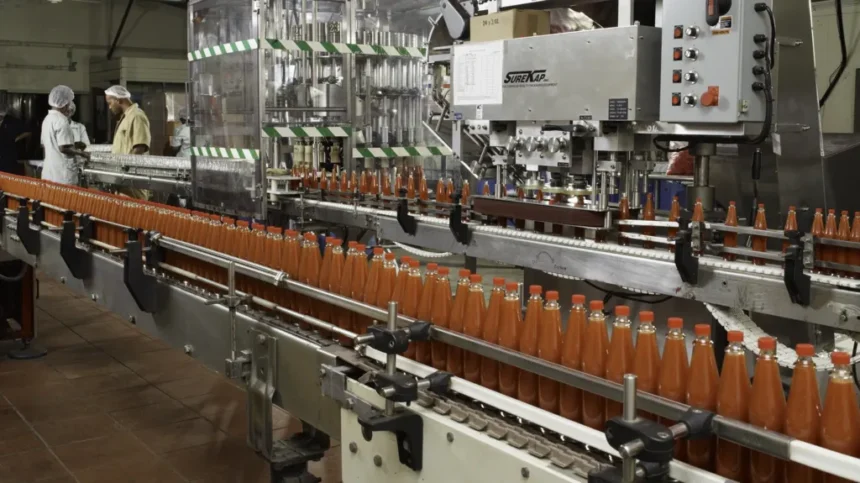
The beloved fiery condiment that graces dining tables across the Caribbean is under severe threat. A critical shortage of Scotch bonnet peppers driven by devastating hurricanes, diseases, and pests—is crippling supply chains and sending costs soaring for regional hot sauce producers.
Hot pepper sauce is an essential staple in Caribbean cuisine, used as widely and frequently as ketchup is in the United States, accompanying everything from curries to rice and peas. Beyond regional consumption, international demand has surged, with Caribbean brands now lining the shelves of global retail giants like Walmart in the US, Tesco in the UK, and Woolworths in Australia.
At the heart of this supply crisis is the temperamental yellow Scotch bonnet pepper. These small fruits are highly sensitive to heavy rain, fungi, and pests like gall midges. However, the most devastating agricultural blows have come from extreme weather. Jamaica, a primary producer of the pepper, was recently battered by back-to-back catastrophic storms: Hurricane Beryl and the historic Hurricane Melissa. “Climate change is affecting the Caribbean the hardest,” explained Drew Gray of Gray’s Pepper, noting that the consecutive hurricanes wiped out a significant portion of the region’s crop.
This severe scarcity has triggered a dramatic spike in operational costs. Following Hurricane Melissa, Scotch bonnet prices skyrocketed by as much as 10-fold, contributing to a 40-50% overall price increase over the last two years. Consequently, weary farmers are becoming hesitant to replant the risky crop, with many pivoting to hardier, more reliably lucrative alternatives like sweet potatoes. Major producers, such as Walkerswood—which exports over 95% of its products globally—have even been forced to cancel orders due to the limited produce. The heavy rains not only limit the quantity of the crop but also the quality; Walkerswood reports that excessive water can diminish the fierce heat that fans of their sauces expect.
To navigate the volatile agricultural market, manufacturers are adopting aggressive survival strategies. Companies like Gray’s Pepper and Antigua’s Homebrew Hot Sauce are mitigating risks by maintaining massive stockpiles of inventory—sometimes holding up to six months’ worth of peppers or hundreds of pounds in storage—which strains cash flow but allows them to weather the literal and economic storms. “At the end of the day, the big chain stores don’t care if you have a hurricane, they just want the product,” Gray noted.
Meanwhile, other producers and officials are turning to agricultural innovation and alternative ingredients to keep production lines moving. In Antigua, producer Granma Aki has started incorporating locally grown Moruga scorpion peppers, native to Trinidad, to bypass the high prices of Scotch bonnets entirely. The Jamaican government is actively intervening by supplying Scotch bonnet seeds to 650 growers to help the industry recover. Walkerswood has taken structural steps to protect their supply; through a government partnership, the company is funding genetics research to develop a resilient, disease-resistant strain of the classic yellow Scotch bonnet to secure the future of the iconic pepper and their world-famous sauce.