
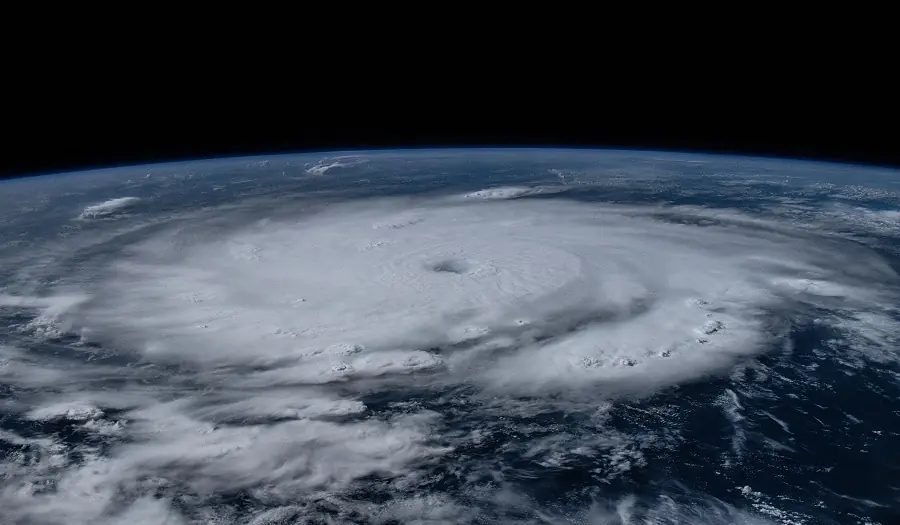
The National Emergency Management Organisation (NEMO) hosted its 2026 Hurricane/Wet Season National Climate Outlook Forum on June 1, 2026, at the NIS Conference Room. The gathering aimed to review seasonal climate forecasts and bolster national preparedness efforts ahead of the upcoming severe weather season.
During the event, stakeholders examined anticipated rainfall patterns, tropical cyclone activity, and other weather hazards expected to impact St. Vincent and the Grenadines. A central theme of the forum was that weather and climate forecasts are most valuable when transformed into actionable information that aids in early planning, decision-making, and community resilience.
Dr. Rochelle Campbell, a Climate Risk and Impact-Based Early Warning Systems Specialist at the Hydrologic Research Center, presented on the necessity of tailoring climate data specifically for decision-makers. She pointed out that while climate information is widely accessible today, the primary challenge is ensuring it is correctly interpreted and applied to trigger timely action. Dr. Campbell stressed that reducing disaster risks depends just as much on the capacity of leaders to act during high-pressure situations as it does on having reliable data. Furthermore, she highlighted that three-to-five-day forecasts are particularly vital, as they align closely with the operational planning needs of emergency management agencies across Caribbean communities.
Adding to this perspective, Elizabeth Riley, Executive Director of the Caribbean Disaster Emergency Management Agency (CDEMA), emphasized the critical role that these national forums play. She noted that such events are essential for translating broader regional seasonal forecasts into practical, location-specific guidance. This localized translation ensures that countries like St. Vincent and the Grenadines can effectively implement their localized disaster preparedness and response measures.