


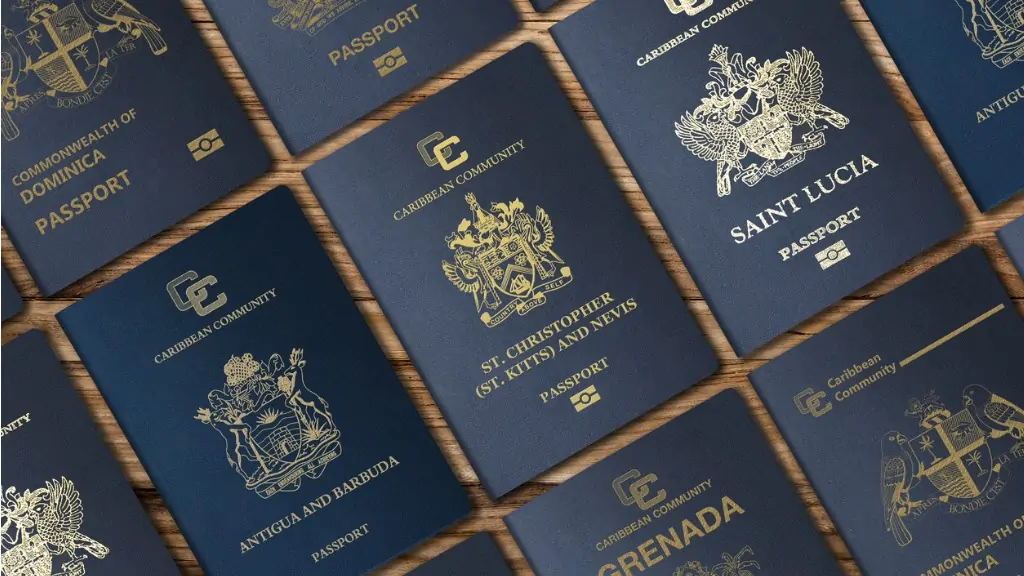
Effective June 15, 2026, Ireland will enforce new visa requirements for all nationals of Saint Kitts and Nevis, Saint Lucia, and Nicaragua. This sweeping policy change covers ordinary, diplomatic, and service passports, and will also require travelers passing through Ireland en route to another destination to obtain a transit visa. The Department of Justice, Home Affairs and Migration announced the measure on June 11, with Minister for Migration Colm Brophy describing the decision as a necessary step to align Ireland’s immigration approach with the United Kingdom and the rest of Europe.
The move is heavily driven by Ireland’s participation in the Common Travel Area (CTA) with the UK, which allows for passport-free movement between the two countries. Because individuals can cross the border without routine immigration checks, any gap in one country’s visa security effectively becomes a vulnerability for the other. Earlier this year, in March 2026, the UK removed Nicaragua and Saint Lucia from its Electronic Travel Authorization (ETA) list, citing rising asylum claims and security concerns associated with Saint Lucia’s Citizenship by Investment (CBI) program. Ireland is tracking this British visa policy but has gone a step further by also withdrawing visa-free access from Saint Kitts and Nevis, a country whose citizens still currently enjoy visa-free entry to both the UK and the Schengen Area.
Nationals of the three affected countries who booked their travel prior to June 15 and are scheduled to arrive in Ireland by July 14, 2026, may still enter without a visa. To qualify for this temporary exemption, passengers must present valid passports along with documentary proof from their carrier that clearly shows the booking date, passenger name, flight number, and date of travel. Travelers who already hold a valid Irish Residence Permit (IRP) will not be required to obtain a separate visa.
In late 2025, the European Union explicitly reformed its visa suspension mechanism, establishing the operation of investor citizenship programs as grounds for suspending visa-free travel. A subsequent European Commission report singled out Eastern Caribbean CBI states, including Saint Kitts and Nevis and Saint Lucia, criticizing their fast processing times, low rejection rates, and high volume of passport issuance. While passports from Saint Kitts and Saint Lucia still grant visa-free access to over 140 global destinations, the value of these documents is contracting as Western nations, including the US, UK, and EU member states, increasingly withdraw mobility privilege.