


Following a historic United Nations resolution, leaders from across Africa and the Caribbean gathered in Accra for a three-day conference aimed at advancing the global campaign for reparatory justice regarding the transatlantic slave trade.
The summit arrives on the heels of a UN resolution—championed by Ghanaian President John Mahama—that officially declared the transatlantic slave trade “the gravest crime against humanity”. While the resolution is non-binding, it secured the support of 123 UN member states and urges nations involved in the slave trade to engage in both “restitution” and “compensation”.
Ghanaian Foreign Minister Samuel Ablakwa addressed the hundreds of delegates, stating that the reparations movement has gained “unprecedented momentum”. Ablakwa framed the struggle as the next major historical hurdle, declaring, “We won the battle against slavery, we won the battle against colonialism, we won the battle against apartheid, and we are confident that we shall win the battle against reparatory injustice”.
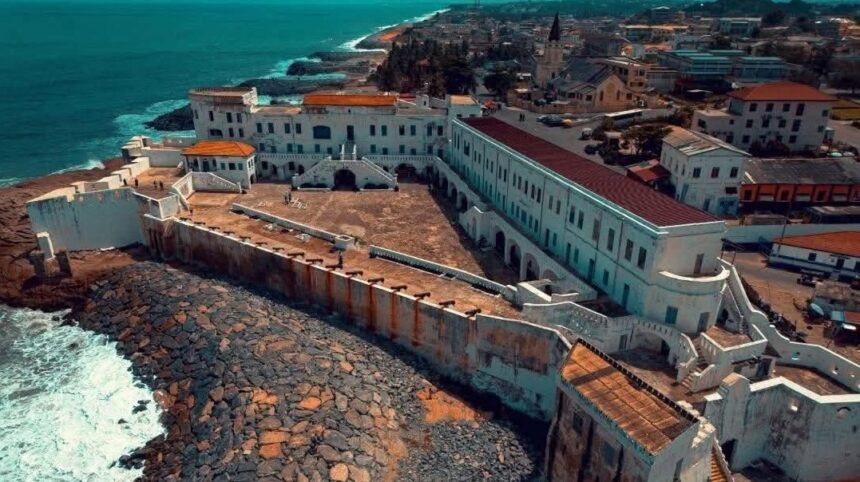
Once a central hub of the transatlantic slave trade, Ghana is actively repositioning itself. The nation is “transitioning from being a crime scene to a sanctuary for healing and reparative justice,” having already granted citizenship to more than 1,000 people from the diaspora in recent years.
To move the conversation toward concrete action, President Mahama announced the formation of three dedicated working panels: an advisory panel led by heads of state, an expert group focused on restitution, and a committee examining the legal frameworks of reparations.
“The question before us is not whether history can be changed — it cannot — but whether we have the courage to confront it honestly and the determination to turn recognition into meaningful action,” Mahama told the assembly.
The conference drew prominent international responses. French President Emmanuel Macron, representing the nation that was historically the third-largest European slave trader, addressed the conference via video. Macron has endorsed the symbolic repeal of royal decrees that governed slavery in French colonies and agreed the issue of reparations must be addressed. However, he cautioned against “false promises” and argued that history cannot be “reduced to a merely financial logic”. Meanwhile, Pope Leo XIV recently issued an apology for the Catholic Church’s centuries-long delay in condemning the slave trade, referring to it as “a wound in Christian memory”.
The roster of speakers at the Accra conference included heads of state from Barbados, Sierra Leone, Senegal, Namibia, and Liberia, as well as Nigerian Nobel laureate and rights activist Wole Soyinka. Soyinka argued that the push for reparations “must go beyond symbolism”.
“It is not merely about apology or compensation — it is about the rehumanisation of memory and the restoration of values that were distorted by centuries of dehumanisation,” Soyinka said. He also issued a stark warning to attendees not to seek historical justice while ignoring present-day human rights failures on the continent, specifically citing the ongoing crisis of children being kidnapped for ransom.
As for what practical reparations would look like, the demands are multifaceted. According to Mariam Abdoulaye, a conference participant from Burkina Faso, Africa’s expectations from former colonial powers include the establishment of structured compensation funds for governments or communities, sweeping debt cancellation or restructuring, and the immediate return of looted historical artefacts.