


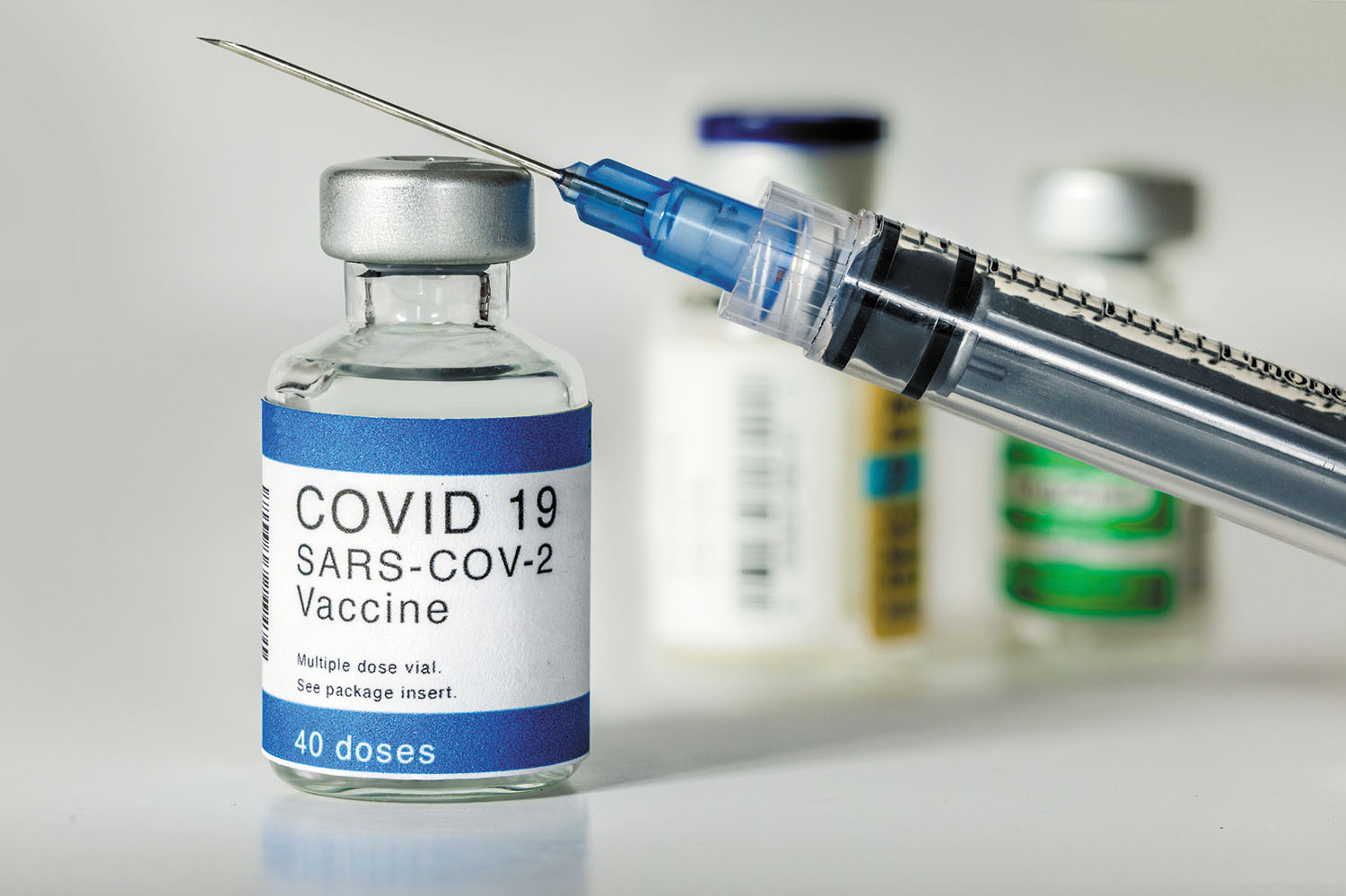
In what appears to be a landmark legal battle, a woman has filed a lawsuit against the Government of Barbados, claiming she developed severe and debilitating health complications after receiving the AstraZeneca COVID-19 vaccine in 2021. The lawsuit, currently at the case management level before the Supreme Court, is believed to be the first of its kind in the nation.
Represented by veteran constitutional attorney King’s Counsel Larry Smith, the claimant has named the Attorney General as the defendant. The lawsuit alleges that the government, through the Ministry of Health and Wellness’s national vaccination programme, is liable for her injuries after administering a “defective” product. The claimant argues that the government failed to provide a vaccine that was as safe as consumers are entitled to expect under the Consumer Protection Act.
According to court filings, the woman received her first dose of the AstraZeneca vaccine around April 23, 2021, and her second dose in June 2021. Two months later, she reportedly developed a “swollen bruise” and severe pain below her right knee. Her condition worsened to include spreading body bruises, severe chest pain, shortness of breath, and declining energy levels, ultimately leading to her being placed on sick leave.
Following assessments by the Pharmacovigilance Team of the Barbados Drug Service and blood testing at the Barbados Reference Laboratory, medical officials concluded she was experiencing vaccine-induced blood clotting side effects. The final medical assessment described her condition as a “suspected case of vasculitis” directly following the June 2021 administration of the vaccine.
Despite her diagnosis, the woman claims she was left without government support. Between January 2022 and July 2023, she wrote five letters to the defendant regarding the government’s liability for her injuries, but received no “substantive reply”. The Prime Minister’s Office did acknowledge her correspondence in early 2022, advising that her case had been forwarded to the Chief Medical Officer and noting that broad mechanisms had been established to respond to victims of severe side effects. However, the claimant alleges she received no tangible relief or further updates after these initial emails.
After a pre-action letter seeking compensation went unanswered, the woman’s legal team filed the lawsuit alleging deep-seated negligence. The claim accuses the government of failing to provide a reasonable standard of care, neglecting to offer mechanisms to support citizens suffering from severe vaccination complications, and failing to remedy her specific situation.
The claimant, who previously lived an “active life” and was in good health before the incident, states she continues to suffer from blood-clotting issues, breathing difficulties, and fatigue that have severely impacted her ability to work. She is seeking general damages for pain, suffering, and loss of amenities, alongside special damages for loss of earnings, legal costs, and a six per cent annual interest.