

The Government of St. Vincent and the Grenadines is currently managing a net liability of approximately $11.85 million to fuel suppliers Sol EC and Rubis, as it continues to subsidize energy costs amid volatile international prices.
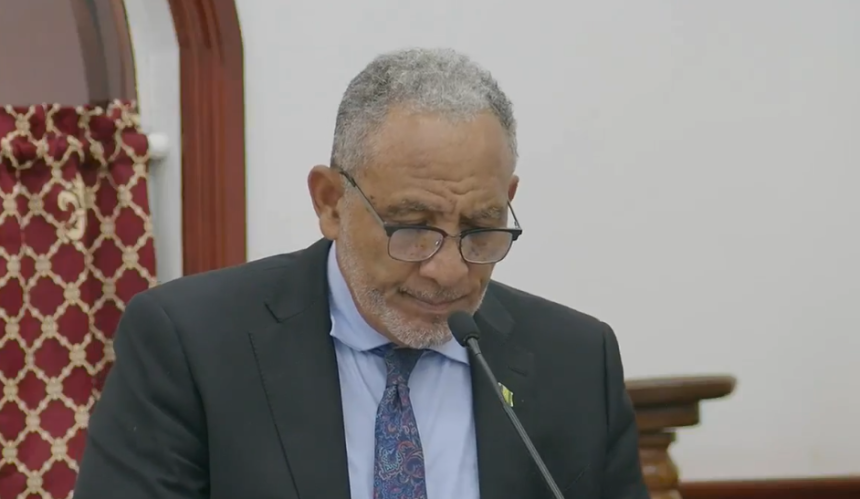
During a recent parliamentary session, the Prime Minister and Minister of Finance provided a detailed breakdown of the nation’s “bonus-malus” mechanism, a long-standing arrangement used to mitigate the impact of global fuel price fluctuations on local consumers.
Under this system, the government sets a retail price; if the actual “price build-up” (landed cost plus margins) is lower than the set price, the companies pay a “bonus” to the government. Conversely, if international costs exceed the government-set price, the difference becomes a “malus”—a debt the government owes the companies to keep prices stable at the pump.
The Prime Minister revealed that the fiscal impact of these subsidies varied significantly between the two primary importers as of April 30, 2026:
Sol EC: The government’s liability to Sol has climbed sharply. Starting with a debt of 6.39 million at the end of 2025 and a continuous malus system through the first four months of 2026 to a total of $15,022,621.67
Rubis West Indies: The situation with Rubis remains in a credit position for the state, though that cushion is rapidly eroding. Rubis began the year owing the government $6.68 million. After a small bonus in January followed by significant “malus” amounts in February, March, and April (peaking at 2.75 million in April alone.
Credit from Rubis: EC $3,168,551.22 (Amount payable to the government).
The Prime Minister characterized the $11.85 million liability as money the government has “effectively been holding the price down” to shield the public and businesses from “onorous” costs. He specifically cited the “war in the Gulf” as the primary driver of the dramatic and volatile increase in international oil prices.
While the government has passed on a portion of these increases to consumers, it has chosen to absorb a significant share to prevent extreme hardship. However, the Prime Minister warned that the government’s ability to “absorb increases indefinitely” is under pressure as the conflict continues.
In addition to the bonus-malus system, the government highlighted other temporary measures taken to blunt inflation, including 50% tax reductions on gasoline and diesel, which result in per-gallon subsidies of approximately $1.90 and $1.39, respectively. Taxes on LPG (cooking gas) and diesel used by the state utility, VinLEC, have also been removed in full to provide a “much-needed cushion for households”.