

The Government of St. Vincent and the Grenadines has confirmed that it has not conducted a formal assessment to scientifically measure how rising inflation is specifically affecting low-income households.
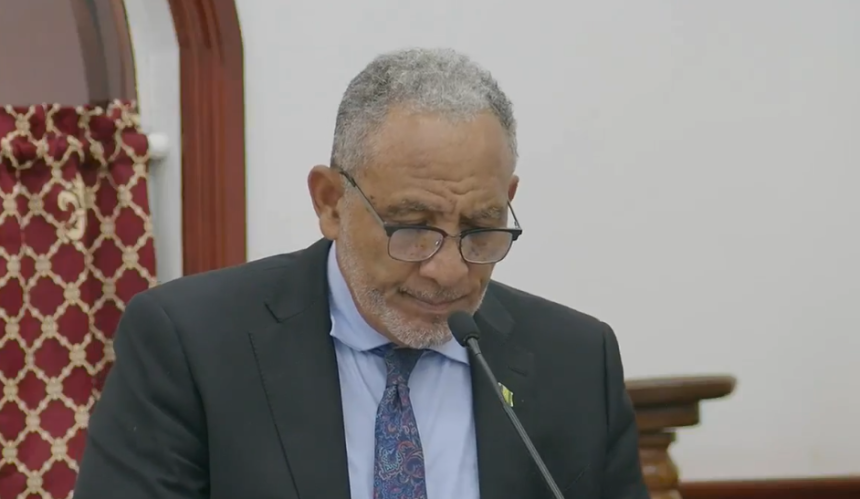
In response to a direct parliamentary inquiry regarding whether a recent assessment had been undertaken, the Prime Minister provided a “short answer” of no, though he argued that the administration remains “acutely aware and sensitive” to the financial pressures facing the most vulnerable. “You don’t always need a thermometer to know it’s hot,” the Prime Minister stated, suggesting that the government recognizes the impact of rising prices through observation rather than formal study.
Despite the lack of a specific report, the Prime Minister outlined several strategic interventions aimed at cushioning the blow of global price hikes, which he attributed largely to fuel price disruptions and international conflict. Key relief measures highlighted include:
- Social Assistance Increases: Public assistance has been raised to $500, and a $40 monthly top-up for NIS minimum pensioners was extended from March to September 2026.
- Fuel and Utility Subsidies: The government implemented 50% tax reductions on gasoline and diesel, resulting in per-gallon subsidies of approximately $1.90 and $1.39, respectively. Additionally, taxes on LPG (cooking gas) and diesel used by VinLEC were removed in full to lower household utility costs.
- Direct Financial Support: Salary bonuses were paid to all public servants and pensioners in December 2025, including part-time and daily paid workers.
- Market Interventions: A VAT-free shopping day was held on December 19, and the government has benchmarked freight costs to January 2026 levels to prevent import costs from being fully passed on to consumers.
Opposition members challenged the government’s approach, questioning how the adequacy of social protection programs could be determined in a “scientific and measured way” without a formal assessment. The Speaker of the House ultimately ruled further debate on the “adequacy” of these programs as outside the scope of the original parliamentary question.
The Prime Minister noted that while current inflation measured by the Consumer Price Index (CPI) remains relatively low at around 1%, it is expected to trend upward as the year progresses. He emphasized that the government continues to monitor the situation to protect the most vulnerable while urging citizens to conserve and adjust personal spending where possible during these “not normal times”.