
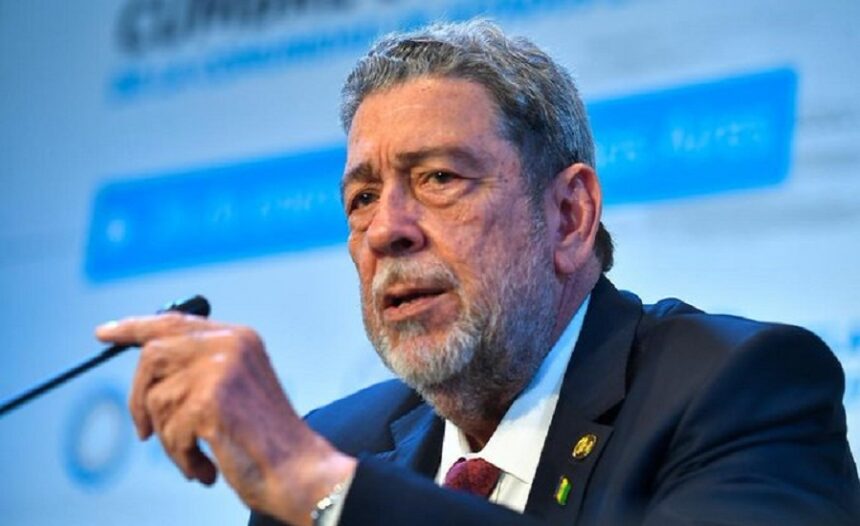
Ralph Gonsalves characterizes the current state of the country as being enveloped in a “fiscal and economic crisis” that is causing significant suffering and hardship for the population.
He defines this crisis as a condition where the government is “innocent of the extent of the condition” and lacks any clear “idea as to the way forward,” choosing instead to focus on scoring political points.
Regarding social welfare, Gonsalves argues that the current government has significantly reduced support for the vulnerable and politicized the distribution of state resources:
- Reduction in Direct Assistance: He asserts that “social welfare ain’t helping in the way in which we used to help”. He claims that ordinary citizens—specifically those who are poor, marginalized, or vulnerable—are being denied requests for help across government services.
- Education and Scholarships: Gonsalves highlights a shift in educational support, noting that individuals seeking to attend teachers’ college are now being told to “take a loan” rather than receiving the state assistance previously available. He contrasts this with his administration’s record of providing full scholarships for first and master’s degrees, a practice he claims is being “reversed”.
- Politicization of Aid: A major point of his analysis is the transition of welfare and employment functions from state agencies to political constituency offices. He notes that these offices are selectively entertaining limited numbers of people (e.g., the first 50) for assistance, which he views as a move to handle state business as a political enterprise.
- Employment as Welfare: He critiques the management of “road work” cleaning, which traditionally provides income for families before the school year begins. He claims that instead of being managed by the state agency BRAGSA, the hiring is being done through constituency offices, effectively “selecting them politically” rather than through professional public service channels.
Gonsalves says that while people are “catching the N” (experiencing hardship), the government is failing to engage with the external world in an “efficacious manner” to improve the country’s fiscal standing.