
Physical Education (PE) is an essential part of the curriculum in St. Vincent and the Grenadines, yet there is an important question that educators, school leaders, and policymakers should be asking: Are we doing enough to ensure that our children receive a well-rounded Physical Education?
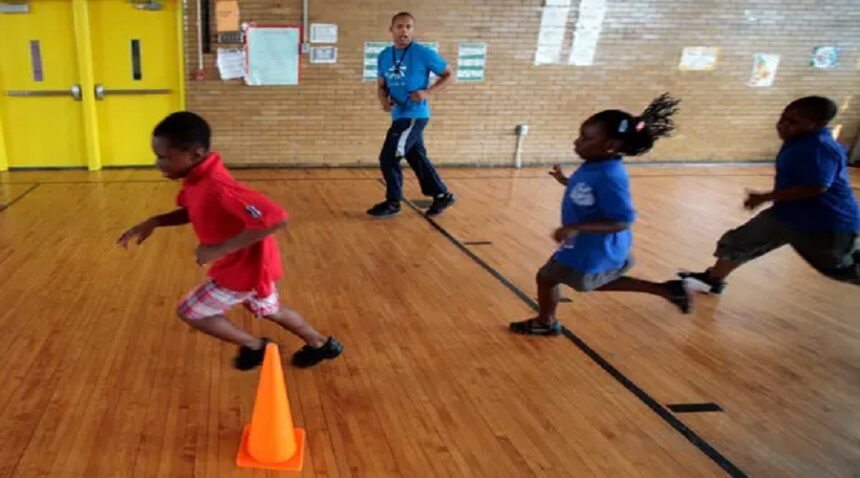
School leaders continue to emphasize the importance of Physical Education as part of every child’s academic development. However, while PE is recognized as a curriculum subject, many lessons remain focused primarily on games and physical exercise. Although these activities are valuable, they represent only one aspect of what Physical Education should offer.
I believe that the theoretical component of Physical Education deserves equal attention and should be introduced progressively at the appropriate primary grade levels. Children should not only learn how to participate in sports and physical activities but also understand why physical activity is important.
Physical Education should include theoretical lessons that expose students to sports history, local, regional, and international athletes, major competitions such as the Olympics and Commonwealth Games, the rules and origins of various sports, health and fitness, and career opportunities in sports. Also, Physical Education should include healthy lifestyles, the human body, nutrition, personal fitness, teamwork, sportsmanship, safety, sports personnel and the benefits of lifelong physical activity.
To achieve this, I am calling for the Ministry of Education to develop and implement a structured Physical Education syllabus for primary schools in St. Vincent and the Grenadines. Such a syllabus would provide PE teachers with clear guidance on both the practical and theoretical components of the subject, ensuring consistency across schools while supporting meaningful learning outcomes.
Physical Education should be regarded as an academic discipline, not simply a break from classroom instruction. A balanced programme that combines theory with practical application would better prepare students to make informed decisions about their health and well-being throughout their lives and gain better performance at the secondary school level.
I encourage our Physical Education teachers in the primary school setting to stop and think how PE is delivered. Let us move beyond games and exercise alone and provide our children with the knowledge, skills, and understanding they need to develop healthy, active, and informed lifestyles.
The future of Physical Education lies not only in developing stronger bodies but also in nurturing knowledgeable minds. Now is the time to strengthen PE education so that every child in St. Vincent and the Grenadines benefits from a curriculum that truly supports lifelong health, learning, and success.