

Two years after the devastation of Hurricane Beryl, recovery efforts are reaching a critical milestone through the Recovery and Resilience Project.
This initiative, a collaboration between the government of St. Vincent and the Grenadines and a private developer, is focused on securing the island’s future by addressing hazardous waste and expanding critical infrastructure.
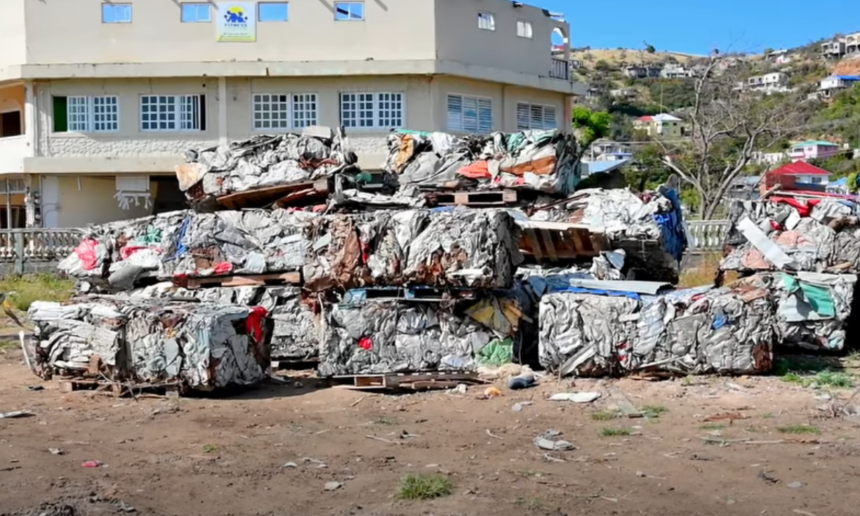
A primary goal of the project is the removal of “loose materials” from the environment that could become dangerous projectiles during future storms. Crews are currently collecting galvanized metal, old refrigerators, stoves, and other metal appliances from across the island.
Residents have been encouraged to bring these items to the roadside, where trucks collect them for transport to a central site to be crushed and condensed. This process not only addresses a significant waste disposal problem but also ensures a much smaller environmental footprint.
The project has also seen the grading and expansion of Bequia’s primary dump site. This expansion is vital because the island lacks alternative locations for waste disposal. Officials estimate that these improvements will extend the life of the dump by 15 to 30 years, providing a long-term solution for the island’s waste needs.
Beyond the practical benefits, the project is credited with tremendously improving the aesthetics and environmental acceptability of the area.
While the expansion is a major step forward, officials emphasize that the community must continue to focus on reducing waste production and increasing reuse efforts. Organizations like Action Bequia are already contributing to this goal by managing plastic waste.
The resilience efforts are not limited to waste management. Officials revealed that the project will also include the complete rebuilding of the police station in Port Elizabeth, aiming to improve the quality of life and safety for all residents of the Grenadines.
There is hope that the success of the Bequia model can eventually be scaled to reach the mainland and Central Kingstown. For now, the focus remains on permanent disposal solutions for the collected waste and continued preparation for future weather events.
