

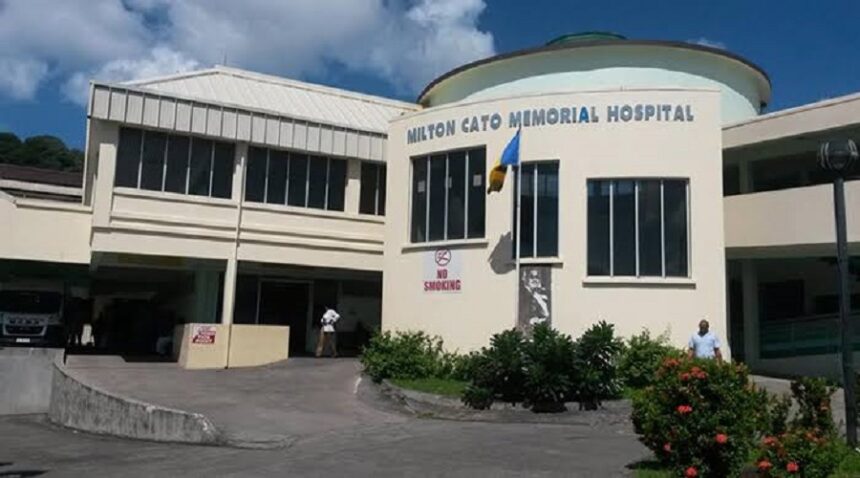
A recent press release from the Ministry of Health, Wellness, Environmental Health and Energy (MOHWEE) has sparked concern and a flurry of unanswered questions regarding the safety of the nation’s primary healthcare facility.
While the Ministry has officially detected a highly drug-resistant bacterium at the Milton Cato Memorial Hospital (MCMH), the details provided have left the public seeking clarity on the actual level of risk and the origin of the “superbug”.
The Ministry confirmed that four patients with wounds were identified as carrying Carbapenem-Resistant Acinetobacter baumannii (CRAB). This specific strain is particularly alarming because it carries the NDM (New Delhi metallo-β-lactamase) resistance mechanism, an enzyme that allows the bacteria to break down even the most powerful antibiotics, such as carbapenems.
One of the most pressing questions for the public is the source of the infection. The press release notes that these cases were “identified at” the hospital during routine surveillance, but it fails to specify whether these patients contracted the bacteria within the hospital (a healthcare-associated infection) or if they brought it in from the community.
Because Acinetobacter baumannii is known to specifically target people who are “very sick or hospitalized,” the distinction is critical. If the bacteria originated within the hospital wards, it suggests a potential breach in existing sanitation protocols. If it came from the community, it indicates a much wider environmental presence of drug-resistant organisms than previously known.
The Ministry has been quick to state that the detection of these cases “does not mean that members of the general public are at immediate risk”. However, this assurance stands in direct contrast to one of the primary measures being undertaken: contact tracing.
The public is left to wonder: If there is no immediate risk to the general public, why is contact tracing necessary? Contact tracing is typically reserved for infectious agents that have the potential to spread between individuals. The inclusion of this measure suggests that health officials are concerned about the movement of the bacteria beyond the initial four patients, potentially involving healthcare workers, other patients, or even visitors who have since left the facility.
The severity of the situation is further highlighted by the Ministry’s decision to impose restrictions on elective surgeries. This drastic step, alongside “environmental and equipment cleaning and sanitation,” implies that officials cannot yet guarantee that the surgical environment is free from contamination.
Furthermore, the Ministry is currently reviewing “possible epidemiological links between the cases”. This leads to further speculation:
Did all four patients share a specific ward or medical team?
Was there a single piece of contaminated equipment used across these cases?
How long has this bacterium been present in the facility before being detected by routine surveillance?
While the Ministry emphasizes that its surveillance systems are working as intended to identify “unusual patterns early,” the lack of specific data regarding the status of the four infected patients and the exact locations within the hospital affected continues to fuel public anxiety.
As the MOHWEE continues to monitor the situation and implement “enhanced Infection Prevention and Control (IPC) practices,” the citizens of St. Vincent and the Grenadines are waiting for more than just reassurances—they are waiting for hard facts about the safety of their healthcare system.
