
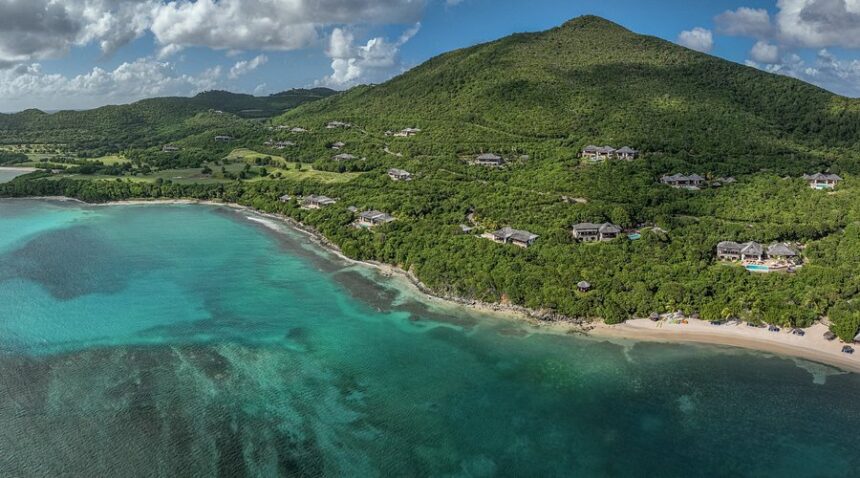
Canouan Estate is currently the subject of mounting allegations concerning systemic labor misconduct and the purported erosion of industrial relations standards.
The move is now signals a significant escalation in tensions between management and the workforce; employees are moving to formally petitioned the Government of Saint Vincent and the Grenadines to launch a comprehensive investigation into the Canouan Group’s operations. The workforce maintains that a lack of executive oversight has fostered an environment where labor compliance has faltered, prompting urgent calls for regulatory intervention to safeguard statutory entitlements.
A primary point of contention involves a dispute over unpaid remuneration. Staff have asserted that the company is currently withholding approximately 15 days of pay, a claim that suggests a potential breach of contractual obligations.
The gravity of these financial allegations is underscored by reports that the national Labour Department has already conducted a site visit to the estate. This development indicates that the matter has moved beyond a routine internal grievance and is now viewed as a state-level concern regarding the estate’s adherence to national labor laws.
The conflict has further intensified over the reclassification of working hours and mandated rest periods. Personnel were reportedly transitioned from a standard 8:00 AM to 4:00 PM schedule to an 8:00 AM to 5:00 PM shift, representing a six-hour increase in the weekly workload across a six-day workweek.
While management originally granted employees two days off in recognition of this increased labor output, the company has reportedly begun to rebrand the second day as a “courtesy” rather than a hard-earned entitlement. Employees contend that this rebranding is a strategic precursor to rescinding the benefit, which they view as essential compensation for their extended hours.
This friction extends to the estate’s vacation policies, where a new pattern of encroachment upon regular rest days has been alleged.
According to internal reports, when a staff member utilizes their vacation entitlement, the company purportedly allows only one of their two regular days off to remain intact; the second day off is reportedly deducted from the employee’s accrued vacation bank. This policy has generated significant frustration and uncertainty, with workers maintaining that their legitimate time off is being systematically undermined by current management directives.
Beyond specific compensation disputes, the broader workplace culture at Canouan Estate has been characterized by staff as “toxic and intimidating.”
Personnel have claimed that a pervasive fear of retaliation effectively silences those who wish to raise legitimate concerns regarding management decisions or workplace safety. Many employees have maintained that they are significantly underpaid relative to the heightening responsibilities and rigorous workloads imposed upon them, yet they feel professionally paralyzed by the threat of negative consequences for speaking out.
As these allegations of neglect and misconduct gain visibility, the demand for accountability continues to grow.
The workforce has emphasized that their request for an independent investigation by the relevant labor authorities is not just a dispute over scheduling, but a fundamental pursuit of fair treatment and professional respect.
Given the estate’s status as a prominent destination within the nation’s vital hospitality sector, there is a substantial public interest in ensuring transparency and the protection of worker rights. The outcome of any potential government inquiry will be viewed as a critical bellwether for labor standards and corporate governance within the country’s luxury tourism industry.