
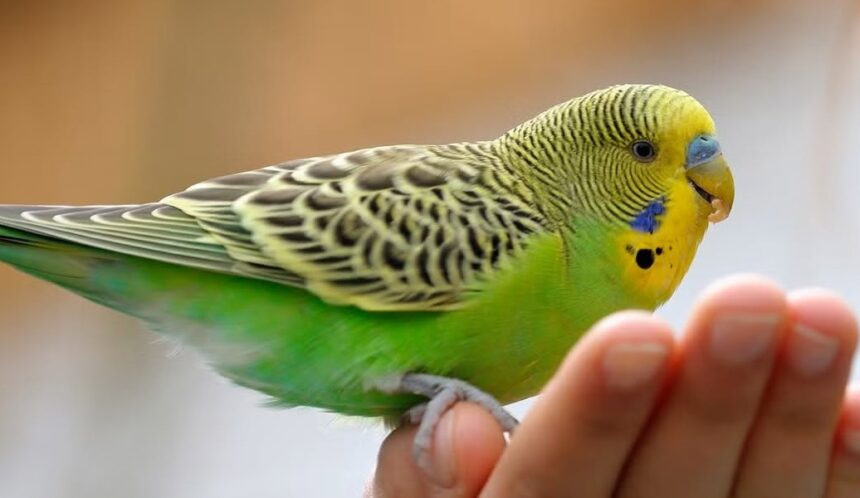
In a major policy shift, the St Vincent’s Ministry of Agriculture, has announced the immediate lifting of the national ban on bird importation, ending a restriction that has been in place for a decade and a half.
The ban, originally instituted in 2011, was established as a precautionary health measure to shield the nation’s fragile domestic poultry sector and prevent the introduction of devastating avian diseases, including Avian Influenza and Newcastle Disease. Additionally, the restriction played a critical role in protecting Saint Vincent and the Grenadines’ unique native wildlife, specifically the vulnerable national bird, the Saint Vincent Parrot (Amazona guildingii).
At the time of the ban’s implementation, the country’s domestic diagnostic and surveillance capacities were heavily constrained. However, the Ministry reports that recent strategic investments in laboratory testing, coupled with robust regional cooperation, have drastically strengthened national capabilities to detect, manage, and mitigate animal health risks.
According to the Ministry’s official release, several key factors contributed to the decision to remove the blanket ban:
International Standards Alignment: The decision aligns with the World Organisation for Animal Health (WOAH) Terrestrial Code, which outlines clear safe-trade guidelines for pet birds. It also respects World Trade Organization Sanitary and Phytosanitary Measures (WTO SPS) principles, which discourage blanket bans when effective, risk-based measures can be implemented instead.
Regional Harmonization: Lifting the ban brings Saint Vincent and the Grenadines into alignment with regional CARICOM and OECS partners, which permit controlled avian imports under verified certification and quarantine protocols. This harmonization is expected to lower trade barriers and foster regional integration.
Enhanced National Capacity: The Veterinary Services Division has successfully established emergency response systems, upgraded its diagnostic facilities, and trained personnel to actively monitor, detect, and contain potential avian disease threats.
Socio-Economic Stimulus: Reopening bird imports is projected to support responsible pet ownership, stimulate local businesses such as pet stores and veterinary clinics, and build stronger connections with the tourism industry and the diaspora.
While the ban has been lifted, the government is emphasizing that bird importation will remain highly regulated to maintain strict biosecurity. Importers must comply with several mandatory requirements to obtain approval:
Veterinary Health Certificate: A certified health document must be obtained from the exporting country.
Mandatory 28-Day Quarantine: All imported birds must undergo a minimum of 28 days of quarantine in approved facilities.
Pathogen Testing: Birds must undergo laboratory testing for avian pathogens prior to being released.
National Standards Compliance: All shipments must fully comply with national biosecurity regulations.