
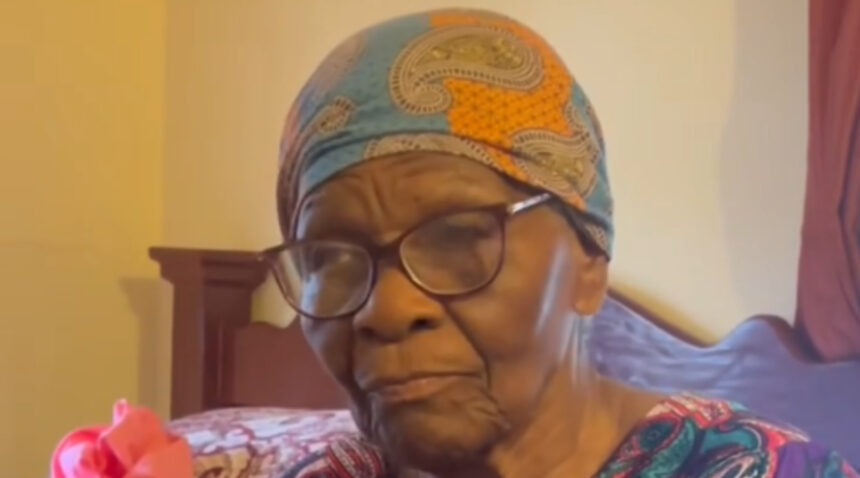
At 91 years of age, Lea Wilson should be living her golden years in peace and dignity. Instead, the proud Grenadines native is packing her belongings in a barren, empty room, facing the imminent threat of being put on the street.
Defiant but deeply shaken, Wilson has become a voice for the displaced, expressing profound shame over how she and other hurricane survivors are being treated by the state.
“I am totally ashamed. I am dissatisfied,” Wilson said, describing the harrowing experience of being relocated repeatedly. “You are looking at people and treating them like dogs, like sheep and goats. Where you tie a goat here today, and tomorrow you move it over there and you leave it there… and then the next thing you say is, ‘Look man, I going to kill you.’ And that is exactly what they’re doing because we are moving from place to place.”
Wilson’s ordeal began when a devastating hurricane struck St. Vincent and the Grenadines. She was in the hospital when the storm cleared, witness to the chaos and immediate displacement of her neighbors. Since then, her life has been a cycle of instability.
On January 2nd, nine months ago, Wilson was relocated to a guest house in St Vincent. Since her arrival, she has received virtually no support from government representatives. Despite her advanced age, she does not receive public assistance to purchase basic necessities. Aside from two boxes containing mostly sugar delivered early in her stay, relief supplies have been nonexistent. No officials have visited to ask about her welfare or ensure her basic needs are met.
Her daily living conditions in the guest house are a far cry from acceptable. Her room is completely empty, forcing her to pack what few items she owns into barrels. Her bathroom is outside, and because the shower does not work, the 91-year-old must bathe using a bucket.
“It is a total disgrace,” she said. “I didn’t want it to reach this far, but it will reach the world. The news will pick it up.”
Adding to the frustration of the displaced is the apparent mismanagement of international aid. According to Wilson, charitable organizations and international bodies including the World Bank, the International Monetary Fund (IMF), and the government of Trinidad and Tobago supplied prefabricated houses intended for those who lost their homes.
However, reports indicate these critical shelters are not reaching the people who need them most. Instead of being assembled on devastated Union Island, there are reports that prefab houses are being sold to individuals on the mainland. Meanwhile, local representatives remain absent, failing to check on the vulnerable citizens left in limbo.
“Why allow political indifferencies to damage human beings?” Wilson questioned, pleading for unity. “We are human, and whatever happened, everybody on the island is affected. Please let us get together.”
The final straw came recently when officials delivered a sudden eviction notice, leaving Wilson with a fraction of a week to vacate her temporary shelter.
“All they brought was a notice,” she said. “You have six days to leave here… you have a day to leave. Isn’t that stressful? Isn’t that hurtful? Isn’t that something to send anybody to the mad house?”
Despite the pressure, Wilson is standing her ground. She notes that while the government is actively funding and rebuilding properties for individuals who can afford to restore their own homes, her own home on Union Island remains neglected and unrepaired.
With no alternative accommodation prepared for her, Wilson has made her stance clear to the mobilization officers who visited her: “I bluntly refuse to go.”
Supported by her unwavering faith, Wilson continues to pray for a resolution, hoping that the world will hear her story and force local authorities to act before a 91-year-old woman is left homeless on the streets of mainland St Vincent.