

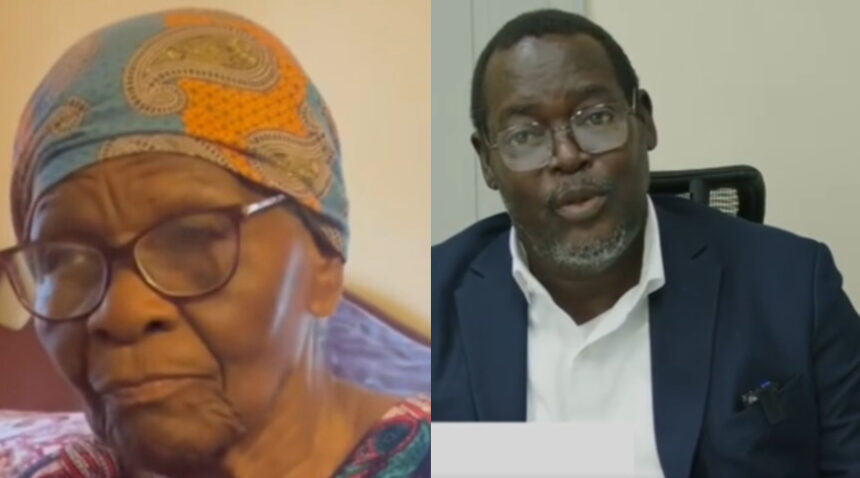
A stark contrast has emerged between the official government narrative of active, compassionate recovery efforts and the grim, unstable realities experienced by displaced survivors of the devastating hurricane that struck St. Vincent and the Grenadines.
While government officials insist they are working tirelessly under tight budget constraints to reconstruct Union Island, some of the most vulnerable evacuees housed on the mainland report severe neglect, squalid living conditions, and abrupt eviction notices.
According to local representatives, the government is deeply engaged in managing the displaced population still living in mainland shelters, with the ultimate goal of returning them to Union Island as soon as their homes are ready.
Officials recently reported executing a weekend operation to transfer evacuees to a mainland guest house offering “favorable terms” to ensure their needs are met for an estimated extra three months while construction continues. “We cannot abandon the people and we cannot leave them alone,” a representative stated, emphasizing that rebuilding is visible across Union Island, with a long list of homes scheduled for construction.
To accelerate the recovery, the Ministry of Housing is actively searching for land to construct more prefabricated homes. Additionally, the government is partnering with private contractors, such as Mr. Waist and his company, to rebuild completely destroyed homes from the ground up. Officials emphasize that these efforts are proceeding “despite our limited resources”.
However, the reality for some displaced survivors paints a far less coordinated picture. Lea Wilson, a defiant 91-year-old Grenadines native currently housed in a mainland guest house, describes a harrowing cycle of instability.
“You are looking at people and treating them like dogs, like sheep and goats,” Wilson said, reflecting on being repeatedly relocated from place to place. Wilson was transferred to a mainland guest house on January 2nd—nine months ago—and claims she has received almost no support since her arrival.
Wilson reports that no officials have visited to check on her welfare, and she receives no public assistance for basic necessities. Aside from two boxes containing mostly sugar delivered early in her stay, material relief has been nonexistent. Her daily living conditions are exceptionally harsh: her room is completely bare, forcing her to pack her belongings into barrels, and with an outside bathroom and a broken shower, the 91-year-old is forced to bathe using a bucket.
The crisis is further complicated by serious allegations regarding the distribution of international aid. While the government claims it is actively looking for land to build prefabricated houses, reports from the displaced suggest these resources are not reaching those who need them most.
According to Wilson, prefabricated houses supplied by international bodies and charitable organizations—including the World Bank, the International Monetary Fund (IMF), and the government of Trinidad and Tobago—have not been assembled on the devastated Union Island. Instead, there are reports that these critical shelters are being sold to individuals on the mainland.
Furthermore, Wilson notes that while the government is actively funding and rebuilding properties for citizens who can afford to restore their own homes, her own home on Union Island remains completely neglected and unrepaired.
The tension came to a head when mobilization officials delivered a sudden eviction notice to Wilson, leaving her with a fraction of a week to vacate her temporary shelter.
“All they brought was a notice,” Wilson recounted. “You have six days to leave here… you have a day to leave. Isn’t that stressful? Isn’t that hurtful?”
