
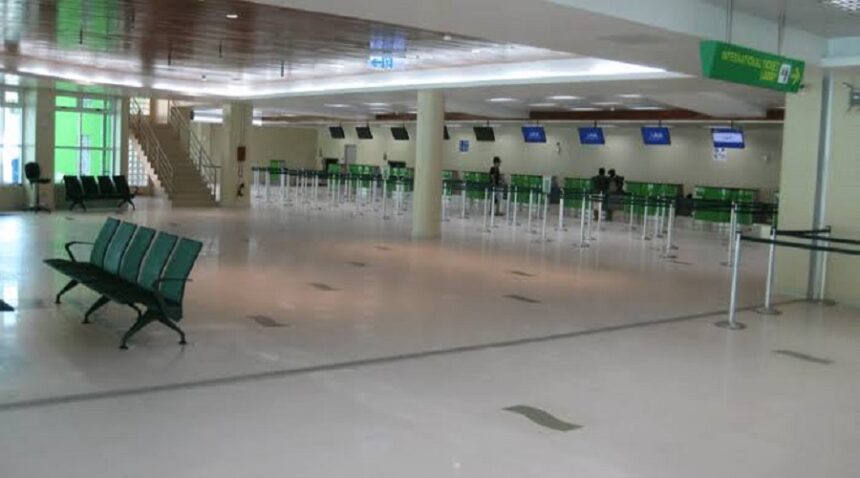
St. Vincent and the Grenadines faces a major setback in its international transport links following Delta Airlines’ permanent cancellation of its non-stop service between Atlanta and Argyle International Airport (AIA).
International media coverage has highlighted the loss of the island nation’s direct air connection to the United States, characterizing the withdrawal as a significant blow to local tourism development and route retention efforts.
The airline’s departure has caused immediate secondary effects at Argyle International Airport, where numerous employees received termination letters citing Delta’s route discontinuation as the primary justification for their dismissal. The abrupt terminations were executed with immediate effect, coinciding with the start of the new academic year.
The justification provided in the termination letters has drawn sharp criticism from opposition members and former government representatives.
Critics point out that airport personnel are hired, employed, and cross-trained directly by AIA across all partner carriers—including American Airlines, Air Canada, and JetBlue—rather than being employed by Delta.
Opponents argue that Delta’s exit is being used as a pretext by the airport board and government administration to reduce payroll costs. Furthermore, industry observers noted that the airport faces an existing shortage in specialized departments, such as aviation security, where displaced check-in personnel could have been reassigned rather than dismissed.
While official airline statements often reference fleet management and route optimization, aviation analysts and former tourism officials emphasize that long-term international route viability relies heavily on local hotel room stock. Major airlines frequently launch early route development in anticipation of major resort additions to fill capacity through their vacation booking divisions.
Delta’s decision to permanently withdraw service has been linked to significant delays in key hotel development projects:
- Beaches Resort: The anticipated Beaches development project has been pushed back to around 2030.
- Marriott Project: Construction timelines and matching private investment for planned brands like Marriott have experienced stalled progress.
Without the expected influx of stay-over room capacity to sustain passenger volumes, maintaining the long-haul US route became economically unviable for the carrier.
The political fallout from the service withdrawal has intensified during parliamentary proceedings. When questioned regarding the exit of Delta and the security of international airlift, the Ministry of Tourism faced criticism for focusing on rival carriers or past administration policies rather than presenting a clear strategy to retain international air links or protect displaced workers.
The loss of the direct US connection arrives amidst wider national economic challenges, including a decline in second-quarter fiscal revenues, reduced public capital activity, and a shift in Moody’s credit rating outlook from positive in late 2025 to negative in mid-2026. Debate continues over the administration’s policy framework for expanding room stock, stabilizing local employment, and securing long-term international airlift.