

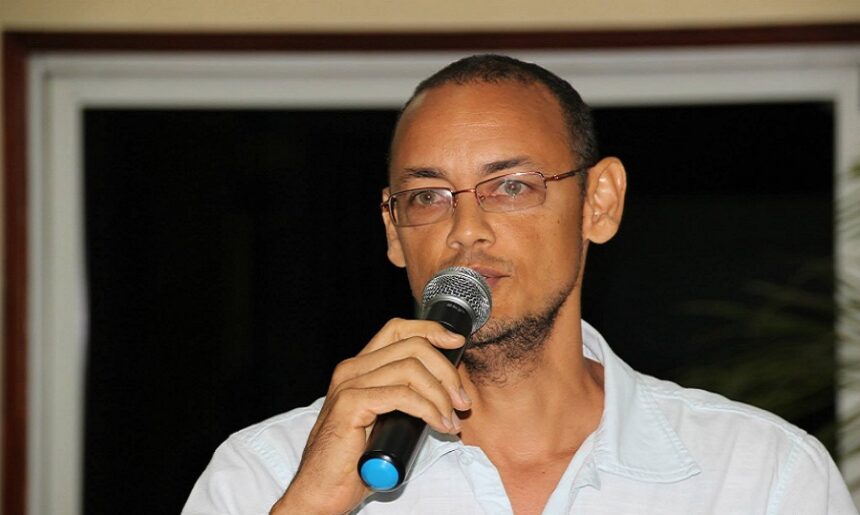
As St. Vincent and the Grenadines confronts an unprecedented fiscal crisis, prominent radio host and commentator Chester Connell has rejected attempts to blame long-standing diplomatic ally Taiwan for the island nation’s economic and development struggles. Speaking on Hot 97.1 SVG during a broadcast on whether the country should seek an International Monetary Fund (IMF) structural program or switch diplomatic allegiance to Mainland China for financial relief, Connell declared that responsibility for the island’s economic state rests firmly at home rather than with foreign partners.
The debate over foreign alliances comes against a backdrop of severe domestic economic pressure. St. Vincent’s national debt has climbed to between $3.1 billion and $3.5 billion, with approximately 40 percent of that total accumulated over just the past three years.
The strain on public finances is already acute, as roughly 39 to 40 cents of every single dollar generated through government customs duties and tax revenue is currently absorbed by debt service payments. With public revenue consumed by debt maintenance, state services face severe tightening, leading some commentators and citizens to suggest that major geopolitical shifts may be necessary to relieve the financial burden.
Amid calls from some quarters to sever ties with Taipei in exchange for potential debt relief from Beijing, arguments have emerged suggesting that Taiwan shares blame for the island’s plight by continuously extending loans and financial backing to the government over the years.
Addressing these claims, Connell acknowledged that while critics accuse Taiwan of enabling government spending, Taiwan would be entirely justified in turning that argument back onto the Vincentian public. If SVG leaders or citizens claim desperation caused by foreign borrowing, Taiwan can legitimately point out that the Vincentian electorate repeatedly authorized the government’s fiscal direction at the ballot box.
Connell underscored that St. Vincent and the Grenadines is ninety-five percent responsible for its current financial predicament. He highlighted that voters democratically elected and re-elected the ruling administration through five consecutive terms, making the nation’s debt trajectory a direct outcome of domestic political choices and governance rather than external manipulation. While recognizing that the island faces a desperate financial reality, Connell maintained that blaming a bilateral partner for issuing requested credit ignores the fundamental principle of national accountability and the democratic choices made by the electorate over decades.
The commentary also addressed the broader diplomatic and practical ramifications if St. Vincent were to abandon its alliance with Taiwan purely out of financial necessity. Acknowledging that shifting ties for monetary relief risks making the nation appear flighty or disloyal after decades of partnership, Connell noted that desperate economic circumstances often force sovereign governments to prioritize immediate survival over historical ties.
Regarding Vincentian scholarship recipients currently studying in Taiwan, Connell expressed confidence that any transition would include arrangements allowing current students to complete their degree programs using Chinese funding before directing future educational cohorts directly to Mainland China. Ultimately, Connell’s analysis stresses that whether St. Vincent pursues strict IMF structural adjustments or geopolitical realignment, the country must first acknowledge its own primary role in its economic development challenges.
