
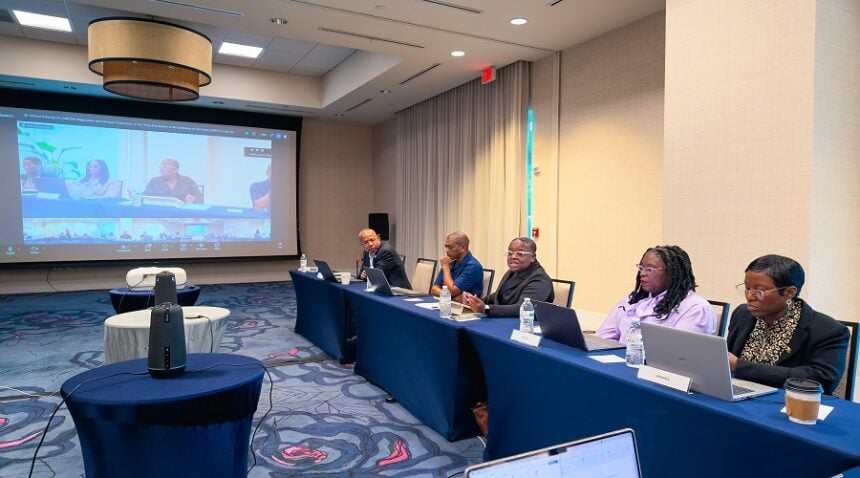
Leaders, climate negotiators, regional institutional heads, and youth representatives from across the Caribbean Community (CARICOM) convened in Miami from October 12–14, 2026, to unify their negotiating priorities ahead of the 31st Session of the Conference of the Parties (COP31) to the UNFCCC, set for November 9–20 in Antalya, Türkiye.
The preparatory session, formally titled the Second Meeting of CARICOM Negotiators and Ministers Preparatory to COP31, was convened by the Belize-based Caribbean Community Climate Change Centre (CCCCC), following an initial regional consultation in Guyana earlier this year in March.

Caribbean representatives enter the upcoming summit backed by sobering conclusions from the United Nations Environment Programme’s (UNEP) Emissions Gap Report 2025: Off Target. The report warns that global temperatures will breach the 1.5°C warming threshold at least temporarily, putting the planet on course for a 2.3–2.5°C temperature rise this century even under full implementation of current national pledges.
Addressing delegates, CARICOM Assistant Secretary General Dr. Wendell Samuel highlighted the immediate human and economic toll facing small island and low-lying coastal states.
“For CARICOM, climate change remains the defining sustainable development challenge of our generation,” Dr. Samuel stated. “Our people do not experience climate negotiations; they experience climate impacts. They experience stronger storms, damaged infrastructure, and disrupted livelihoods.”
Dr. Samuel underscored that maintaining the 1.5°C limit is vital for regional survival, describing 1.5°C as “the line between manageable risk and irreversible loss” with far-reaching consequences for public health, livelihoods, economic stability, and security.
Echoing the call for unwavering advocacy, CCCCC Executive Director Dr. Colin Young reminded negotiators that regional impact hinges on collective strength rather than carbon footprint size.
“The strength of the Caribbean and our negotiators have never been in the size of our emissions; it has always been in the clarity of our cause and the discipline of our common position,” Dr. Young told participants. “We have proof of what a united region and a united Alliance of Small Island States (AOSIS) can deliver in these negotiations. The best outcomes will not be handed to us. We have to demand it, defend it with courage and unity.”
By formalizing a coordinated regional stance, CARICOM delegations aim to ensure that small island developing states present a formidable, unified front when international negotiations open in Antalya next month.