

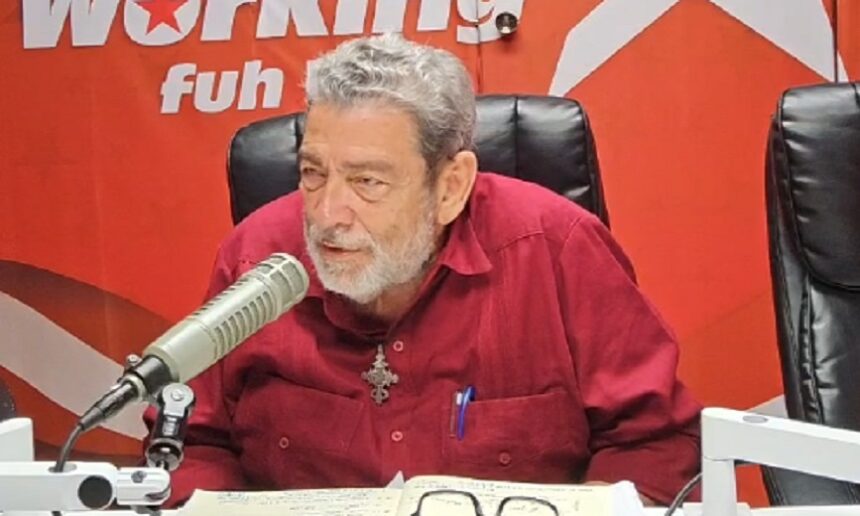
In a scathing assessment of the current political landscape, Ralph Gonsalves has characterized the first eight months of the New Democratic Party (NDP) administration as a period of significant national regression.
Drawing a sharp contrast between his previous United Labour Party (ULP) administration and the current government, Gonsalves argues that the promised “change” has manifested as increased fear, poverty, and administrative incompetence.
One of the most critical areas of concern highlighted by Gonsalves is the state of healthcare. He notes that the acute care hospital project is now approximately a year and a half behind schedule, with a revised completion date of December 2028.
Furthermore, he says the existing medical facilities are “running to the dogs,” citing the cancellation of elective surgeries due to uncontrollable bacterial infections and the dismissal of Cuban medical personnel.
Gonsalves pointed to the deterioration of the Windward Highway, noting that no funding or program has been established to maintain the road. He also expressed concern regarding the reduced maintenance and cleanliness at the Argyle International Airport (AIA), warning that such neglect could lead to the loss of major airlines like JetBlue.
Gonsalves challenged the government’s narrative that the national debt is unsustainable, labeling it a “false narrative” used to justify a lack of developmental progress. Instead, he pointed to specific signs of financial mismanagement:
- Underfunded Sinking Fund: Budgeted monies intended to pay off bonds are reportedly not being deposited.
- Contingency Fund Neglect: The legal requirement to deposit one percentage point of VAT into a contingency fund is allegedly being ignored.
- NIS Delays: There are reports of the government falling two months behind on National Insurance Services (NIS) payments for public servants.
He further criticized the government for spending significant sums on “gimmicks”, such as $135,000 for a logo on a plane and sponsorships for a CPL cricket team while failing to provide wage increases for public servants or adequate support for the poor.
According to Gonsalves, the “pro-poor” policies established during his tenure have been systematically abandoned. While the government may have increased the dollar amount of public assistance, he asserts they have simultaneously cut the number of recipients, even removing elderly citizens in their 80s from the rolls.
The housing program has also stalled. Gonsalves claimed the NDP is “running on the steam” left by the ULP, failing to invest new money into housing. He highlighted the irony of the government selling houses intended for those affected by Hurricane Beryl at prices ranging from $116,000 to $175,000, rather than providing them as relief.
The social fabric of the country is under threat from rising crime, with Gonsalves stating that citizens now live in fear, unable to walk through town on a Saturday without the risk of violence.
Internationally, he described the government as “empty-handed” following a visit to Taiwan, suggesting they have failed to secure concrete investments. He also noted a decline in the efficiency of foreign services, specifically citing long delays for citizens seeking assistance from the embassy in England.
Gonsalves concluded that the country is currently operating in a “political authority vacuum” where ministers prioritize their egos over competence.
He says that the public sentiment has shifted rapidly, with even former NDP supporters allegedly expressing regret and calling for his return to leadership. In his view, the current administration lacks a coherent developmental plan, leaving the country to “sink further” into hardship.
