
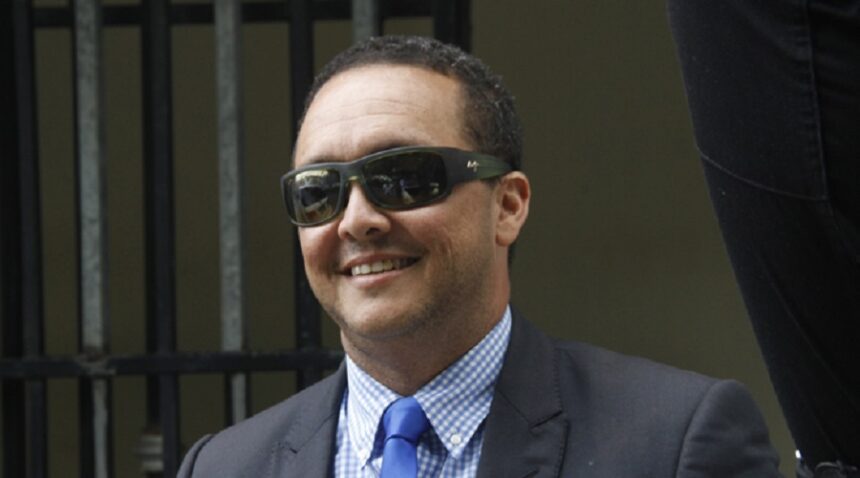
Connell accuses Leacock of prejudicing case against charged students
A sharp legal debate has erupted in St. Vincent after defense attorney Grant Connell publicly admonished Deputy Prime Minister and Minister of National Security, Hon. St. Clair Leacock, over public statements regarding six students facing criminal charges.
In an interview with The Vincentian, Connell, who represents four of the accused youths, urged the Minister to respect the separation of powers and allow judicial authorities to proceed without political interference.
The friction follows comments delivered by Minister Leacock during the St. Vincent Grammar School’s 118th Anniversary Church Service on September 21.
Addressing the student body, Leacock stated that the charged students were “lucky” to have been permitted to sit their examinations prior to prosecution, asserting that they should have been prosecuted summarily. Expressing zero tolerance for bullying and criminal behavior in schools, Leacock warned that law enforcement would be advised to act “firmly and swiftly”.
Connell criticized the Minister’s posture, pointing out that because the case is actively before the court, the matter remains sub judice. He reiterated that the justice system operates under English law, which strictly guarantees that every accused person is presumed innocent until proven guilty.
Connell condemned the Minister’s commentary as “very prejudicial” and contrary to basic common sense. He cautioned against destroying young lives simply to protect political optics or personal egos, noting that the youngest defendant involved in the matter is only 14 years old.
Rather than leaning heavily on police action and rigid sentencing as primary remedies, Connell urged national leaders to focus on fixing underlying social gaps and restoring the country’s frayed moral fabric.
He suggested that Leacock’s approach risks alienating young people—making him appear more like a “grumpy grandpa” than an inspiring figure—and concluded with a firm boundary check: “Know your role. Let the Commissioner of Police and the Director of Public Prosecutions do their jobs”.