

The inclusive education program at Fair Hall Primary School has become a hallmark of success, proving that with the right tools and dedication, students with diverse learning challenges can thrive. While following the standard primary curriculum, the school has broken traditional boundaries by extending its reach up to Grade 9, specifically designed to support students who are not yet ready for mainstream secondary education.
The initiative began in 2019 when educators and the Ministry of Education recognized that many students including those with autism and others on the spectrum were not ready for “normal” mainstream secondary schools after sitting their CPA exams. Initially intended as a three-year program, it was extended to a fourth year to better prepare students for the transition.
The program is not limited to Fair Hall alumni; it welcomes students from across the island. Minister of the Family and Persons with Disabilities, Honorable Laverne Gibson Velox, recently toured the institution, praising the dedication of the staff and reaffirming the government’s commitment to enhancing learning spaces and equipment.
A defining feature of the Fair Hall model is its heavy emphasis on hands-on vocational training alongside traditional academics. The school has partnered with the Glen Resource Center and local community members to provide a diverse range of skill-based learning, including:
- Trade Skills: Plumbing, woodwork, and design and technology.
- Aesthetics: Hairdressing lessons conducted at a local community salon.
- Sustainability: Agriculture and gardening.
Teacher Mishka Young Painter, who works with Grades 7 through 9, highlights the program’s success in fostering independence. In January, students started a food garden growing lettuce, tomatoes, and cabbage. “When we yielded our crop, we sold and we made a good bit of money enough to sustain us,” Painter shared, noting that students also learn marketing and packaging skills.
The curriculum also covers essential daily living skills, such as laundry, ironing, bed-making, and cooking. Whether it is learning to stew chicken with a student “master chef” or practicing tea making, the goal is to ensure these children can lead regular, independent lives.
The school’s approach goes beyond merely having students in the same building. An inclusion coach works one-on-one with teachers to implement Universal Design for Learning (UDL) and differentiated instruction.
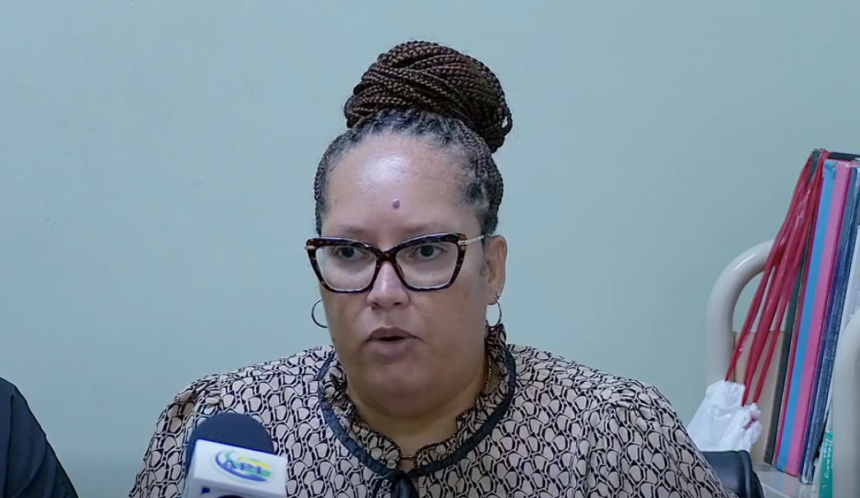
The physical environment has also been adapted; for instance, the school features “calm down areas” where students with autism can decompress if they become overstimulated. “Essentially what we’re trying to do is to create an environment that accommodates the needs of the students so that they do not have to be removed from the classroom,” the specialist explained.
Despite its success, the program faces hurdles, particularly regarding the transition to secondary school. There is also a recognized gap for students who leave the program at 16 or 17 years old, as many vocational programs, such as KTI, do not begin until age 18.
Minister Gibson Velox emphasized that the goal is total integration, noting that these children only need the opportunity to prove they can do better. This initiative is part of a broader effort by the Ministry of Education, which includes a pilot project on Bequia and the continued support of differently-abled students in schools nationwide.
As the Fair Hall Primary School continues to evolve, it stands as a testament to the idea that inclusivity is not just about physical presence, but about practicing what is preached through tailored support and unwavering belief in every child’s potential.
