


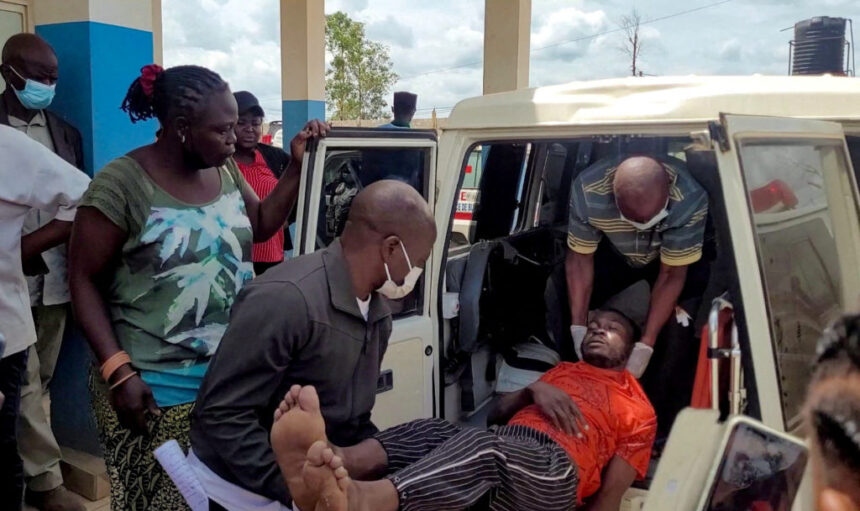
The World Health Organization is sounding the alarm over an Ebola outbreak in Central Africa that is spreading “faster and more widely than previously thought”. The rapidly moving situation has already claimed 131 lives, with over 500 people infected, primarily in the Democratic Republic of Congo (DRC). Alarmingly, the disease is not staying put—cases are emerging in new towns and cities, and the virus has successfully crossed the border into neighboring Uganda.
Experts are expressing significant concern over the speed and scale of the infections. The director of the Pandemic Sciences Institute at Oxford University warns that the positivity rate among tested suspected cases is exceptionally high, sitting roughly between 50% and 60%. This alarming metric strongly suggests that the outbreak is already widespread across the region.
Containing this particular outbreak is proving incredibly difficult due to the harsh realities on the ground. The virus has infiltrated large urban settings with significant populations. Furthermore, response efforts are being severely hampered by highly dangerous conditions, including the presence of rebel groups, active fighting, frequent cross-border movement, and massive displacement of people due to conflict. Health workers are now facing the monumental task of tracing potentially thousands of contacts across this highly volatile and insecure environment.
While the memory of the 2014 West African outbreak—which claimed over 11,000 lives—looms large, experts are urging targeted vigilance. The immediate risk to countries bordering the eastern side of the DRC is currently considered high. However, the risk of global spread remains low, though experts caution that it is “not zero”.
As seen in 2014, international travel means infected individuals could potentially fly long distances into other countries. Fortunately, this strain is not highly transmissible and is considered a “readily containable” infection as long as nations remain extremely vigilant and implement strict screening protocols for individuals with fevers arriving from potentially affected areas.
For now, the absolute priority for the international community is to identify and isolate cases, launch massive contact-tracing operations, communicate effectively with the public, and coordinate internationally to ensure neighboring nations are prepared should the virus breach further borders