

Rebuilding Education and Infrastructure in the Grenadines
In the wake of hurricane Beryl that severely impacted St. Vincent and the Grenadines, the United Nations Development Programme (UNDP), backed by international partners, has launched comprehensive recovery and resilience initiatives to help the island nation rebuild.
Hurricane Beryl which claimed five lives on Union Island and caused widespread trauma and destruction, left many residents in need of urgent assistance and safe evacuation. In response to the crisis, an existing project implemented by the UNDP, with support from Global Affairs Canada and the UK’s Foreign, Commonwealth & Development Office (FCDO), was extended to provide targeted relief to the region.
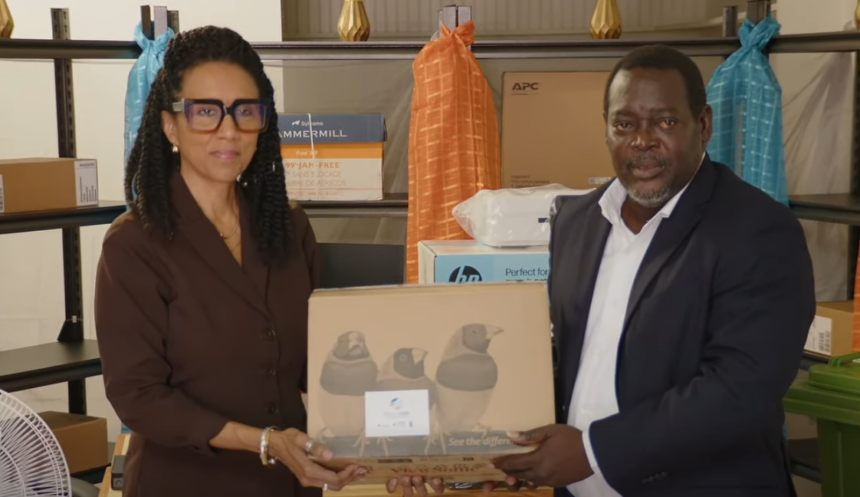
A primary focus of the immediate recovery effort has been restoring the education sector. Working alongside the economic planning unit, the UNDP facilitated the delivery of essential equipment to ensure schools in the Grenadines could safely reopen and resume normal operations. The donated supplies included computers, peripheral devices, screens, air conditioning units, refrigerators, fans, and bins. Local representatives expressed deep gratitude for this support, noting that the equipment will significantly improve the teaching and learning environment for young people who have endured severe psychological impacts from the disaster. Prior to the hurricane, the program had also supported disaster preparedness training for these schools.
Beyond immediate educational relief, the UNDP is coordinating a long-term strategic recovery. With support from the European Union (EU) and various UN agencies, a Post-Disaster Needs Assessment (PDNA) was conducted. Officials emphasize that this assessment goes beyond merely calculating damages and losses; it focuses on “building back better” and embedding resilience across every sector. As part of this initiative, a comprehensive housing assessment was completed for the Grenadines, leading to the development of a new housing plan and resettlement Standard Operating Procedures (SOPs) that draw on past local disaster experiences.
To reduce chaos and better manage future crises, officials are developing a National Recovery Framework. This framework establishes clear policies, roles, and responsibilities, and introduces the concept of “recovery simulations” to ensure that agencies know exactly what to do when disaster strikes. Recognizing that recovery is a dynamic, long-term process, a monitoring and evaluation framework has also been implemented to systematically track progress and ensure structured reporting on the recovery plan’s success.
Looking ahead, the UNDP is rolling out a new project called EU CARES (European Caribbean Resilience Program). This program aims to further support anticipatory disaster planning, improve the digitization and sharing of information, and facilitate community-led exercises that will directly benefit the people of the Grenadines. Through these combined efforts, international agencies and local communities are working hand-in-hand to ensure the islands are not only recovering but are better prepared for the future.
