
Former Prime Minister Ralph Gonsalves has issued a stark warning regarding the nation’s financial health, alleging that the current administration is failing to meet critical fiscal obligations, which could lead to further credit downgrades. Speaking on a recent radio program, Gonsalves claimed the country is “falling apart” due to a lack of grounded leadership and a failure to address mounting economic red flags.
Gonsalves revealed that he has been advised of significant irregularities in the management of state funds. Specifically, he alleged that the sinking fund, which is budgeted to pay for the ongoing amortization of bonds, is currently underfunded. According to Gonsalves, the government is simply “not putting the money in”.
Furthermore, he accused the government of breaking the law by failing to remit the mandatory one percentage point from Value Added Tax (VAT) into the contingency fund. Gonsalves stated that these remittances have been missing for “several months now”.
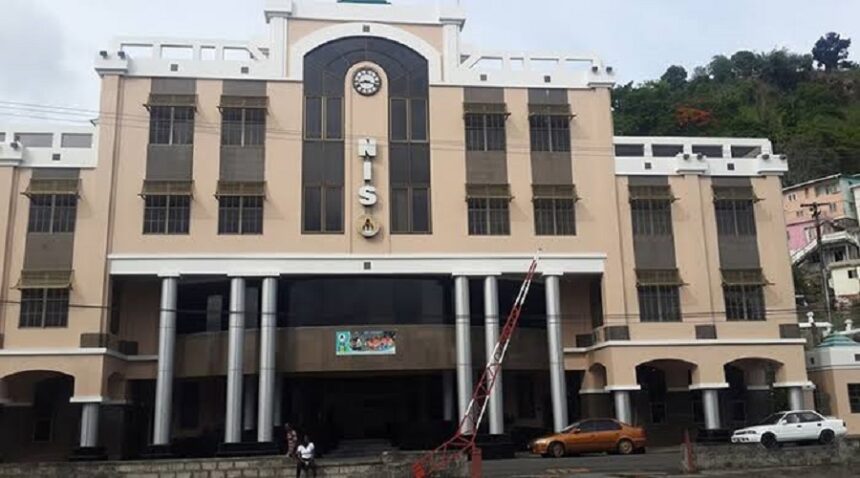
The former Prime Minister also highlighted a growing backlog in social security contributions. He noted that he understands the government may be two months behind on NIS payments for workers employed in the public service. He stressed that these matters require urgent attention and leadership, stating, “You have to be curious about them to address them… the thing is falling apart”.
These fiscal lapses, Gonsalves warned, could trigger another downgrade from Moody’s Investors Service. He recalled that the rating agency had previously expressed deep concern over “debt swaps” where the private sector was forced to take a “haircut” on bonds.
“If we continue like this, you’re going to have it,” Gonsalves said regarding a potential downgrade, criticizing the government for having no “compelling developmental narrative” to solve these real-world problems.
Gonsalves dismissed the government’s claim that the national debt which he cited at approximately $3.5 billion is unsustainable. He argued that this is a “false narrative,” pointing out that over $2.5 billion of that debt consists of external loans on concessionary terms, while the remaining $900 million is owed internally. He contended that internal debt shifting does not cause systemic problems and accused the current government of borrowing more while cutting developmental projects.
He concluded by characterizing the government’s approach as “ad hoc” and “overwhelmed,” warning that the longer they take to make decisions, the further the country will slide.