

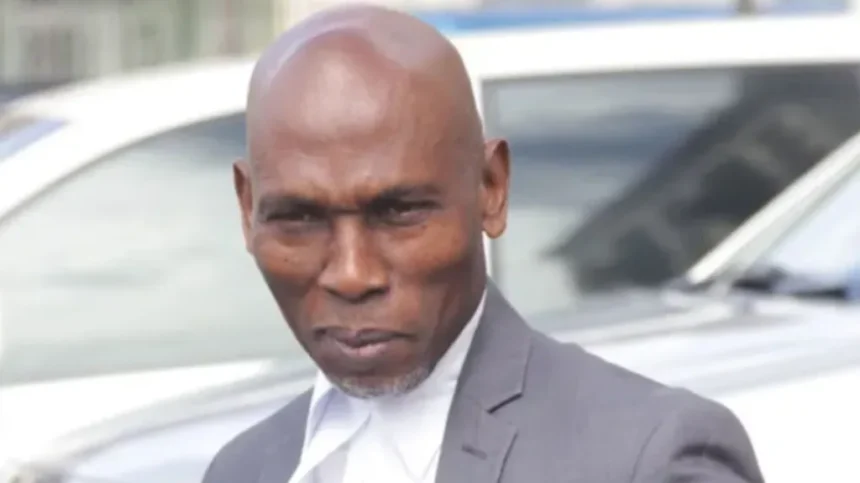
Prominent lawyer and commentator Jomo Thomas raised serious concerns regarding a series of critical issues affecting the nation, highlighting deep systemic problems in education, public administration, financial transparency, and environmental protection.
Thomas expressed profound concern over the recurring delays in the opening of several schools. He emphasized that these delays are more than just a scheduling inconvenience; they actively worsen an educational deficit that disproportionately impacts children of lower economic backgrounds.
According to Thomas, while wealthier families can afford international travel or enriching programs during the long vacation, children from poorer households often spend their downtime at home. With limited community programs available, many of these youth end up spending excessive idle time on smartphones.
Thomas noted that this passive absorption of digital media does not equate to genuine education. He warned that keeping young people out of the classroom for extended periods leads to learning loss and leaves them with few productive outlets, sometimes leading to youths walking the streets without constructive engagement.
To mitigate these delays, Thomas supported the idea of utilizing alternative instructional methods. He noted that since most households have access to smartphones, administrators should be creative enough to send introductory assignments or utilize virtual learning options so that students are not left completely without instruction when physical classrooms are unavailable.
The debate around school maintenance also touched on the division of responsibility between the government and private entities.
Thomas questioned why public funds are being used to repair private or government-assisted institutions, particularly those affiliated with wealthy organizations like religious bodies. He suggested that these institutions should instead leverage their financial resources and activate their alumni networks to fund necessary repairs and furniture replacements.
Furthermore, Thomas addressed the physical state of high schools, noting instances of neglect and poor maintenance, such as floors covered in trampled chewing gum. He argued that older students are mature enough to take responsibility for maintaining the cleanliness of their surroundings and protecting school property.
Thomas expressed strong support for policy measures requiring students or their families to repair or replace furnishings they deliberately destroy, arguing that accountability is essential for building character and maintaining public assets.
