

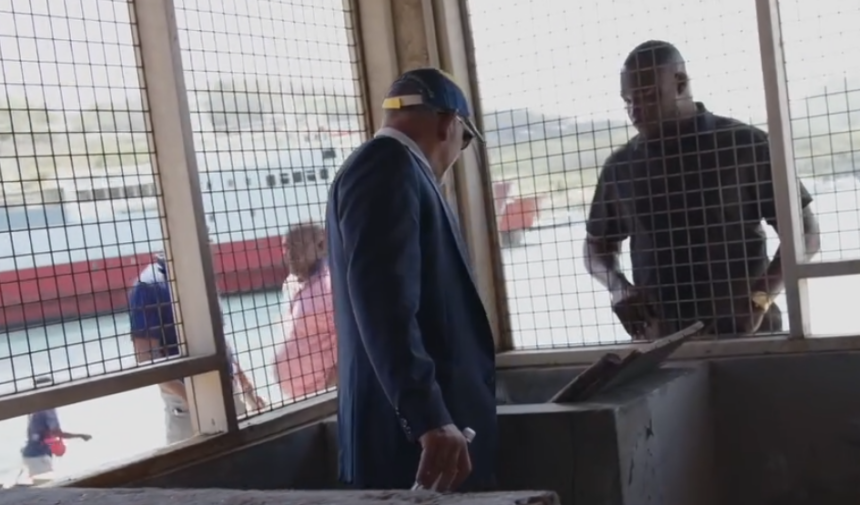
The government will execute the comprehensive modernization of the Port Elizabeth Fishery Complex alongside the urgent restoration of the Bequia Fire Station.
The modernization of the Port Elizabeth fishery addresses the “functional but gapped” limitations of the current facility. To meet international commercial standards and resolve the “awkward” conditions currently facing both fishers and consumers, the planned transformation includes:
Advanced Waste Management Systems: Establishing dedicated facilities for the sanitary management of biological and operational by-products.
Climate-Controlled Cold Chain: Installation of modern ice production and storage facilities to preserve product integrity and market value.
Dedicated Administrative Suites: New office spaces to facilitate professional oversight and the streamlined management of fishery operations.
Optimized Consumer Layout: Redesigning the physical marketplace to eliminate current logistical “awkwardness,” creating a professional environment for buyers and trade.
Central to this vision is the government’s structural reorganization, specifically the legislative separation of Fisheries from the Ministry of Agriculture to allow for total focus on marine resource potential.
“During the campaign we said we will separate the Ministry of Fisheries from the Ministry of Agriculture for that purpose so we could focus on developing our blue economy sector, and that is what we have done. We are in the process of doing the things necessary to start from that point to build this industry to the full potential it can”, Friday said.
Also on Bequia, the government is concurrently prioritizing the restoration of the local fire station, a facility that has endured 15 years of advocacy and complaints regarding its deterioration. Current conditions—characterized by rusted roofing and falling debris—have been deemed unsuitable for officers.
These projects are formally integrated into the national fiscal framework, with funding secured in the estimates for the current year. Government leadership views these upgrades as a social contract between the state and its citizens.
