
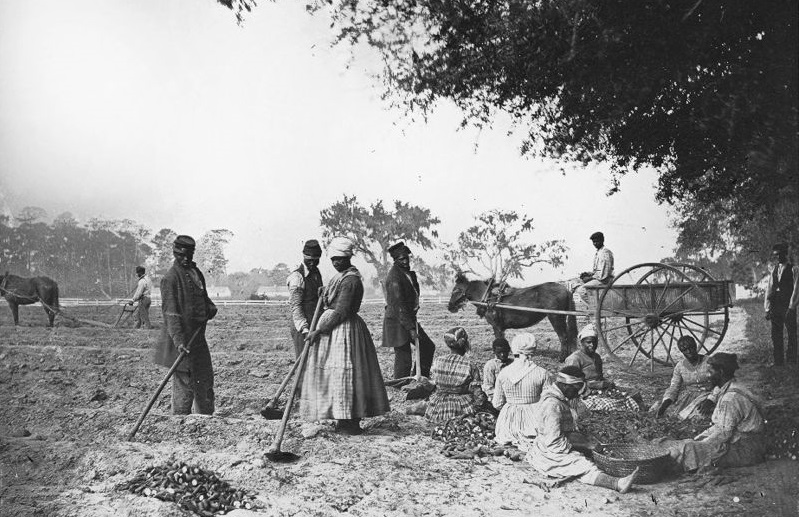
Advancing the cause of reparatory justice, Ralph Gonsalves detailed the necessity of addressing the “legacy of underdevelopment” caused by native genocide and the enslavement of African bodies.
He emphasized that St. Vincent and the Grenadines presents a unique case of genocide against the Garifuna people, who were targeted for extermination and forcibly deported by the British.
Gonsalves proposed that reparations should not be a one-off payment but an intergenerational support fund lasting approximately 50 years to finance long-term development in health, education, and infrastructure.
He pointed to the Caricom 10-point plan, which includes demands for a formal apology, debt cancellation, and technology transfer.
Gonsalves noted that while the British government paid £20 million in compensation to slave owners in 1834—amounting to 40% of their national treasury’s income at the time the enslaved received nothing.
He argued that reparations are an international human rights issue that must be integrated into the Sustainable Development Goals (SDGs), focusing on projects like the development of Balliceaux as a memorial park and upgrading health services.
The Core Ten Points
The plan outlines ten specific areas for repair and recompense from former colonial powers:
- Formal Apology: A full and formal apology for the wrongs of slavery and the subsequent treatment of emancipated peoples.
- Repatriation: Recognizing the right of descendants of enslaved Africans to return to Africa if they so choose.
- Indigenous Peoples Development Program: Dedicated support to advance the well-being of descendants of the original inhabitants of the West Indies, such as the Garifuna and Kalinago, who were decimated by disease, war, and discrimination.
- Cultural Institutions: The establishment of institutions in the Caribbean to preserve and celebrate heritage.
- Public Health Crisis: Addressing chronic health issues resulting from the historical trauma and conditions of enslavement.
- Education: Assistance in restoring and developing educational systems to provide quality access and outcomes.
- African Knowledge Program: Initiatives aimed at connecting Caribbean people of African descent with their ancestral roots.
- Psychological Rehabilitation: Programs designed to heal and repair the psychological trauma within African descendant populations.
- Technology Transfer: Enhancing access to science and technology to bolster regional development.
- Debt Cancellation: Clearing the national debts of Caribbean nations to allow for sustainable economic growth