


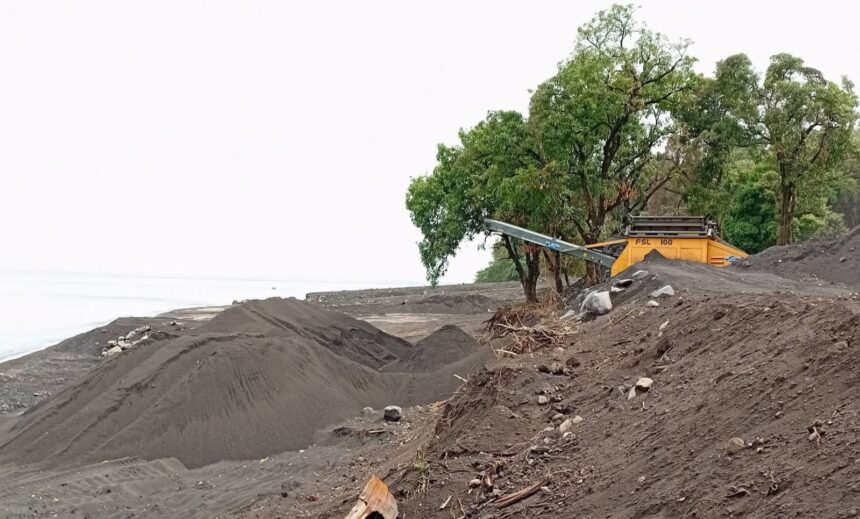
Environmental Concerns Over Riverbed Mining in North Leeward
The commencement of mining operations within the Roseau Valley riverbed in North Leeward has raised significant environmental concerns among residents, fishermen, farmers, and environmental advocates. While aggregate extraction may be justified as necessary for development projects, conducting mining activities directly within an active river system presents serious ecological risks that cannot be ignored. For many Vincentians, the situation is particularly noteworthy given that members of the current New Democratic Party (NDP) administration were among the strongest critics of quarrying activities undertaken by previous governments. Today, however, similar activities are taking place under the authority of the very administration that once condemned such practices, raising important questions about environmental stewardship and accountability.
Riverbeds are not simply sources of sand and aggregate. They are living ecosystems that support a variety of plant and animal species. Mining operations disturb the natural structure of the river channel, remove critical habitat, and alter the movement of water and sediment. Increased sediment runoff can reduce water quality and negatively affect aquatic life throughout the watershed.There are also concerns about the impact on the marine environment along the North Leeward coastline. Sediment carried downstream eventually reaches the sea, where it can smother coral reefs, seagrass beds, and other fragile ecosystems.
These marine habitats are essential for sustaining fish populations and supporting local fishing communities. Any degradation of these environments could have long-term consequences for fisherfolk and their livelihoods. Riverbed mining may also increase the risk of erosion along agricultural lands bordering the river. The removal of large quantities of material can alter natural water flows and destabilize sections of the river system. In a country already facing the challenges of climate change and increasingly intense weather events, activities that may increase environmental vulnerability deserve careful scrutiny.
North Leeward has a long history of agricultural production. Changes to river systems can affect water availability, groundwater recharge, and irrigation patterns that farmers rely upon. Communities that depend on these natural resources may ultimately bear environmental costs that continue long after mining operations have ended. There are widespread concerns that the extracted material may ultimately be used to support private development interests outside of North Leeward, including reports that material could be transported to Canouan for land expansion and golf course development associated with billionaire-owned tourism projects. If these reports are accurate, serious questions arise as to whether local communities are being asked to bear environmental costs for the benefit of private investors elsewhere.
Perhaps most striking is the apparent silence of individuals and groups who previously opposed quarrying activities in the area. Those who once championed environmental protection and community consultation now appear reluctant to speak out against similar activities undertaken by their preferred political administration. Environmental protection cannot be selective. Principles must apply regardless of which political party occupies government. If mining in North Leeward was environmentally harmful yesterday, the same concerns remain valid today.
Residents are entitled to know whether comprehensive environmental impact assessments have been conducted and whether those findings have been made public. The people of North Leeward deserve transparency, accountability, and meaningful consultation regarding activities that may permanently alter their natural environment. The protection of the country’s rivers, fisheries, agricultural lands, and coastal ecosystems should remain a national priority regardless of political affiliation. Sustainable development requires that economic objectives be balanced against environmental responsibility, ensuring that the interests of present and future generations are protected.