
Government’s efforts to limit the cost of fuel and Liquefied Petroleum Gas (LPG) have had a combined EC$44.9 million impact on the public finances since the start of the financial year on April 1, 2026.
The figure includes reduced revenue from the excise tax on fuel and the cost of subsidising cooking gas.
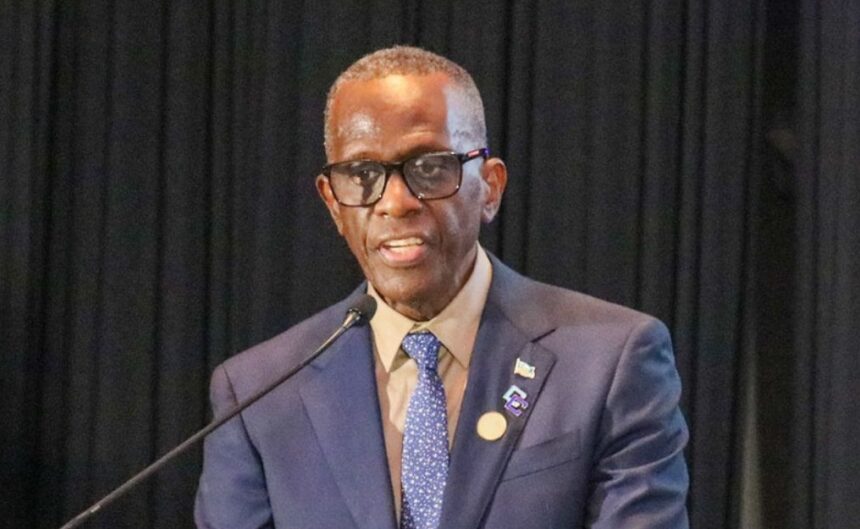
Prime Minister and Minister for Finance Hon. Philip J. Pierre said Government has collected EC$39.2 million less in fuel excise tax and spent EC$5.7 million subsidising cooking gas during the period.
Together, these measures have had an impact of $44.9 million on the public finances. “This is concerning, but we have taken these decisions to reduce the burden on the people of Saint Lucia,” Prime Minister Pierre said.
Government cannot control international oil prices or the events which cause them to rise. It can, however, limit the effect on consumers through the taxes it collects and the subsidies it provides.
By collecting less tax on fuel and covering part of the cost of cooking gas, Government helps to keep prices below what consumers would otherwise pay. In some cases, the Government covers more than half of the actual cost of the 20-pound and 22-pound cooking gas cylinders.
The pressure comes amid increases in international oil prices linked to the conflict involving Iran and uncertainty surrounding major oil-shipping routes.
Despite the financial pressure, the Government will keep fuel prices unchanged during the next pricing cycle.
Prime Minister Pierre also assured Saint Lucians that sound fiscal management will allow the Government to continue delivering on the promises made in the 2026/2027 Budget.