

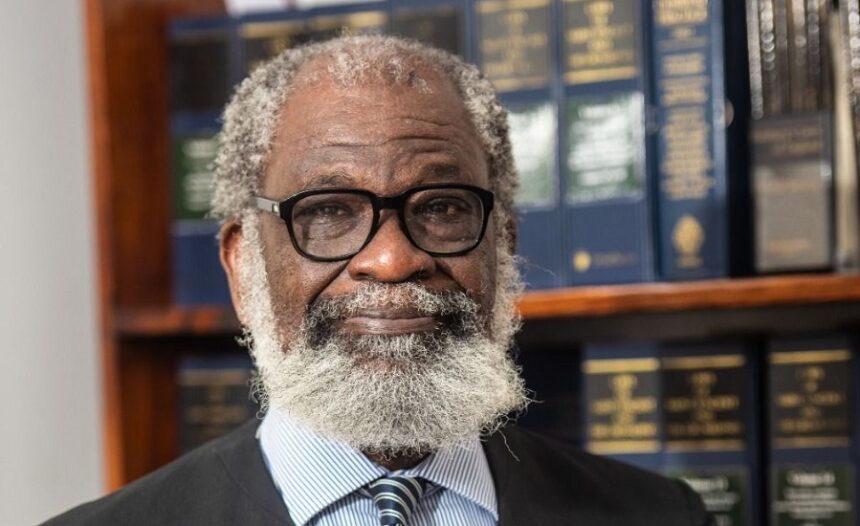
As St. Vincent and the Grenadines teeters on the edge of what political leaders are calling a constitutional crisis, all eyes are turning toward the highest office in the land: the Governor General. With the New Democratic Party (NDP) government pushing rapidly to retroactively amend the constitution to shield two of its members from an active election lawsuit.
The mechanism for this proposed intervention relies on the Governor General’s power to grant or withhold final approval for legislation. The Opposition leader Ralph Gonsalves has publicly called on the Governor General Sir Stanley “Stalky” John to step in and pre-emptively declare his refusal to sign the controversial bills into law should they be passed by the NDP’s parliamentary majority.
“He must indicate to the public that he would not give ascent to a bill to these bills if they are passed,” Gonsalves stated, stressing that the Governor General cannot permit the “usurpation of constitutional order and the rule of law”.
The role of the Governor General is structurally designed to function as an independent office of the state, established to safeguard the democratic existence of the society and transcend partisan divides.
Opposition officials are issuing stark warnings about the reputational and institutional damage the Governor General could suffer if he signs the bills. Gonsalves expressed his disbelief that a Governor General would allow himself to become “complicit” in such a maneuver, warning that a failure to intervene “will compromise the office of the governor general”.
Adding a layer of deep historical irony to the current crisis is the Governor General’s own past involvement in similar dual-citizenship disputes. Sir Louis, a former politician who held U.S. citizenship in the 1990s, recounted a revealing story about the advice he received in 1994 from the now current G.G, who was acting at the time as head of the Labour Party.
According to Sir Louis, John strictly enforced the constitution at the time, advising him that he must maintain an “undivided loyalty to St. Vincent and the Grenardines and therefore I must renounce my US citizenship”. Sir Louis heeded this counsel, traveling to the American embassy in Barbados to formally sever his ties to the U.S. to ensure his political nomination was legally sound.
Opponents of the current NDP amendments are hoping this historical track record indicates that the Governor General will once again prioritize a strict interpretation of constitutional law over political convenience. “I hope that he will still have the strength of character regardless of whether he’s governor general or not to stand by the law and to stand by what is fair and what is right,” Sir Louis stated, suggesting the Governor General should even be willing to risk his prestigious position to stop the bills.
While the demand for the Governor General’s intervention is intense, those opposing the NDP’s retroactive amendments are clear that they are not relying entirely on his veto power. Leaders are organizing a massive, multi-front strategy, preparing to fight the bills legally in the courts, politically in parliament, and through widespread public mobilization on the streets.
Should domestic avenues fail, citizens are already questioning whether international authorities in the United Kingdom could be appealed to if the Governor General declines to step in. For now, the immediate pressure rests squarely on Sir Stanley John to act as the ultimate safeguard of St. Vincent and the Grenadines’ democratic integrity.
