
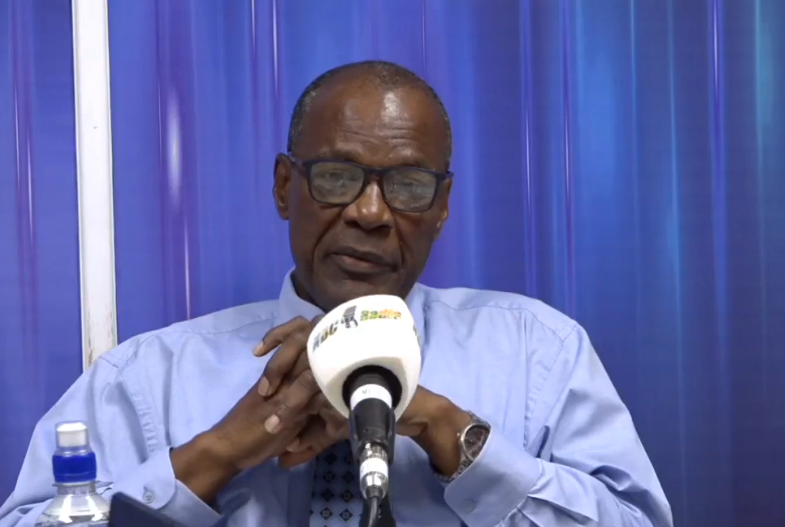
In a recent live broadcast on NBC Radio, Daniel Cummings, the Minister of Health, addressed the severe water shortage currently plaguing St. Vincent and the Grenadines. While the mainland is experiencing manageable reductions in water supply, the situation in the Grenadines has been declared an absolute crisis.
The islands of the Grenadines, which lack natural streams and significant groundwater, traditionally rely heavily on rainwater harvested from roofs. However, a combination of significantly reduced rainfall last year and recent severe damage—which destroyed many homes, roofs, and the guttering systems necessary to channel water into storage tanks—has devastated the local water supply. Some public catchment systems and storage tanks were also damaged or polluted, and crews are currently working to clean and sanitize them in preparation for the rainy season.
To combat this emergency, the Central Water and Sewerage Authority (CWSA) is actively transporting water via rented vessels and trucks to the Grenadine islands, an exercise minister Cummings described as “putting out fires” due to its high cost and logistical limitations. Bottlenecks have occurred due to a lack of available vessels, prompting the government to explore the use of floating barges towed by small tugboats.
Furthermore, the CWSA is deploying dedicated personnel to each island to closely monitor distribution and ensure equitable access, adjusting the frequency of shipments based on community needs. Despite the immense financial cost of shipping water, Cummings emphasized that “no price is too high” because “water is life”.
Relief efforts vary across the archipelago:
- Mayreau: The Mustique Company recently assisted the island by installing a small, functioning desalination plant.
- Canouan: The local resort, which typically assists the community with water from its own desalination plants, is currently facing internal supply issues and is limited in its capacity to help.
- Union Island: A privately built desalination plant is expected to be commissioned shortly, though water will initially need to be transported across the island by tanker trucks due to a lack of distribution infrastructure.
- Bequia: The island is experiencing severe shortages. Although the Italian government offered a desalination plant over seven years ago, the project stalled; however, the CWSA is now actively pursuing it as a short-term initiative.
Addressing the historical failure to build adequate infrastructure, Minister Cummings announced an impending $53 million investment to overhaul the water systems in the Grenadines. These plans, which were originally conceptualized in the early 2000s when Cummings served as the General Manager of the CWSA, will utilize modern solar technology. By harnessing solar energy, the islands will be able to power desalination processes and pump water into elevated storage tanks more affordably and sustainably, allowing for gravity-fed distribution even when the sun is not shining.
Cummings noted that establishing a reliable water supply is a top health priority. He pointed out that residents of the Grenadines suffer proportionately higher rates of renal failure, suggesting a potential link to poor water quality that requires further formal study.
On the mainland, the situation is strained but not considered a crisis. Mainland water relies exclusively on river flows, which have been heavily reduced due to diminished rainfall and the lingering loss of mountain vegetation resulting from the volcanic eruption of La Soufrière.
To manage the reduced yield, the CWSA has implemented rationing protocols to allow reservoirs to recharge, ensuring all areas receive water at some point during the day. Cummings urged mainland residents to practice discipline, avoid wasting water, and implement home storage solutions so they have reserves during shut-off periods.
Alongside the Grenadines project, the government is initiating vital upgrades on the mainland. Planned developments include infrastructure to replace lost surface water in North Windward, new treatment plants in Perseverance, and long-overdue upgrades to the Hermitage system in North Leeward. The Port Authority is currently bolstering its engineering team to design and install these comprehensive distribution networks to secure the nation’s water future.