

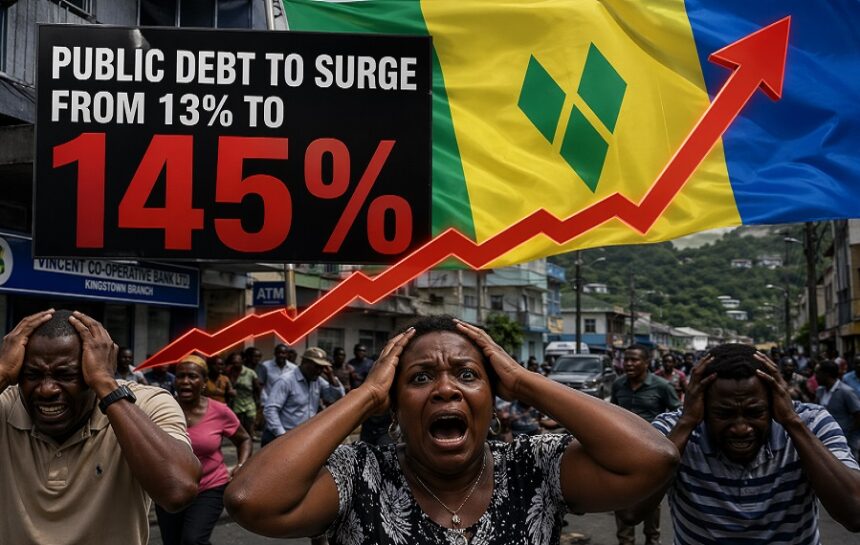
Following the 2026 IMF and World Bank spring meetings, St. Vincent and the Grenadines is confronting an “unsustainable” public debt trajectory that requires immediate corrective policy action. Without intervention, the nation’s public debt is projected to surge from 13% of GDP to approximately 145% of GDP over the medium term.
This stark economic outlook was detailed by the nation’s Prime Minister Godwin Friday, who noted that the 2026 budget envisions a deficit of roughly 19% of GDP, though execution constraints may reduce the actual outturn to around 11%. The severe constraint on the country’s fiscal space is the result of a “triple threat”: post-pandemic scarring, successive climate disasters, and a renewed cost-of-living shock driven by rising oil and food prices. These factors have been exacerbated by the cumulative impact of several large, front-loaded capital projects.
To stabilize and reverse this alarming trend, the IMF and World Bank have recommended an ambitious cumulative improvement in the primary balance of approximately 11 percentage points of GDP over a three-year period. This significant adjustment aims to achieve and maintain a primary surplus of around 3% of GDP, safeguarded by explicit social spending floors to protect the most vulnerable.
In response, the government is drafting a “credible rules-based homegrown reform program”. On the expenditure side, priority actions include reducing capital spending to around 5% of GDP, focusing exclusively on projects that deliver clear returns in growth, resilience, or climate adaptation. The government also plans to address wage bill pressures through natural attrition and disciplined hiring practices.
Rather than raising tax rates, the government’s fiscal strategy targets revenue generation through base broadening and administrative efficiency. Officials highlighted that property tax compliance currently sits at a mere 20%, representing the country’s single largest untapped domestic revenue source. Additionally, VAT reforms will seek to expand coverage to digital and cross-border services while replacing discretionary tax concessions with a more transparent statutory framework.
