
How Adventist Pioneers Primary School Put Richland Park on the Map
The recent achievement of Adventist Pioneers Primary School in producing the top performer in the Caribbean Primary Exit Assessment (CPEA) has brought national recognition to the small rural community of Richland Park in St. Vincent and the Grenadines. While this outstanding accomplishment deserves celebration, it is also an opportunity to reflect on a remarkable story that began more than eighty years ago—a story of faith, sacrifice, community spirit, and the transformative power of Christian education.
Before 1945, there was no school in Richland Park. Children from the village walked more than a mile over rough, stony roads to attend the government primary school in Mesopotamia. For young children, the daily journey was difficult. Recognising this need, a small group of newly converted Seventh-day Adventist believers established a school within the village. Although many of these early pioneers had received only a primary education themselves, they understood that education was the key to improving the lives of future generations.
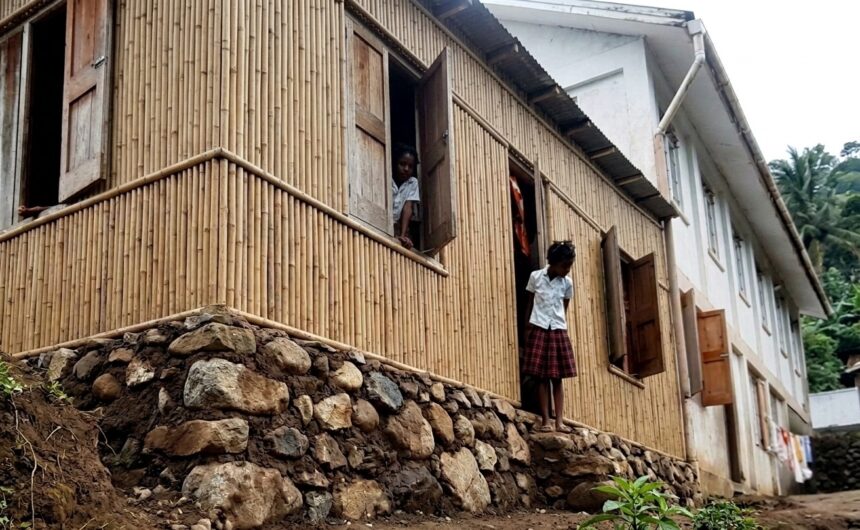
The school began humbly in the home of Joseph and Alice Bacchus before moving several times over the years, including to the church building and the well-known Bamboo School. Despite limited resources, the founders remained committed to their vision, laying the foundation for what has become one of the country’s most respected primary schools.
The contribution of these pioneers deserves greater recognition. According to the Early Pioneers Sub-committee, thirty-one individuals were officially recognised for their role in establishing and sustaining the school. Based on the author’s historical and genealogical research, twenty-one of these pioneers were descendants of Indian indentured labourers. This important finding demonstrates the major role that descendants of Indian immigrants played in developing Christian education in Richland Park.
Their contribution reflects a broader pattern within the Indian community of St. Vincent and the Grenadines. Descendants of indentured labourers became church leaders, teachers, business owners, community builders, and advocates for education. Through their vision and sacrifice, they helped create institutions that benefited the wider Vincentian society.
As the primary school grew, another educational challenge emerged. Students who completed primary education often had limited opportunities to continue their studies. At the time, the principal option for secondary education was in Kingstown, approximately eleven miles away. Admission was competitive and transportation costly for rural families.
The establishment of Mountain View Adventist Academy transformed those opportunities. Located within the Mesopotamia Valley, the Academy enabled graduates of the Richland Park school to continue their education much closer to home. This educational pathway helped many young people qualify for university studies and professional careers.
The results of that vision can be seen in generations of graduates who became physicians, educators, pastors, scientists, nurses, business leaders, and other professionals. Distinguished physician such as Dr. Gideon Lewis and Dr. Alban Bacchus are among those whose educational journey began in Richland Park.
The story also reminds us of the historic contribution that religious organisations have made to education throughout St. Vincent and the Grenadines. Churches established schools in many communities where none previously existed, combining academic excellence with moral and spiritual development.
The recent CPEA success therefore represents far more than an examination result. It is the harvest of seeds planted by humble men and women who believed that education could transform lives. The decision to rename the institution Adventist Pioneers Primary School fittingly honours those visionaries whose legacy continues to shape new generations.
For readers in India and across the global Indian diaspora, the story of Richland Park demonstrates that descendants of Indian indentured labourers contributed not only to agriculture and commerce but also to education, religion, and nation-building. From a village where children once walked long distances along stony roads to attend school, Richland Park has become a symbol of educational excellence and the enduring power of faith, community, and education.