

In a detailed legal breakdown on the radio program “OMG in the morning,” prominent attorney Jomo Thomas described the ongoing election petition case as “probably the most important constitutional matter since independence,” emphasizing that its outcome will redefine who is eligible to serve in the nation’s legislature and executive branches.
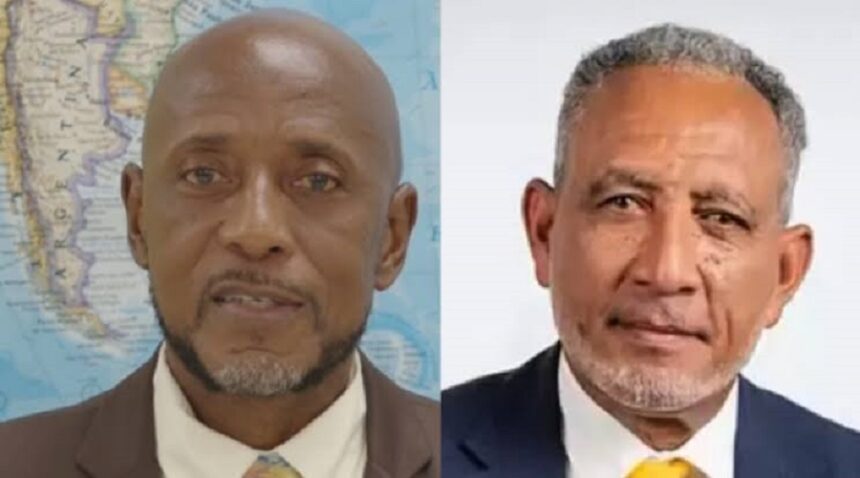
The case, currently being heard by Justice Tom in the High Court, centers on the eligibility of Dr. Friday and Mr. Bramble to hold office. Both men have admittedly held Canadian citizenship and Canadian passports. Thomas explained that the central legal question is the effect of these ties under Section 26(2) of the Constitution, which stipulates that anyone bearing allegiance to a foreign power is ineligible to contest elections.
Thomas noted that while public discourse often focuses on political performance or the timing of the challenge, these are not the issues before the court. “The issue… is whether these men were eligible to be elected to the parliament of St. Vincent and the Grenadines,” Thomas stated.
As the trial reached the end of its second day, Thomas reported that the proceedings had become “testy” during arguments over expert evidence. A significant legal battle erupted when the petitioners’ lead counsel, Senior Counsel Stuart Young, attempted to have an expert witness “amplify” her report and comment on the expert report submitted by the respondents.
This move was “forcefully” opposed by Senior Counsel Anand Ramlogan, representing the respondents. Ramlogan argued that the petitioners were attempting to “get in evidence through the back door” after failing to present sufficient evidence in their initial case. He further contended that the petitioners’ submission did not constitute a proper expert report but was merely a statement of Canadian law.
The presence of prominent foreign attorneys, including Senior Counsels from Trinidad and an attorney from St. Lucia, has sparked public debate. Thomas defended the use of “imported” lawyers, explaining that when stakes are this high, parties seek the “best legal ability and skill and experience money can buy”.
He noted that while local attorneys like Zinga Horne and Zita Barnwell are actively involved and gaining valuable experience, the complexity of election petitions often requires specialized expertise. Thomas also clarified that because the respondents are being sued as individuals, the state might not be responsible for all their legal fees, though it would likely cover costs for the returning officers involved.
Thomas admitted his own perspective on the case has shifted over time, moving from a belief that it was an “open and close case” against the candidates to a more “agnostic” view that the case is now “wide open”.
Regardless of the High Court’s initial ruling, Thomas is certain the matter will be appealed, noting that the case will ultimately be decided by the Court of Appeal. He stressed that achieving constitutional clarity is a vital investment for the country’s future. “If we get clarity on the constitution… we can’t put a price to that,” Thomas concluded.
