


As St. Vincent and the Grenadines navigates a complex financial landscape, tourism and construction have emerged as the primary engines holding the nation’s economy together in the post-COVID era.
Following the conclusion of the 2026 Article IV mission to St. Vincent and the Grenadines, the International Monetary Fund (IMF) highlighted that these two sectors have remained remarkably resilient, even as the initial post-pandemic economic rebound has begun to fade. According to IMF Mission Chief , national economic growth moderated to a steady 3.7% in 2025, buoyed heavily by the sustained strength of both the tourism and construction industries.
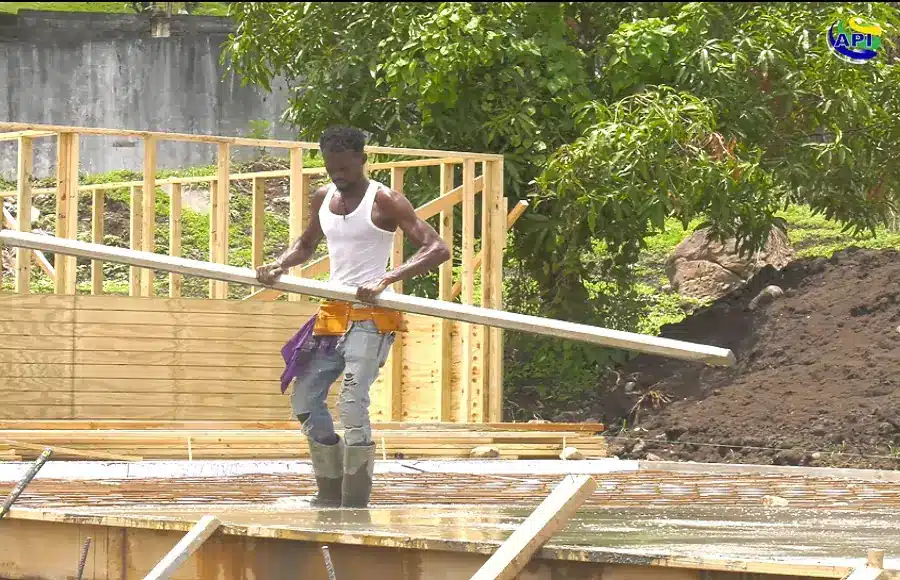
The construction boom has been largely driven by vital post-disaster rebuilding efforts and large-scale infrastructure projects. Meanwhile, Prime Minister Dr. Godwin Friday noted that tourism has experienced “considerable growth in the past two or three years,” cementing its status as a key productive sector for the country’s ongoing recovery.
However, this economic lifeline has also brought unique fiscal complications. The heavy reliance on these sectors contributed to a widening of the current account deficit, which reached 20% of GDP in 2025. The IMF attributes this deficit increase primarily to a surge in construction-related imports and the increased repatriation of profits by hotels, despite the overarching strong performance of the tourism sector.
To maximize the local benefits of this sector-driven growth, the government is overhauling its educational and training sectors to address a critical mismatch in the labor market.
Despite the boom in construction and tourism, the country faces a youth unemployment rate of 18% to 19%, forcing employers to bring in workers from overseas to complete local projects. In response, the government has pledged to implement labor market reforms that include expanding vocational training and creating targeted training programs specifically tailored to meet the demands of the tourism and construction industries.
As the country looks to stabilize its rising public debt and navigate global shocks like high oil prices, Prime Minister Friday has doubled down on an economic strategy that places the private sector at the forefront of development. By prioritizing productive investments in tourism, alongside agriculture and the blue economy, the administration aims to generate the sustainable growth necessary to steer the country out of its current fiscal vulnerabilities.