


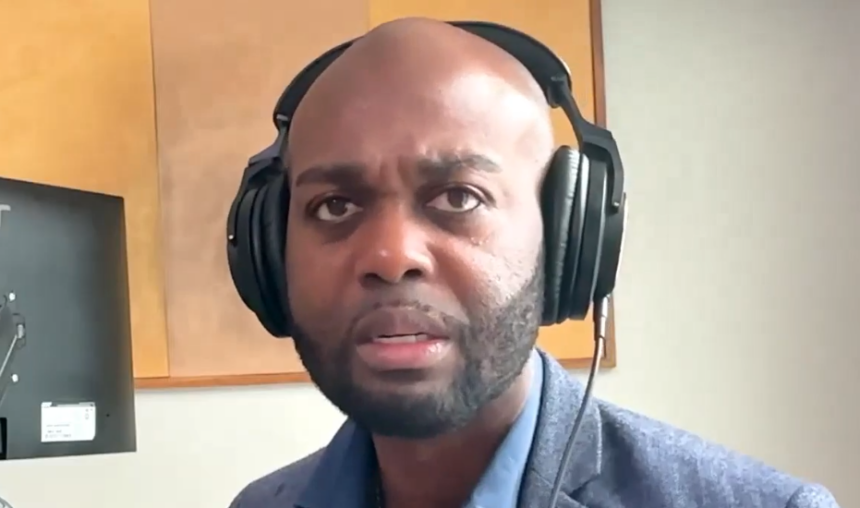
St. Vincent and the Grenadines’ Minister of Tourism has outlined the government’s strategic approach to attracting investment while maximising the economic benefits for local communities.
Addressing tough questions on foreign tax concessions, the financial reality of the cruise port, and the critical need for infrastructure, the Minister detailed a vision intended to transform the nation’s “immature” tourism product into a highly profitable economic engine.
When discussing the development of the tourism sector, the Minister emphasized that while finding local investors is the ideal scenario, relying on external and foreign investors is a necessity to secure development capital.
However, the conversation quickly turned to the controversial nature of foreign investment deals, addressing the criticism that massive tourist operations often extract the majority of the wealth, leaving only a fraction in the host country.
The Minister acknowledged that the state must learn from past negotiations, but he strongly defended the broader economic impact of large-scale resort investments in places like Mustique and Canouan. He argued that economic returns cannot be measured purely by direct tax revenues, noting that these foreign investments generate massive employment opportunities, paying millions of dollars to local workers every month.
Despite this, the Minister made it clear that he does not agree with businesses receiving permanent tax exemptions. He guaranteed that under the current government, any future partnership negotiations such as a new deal with mega-resorts like Sandals will be tightly negotiated to ensure “mutual benefits”. The state is prepared to use its discretion to avoid overly generous concessions if an agreement does not tremendously benefit the country.
A significant portion of the government’s economic strategy hinges on the restructuring of the cruise ship terminal. The Minister provided a stark look at the port’s recent financial history, revealing that the government spent over $15 million EC on the facility over the last five years, yet it only generated a profit of $266,000 in a single year (2023).
Faced with a choice between taking out more national loans or seeking foreign investment, the government chose the latter, deciding that public funds should be preserved for critical social services like healthcare, education, and road improvements rather than port maintenance.
To achieve this, the government has partnered with Global Port Holdings (GPH), a company bringing both capital and a wealth of experience to modernize the struggling facility. GPH will invest over $55 million EC in the initial phase alone to develop infrastructure, renovate the terminal, and improve pedestrian walkways into Kingstown.
Beyond large-scale macro-investments, the Minister highlighted an urgent need to improve the micro-economy of local tourism. Currently, St. Vincent operates on the extremely low end of passenger spending, with an average mainland spend of just $59 per passenger—one of the lowest figures in the region.
The Minister attributed this low spending to a lack of developed products and outdated local payment infrastructure. He pointed out that modern tourists rely on digital transactions, but because many local vendors and sites lack the capability to process cards or Apple Pay, significant economic opportunities are lost.
To ensure the economic windfall of tourism reaches local citizens, the Ministry negotiated a strict provision requiring GPH to invest directly into local tourist sites. By doing so, the government hopes to foster genuine community tourism so that everyday citizens, from North Windward to North Leeward, will actually feel the financial benefits of the country’s tourism development.