

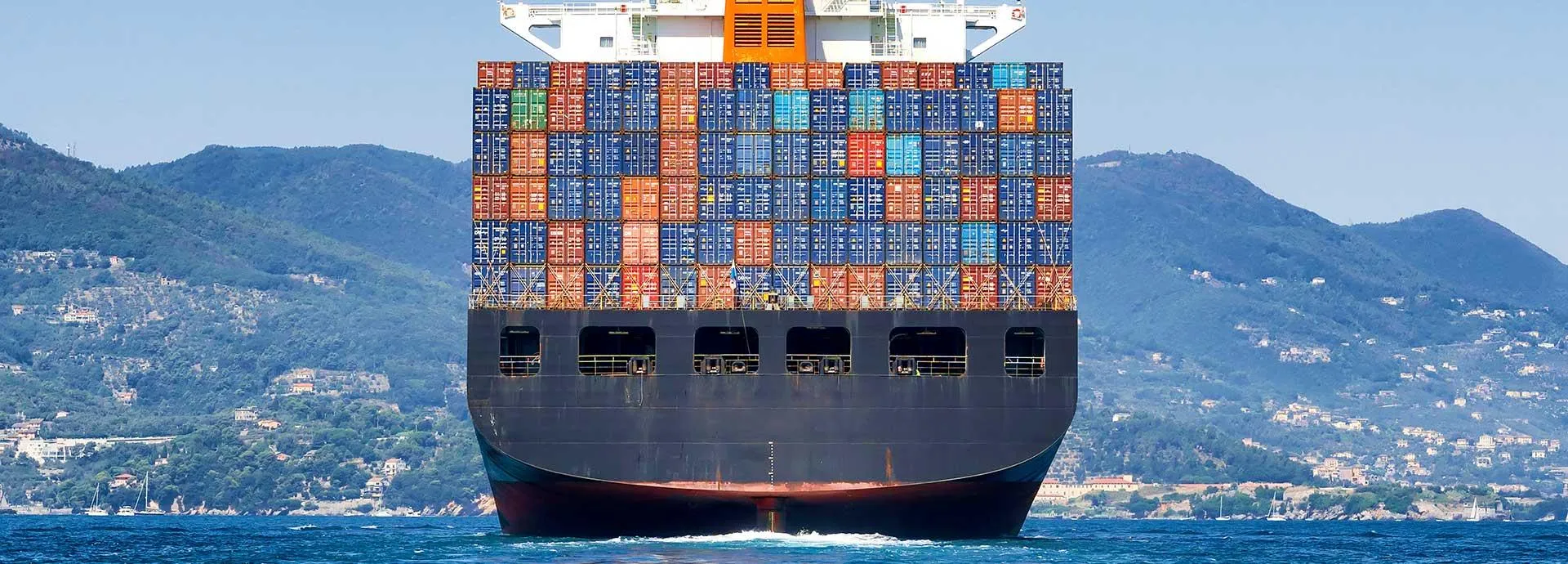
Distant Ports Cost Less Than Neighbouring Islands
In the world of global logistics, distance is rarely the primary driver of cost, and nowhere is this more apparent than in the Caribbean.
Consider this: it costs more than double to ship a 40-foot container from Miami to the nearby Bahamas, just 144 kilometres away, (3,800) than it does to ship the same container all the way to Shanghai, China (1,600).
According to ECLAC’s 2024 International Trade Outlook, this isn’t a fluke: it’s a widespread problem affecting most ports across the Caribbean.
This post breaks down the surprising reasons behind this “Caribbean Freight Paradox” and what it means for the region.
The staggering cost difference between shipping to the Bahamas versus Shanghai highlights a fundamental truth: maritime freight pricing isn’t a simple calculation of distance.
This counterintuitive reality is a symptom of deeper structural issues within the region’s logistics network.
In fact, ECLAC estimates that shipping a container from Miami to some Caribbean destinations can be up to four times more expensive than sending it to distant ports in Argentina, Uruguay, or even China.
The high costs are driven by a combination of interconnected challenges in Caribbean maritime logistics.
Outdated Ports: Much of the region’s port infrastructure struggles to handle modern, larger vessels. This limitation reduces the volume of cargo that can be moved at one time, leading to higher operational costs per container.
Infrequent Service: Routes often have limited frequencies, with some ports only receiving weekly service. This makes it difficult to efficiently consolidate cargo, a problem that is especially damaging for perishable goods that require timely transport.
The Liner Shipping Connectivity index reflects this, showing that Caribbean nations—with the exception of Jamaica and the Dominican Republic—score significantly below regional averages.
Concentrated Market: The shipping market is dominated by a few major lines. This lack of competition, combined with routes that often see ships returning north empty, further inflates the costs passed on to customers.
These logistical inefficiencies are not abstract problems; they translate directly into economic hardship, making the Caribbean the most expensive region in the world for a healthy diet. Specifically, the daily cost for a healthy diet in the region stands at $5.16.
The Caribbean’s freight paradox, a complex problem rooted in issues of scale, infrastructure, and market dynamics, has long stifled economic growth and food security.
Now, a potential solution is taking shape: the Barbados-Guyana regional food distribution hub, a critical infrastructure project currently under construction and slated for completion in 2026.
Will this new hub be enough to finally solve the Caribbean’s freight paradox and improve food security for millions?
