Category: National

  • Law Enforcement Urged to Seek Help Without Shame

    Law Enforcement Urged to Seek Help Without Shame

    A police officer can report for duty, respond to calls, make difficult decisions, deal with tragedy and still tell everyone, “I am good.” That does not always mean that everything is good.

    That reality was at the centre of “Protecting Our Protectors: Understanding Suicide and Mental Health in Law Enforcement,” a symposium hosted by the Royal St. Vincent and the Grenadines Police Force on Thursday, September 24, 2026, at the St. Vincent and the Grenadines Mission of Seventh-day Adventists Headquarters Auditorium, Old Montrose.

    The symposium formed part of the Force’s observance of Suicide Prevention Awareness Month and brought together psychologists, counselling professionals, law-enforcement personnel, senior officers and other partners for a focused discussion on the mental and emotional pressures associated with policing. For the RSVGPF, the significance of the initiative extends beyond one afternoon. Police officers routinely encounter violence, death, serious accidents, domestic conflict, grieving relatives, frightened victims and people experiencing some of the most difficult moments of their lives. They are nevertheless expected to remain composed, exercise sound judgement, manage conflict and return to duty ready for whatever comes next.

    The symposium created an official space for the organisation to acknowledge that those experiences can carry a human cost and that protecting the wellbeing of police personnel is directly connected to protecting the strength and effectiveness of the organisation itself.

    “We cannot afford to treat this casually”

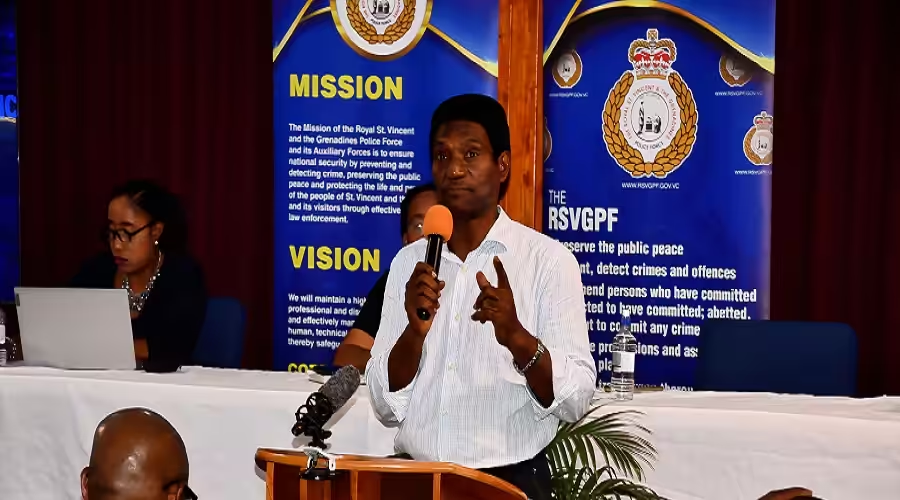
    In brief remarks, Acting Commissioner of Police Mr. Trevor Bailey made clear that the mental and emotional wellbeing of police officers is not an issue the organisation can afford to treat casually.

    He noted that policing demands composure, discipline and judgement under pressure, while exposing officers to circumstances that may remain with them long after a shift has ended.

    The Commissioner cautioned against assuming that an officer who says, “I am good,” necessarily has nothing more to say. He encouraged greater attention when persons begin to withdraw, when behaviour changes, when performance shifts or when there are other indications that something may be wrong. His message on stigma was equally clear. “There should be no shame attached to asking for help.”

    Commissioner Bailey said mental health affects the people within the organisation, decision-making, operational effectiveness and ultimately the quality of service delivered to the public.

    He also stressed that a healthy police organisation cannot be built solely around vehicles, equipment, training and operations. It must also be built around healthy people.

    “If we expect our officers to protect the public, then the organisation must also take seriously its responsibility to protect the wellbeing of its officers.”

    The Commissioner described the symposium as part of a wider conversation about strengthening the RSVGPF from within and encouraged the organisation to continue learning from research, professional expertise and approaches that can improve the support available to personnel.

    Assistant Commissioner of Police (Ag.) Mr. Brenton Smith, responsible for Crime and Human Resource Management, also addressed the symposium, noting the importance of taking mental health seriously within an organisation whose members are regularly exposed to difficult and emotionally demanding situations.

    He spoke to the need for greater understanding around the pressures officers carry and the importance of creating an environment where persons feel able to seek help when they need it.

    His remarks also reinforced the wider message of the symposium: that mental wellbeing should not be treated as a private weakness or an issue to be hidden, but as something the organisation must be prepared to acknowledge openly and address responsibly.

    He encouraged officers to look out for one another and to recognise that strength does not mean ignoring the effect that stress, trauma or personal challenges can have over time.

    The symposium featured four presentations, each examining a different part of the mental-health conversation within law enforcement.

    Dr. Jozelle Miller, Clinical Health Psychologist, addressed “The Accumulated Weight of the Job: Trauma, Grief, Hypervigilance and Recovery in Law Enforcement.”

    The topic drew attention to an important reality of policing. The challenge is not always one extraordinary incident. Sometimes it is the accumulation of many difficult experiences over months or years. Understanding that cumulative effect is important to recognising distress earlier, supporting recovery and reducing the tendency to dismiss emotional strain simply because difficult experiences are considered part of the job.

    Dr. Kevan Glasgow, Psychologist, presented on “The Silent Load: Stress, Masculinity, Help-Seeking and Mental Health in Law Enforcement.”

    The subject was particularly relevant to a profession in which strength, composure and self-reliance are highly valued. For law enforcement, encouraging strength cannot mean creating an environment where people believe they must remain silent when they are struggling. Reducing stigma around help-seeking does not lower professional standards. It can help officers remain healthy enough to meet them.

    Pastor Edward Smith, an ordained pastor and Counselling Psychologist, presented “Strength, Faith and Seeking Help: Supporting Mental and Emotional Wellbeing in Law Enforcement.” His topic added another dimension to the discussion by examining faith, emotional wellbeing and seeking professional or personal support as responses that can work together rather than being treated as opposing choices.

    Corporal Elroy Quammie, a member of the RSVGPF attached to the National Prosecution Service, Office of the Director of Public Prosecutions, addressed “Carrying Other People’s Trauma: Witness Care, Emotional Exposure and the Hidden Burden on Law Enforcement Personnel.” His topic highlighted an area that can easily be overlooked.

    Police officers and other criminal-justice professionals do not simply handle files and investigations. They repeatedly listen to experiences of violence, abuse, fear, grief and loss. Understanding how that exposure can affect the professionals providing assistance is another part of building healthier and more sustainable systems of support.

    The presentations were followed by a moderated round-table discussion and audience questions, led by Station Sergeant Stephen Billy, giving participants an opportunity to examine the issues collectively and consider how they apply to the realities of policing in Saint Vincent and the Grenadines.

    The significance of Protecting Our Protectors is not that one symposium can solve every mental-health challenge associated with policing. It cannot. Its importance lies in what it represents.

    It places mental health and officer wellbeing on an official organisational platform. It allows police personnel to hear directly from professionals. It challenges stigma. It encourages officers to pay closer attention to themselves and to one another. Most importantly, it acknowledges that caring for the people who police the country is part of caring for the organisation itself. Changing culture takes time.

    It requires education, leadership, appropriate support systems and repeated conversations that make it easier for someone to say, “I need help,” and easier for another person to recognise that those words deserve a serious response. The symposium therefore represents a step in a wider process, not the end of one.

    The RSVGPF expresses sincere appreciation to the organisations, businesses and individuals whose support contributed to the success of the symposium and the wider September activities.

    Special appreciation is extended to the St. Vincent and the Grenadines Mission of Seventh-day Adventists for its support and for facilitating the use of the Mission Headquarters Auditorium.

    The Force also acknowledges Right Stuff, Mr. Rohan D. Freitas, Forestry Services, and Police Headquarters, including the Administration Department through Assistant Commissioner of Police Hesran Ballantyne, for the assistance extended to the initiative.

    The RSVGPF further recognises the support of its High Command and senior ranks, whose involvement helped reinforce the importance being placed on the wellbeing of personnel throughout the organisation.

    Appreciation is also extended to the Ministry of Health and personnel of the Health Promotion Unit for their partnership and support during the wider programme of activities associated with the month.

    The Force is equally grateful to the presenters, organisers, support personnel and all those who contributed their time, professional expertise and resources to make the symposium possible.

    The September activities were expected to culminate with the Suicide Prevention and Prostate Cancer Awareness Wellness Walk on Saturday, September 26, 2026.

    However, the activity was postponed as a result of operational demands requiring the attention and deployment of police personnel and other members of the national-security community. The RSVGPF thanks all partner agencies, officers and members of the public who had expressed an interest in participating.

    Commissioner Bailey closed his remarks with a message that captures the wider purpose of the initiative:

    “What begins here today should not end when we leave this auditorium. The conversation must continue, and so must the work.”

    For the Royal St. Vincent and the Grenadines Police Force, Protecting Our Protectors is a recognition that behind every rank, every uniform and every responsibility is a person. And strengthening the organisation must include strengthening the people who serve within it.


  • Modern port operations announce rate increase from October 1

    Modern port operations announce rate increase from October 1

    The St. Vincent & the Grenadines Modern Port Operations Company (MPOC) has issued a public notice advising that updated parking rates will take effect across its facilities on October 1, 2026.

    The adjusted fee structure applies to regular parking, covered parking, trucks and heavy vehicles, as well as overnight parking.

    According to the official notice released by MPOC, the revised parking charges are structured as follows:

    • Regular Parking: The hourly rate will rise to $2.50 per hour (previously $2.35 per hour). The daily rate is set at $12.50 per day, and the monthly rate is $237.50 per month.
    • Covered Parking: Rates are established at $3.00 per hour, $15.00 per day, or $285.00 per month.
    • Trucks / Heavy Vehicles: Fees for heavy transport and commercial trucks are set at $3.00 per hour, $15.00 per day, or $285.00 per month.
    • Overnight Parking: Stays extending overnight will be charged a flat fee of $20.00 per night.

    MPOC expressed gratitude to the public for their understanding and continued patronage as the new pricing structure comes into force.

    Facility management indicated that members of the public seeking additional information or inquiries regarding port parking can contact management directly or visit the company’s official website at www.mpocsvg.com.

  • PAS Cargo USA Announces Peak Season Surcharge

    PAS Cargo USA Announces Peak Season Surcharge

    Shipping provider PAS Cargo USA has announced the upcoming implementation of a Peak Season Surcharge (PSS) on ocean shipments moving between the United States and all Caribbean ports.

    While ocean carriers across the shipping industry announced peak surcharges effective October 4, 2026, PAS Cargo USA is delaying its implementation date until October 25, 2026. According to the company, this delay is designed to provide customers with extra lead time before the higher rates take effect. The surcharge will remain active through March 7, 2027.

    The fee will be assessed across all open tariff and service contract rates, applying to both Full Container Load (FCL) and Less Than Container Load (LCL) shipments.

    The additional charges are structured as follows:

    • 20FT Standard Container: US$250.00
    • 20FT Reefer Container: US$300.00
    • 40FT Standard Container: US$500.00
    • 40FT Reefer Container: US$600.00
    • 45FT Standard Container: US$563.00
    • Less Than Container Load (LCL): US$0.31 per cubic foot, with a minimum charge of US$5.00
  • Opposition says Beryl victims being pushed out of govt shelters

    Opposition says Beryl victims being pushed out of govt shelters

    Serious concerns are being raised across Saint Vincent and the Grenadines regarding the state of the national housing sector, as post-disaster recovery efforts stall, state assistance declines, and displaced storm victims face eviction from government shelters.

    During recent public and parliamentary deliberations, commentators highlighted that state support for housing assistance has become almost non-existent due to insufficient funding allocations. The Minister of Housing reportedly admitted in Parliament that estimates approved in the national budget were inadequate to handle the scale of repair and recovery required following Hurricane Beryl and the volcanic eruption.

    Critics contend that decision-makers slashed the housing budget despite knowing the full magnitude of the disaster damage.

    The housing crunch is acutely affecting displaced citizens residing in state-run emergency shelters across both the mainland and the Grenadines, including facilities in Buccament, Barrouallie, Rillan Hill, and Union Island. Reports indicate that shelter occupants are receiving notices from officials instructing them to vacate government accommodation immediately.

    Although these displaced residents were previously assured that their homes would be repaired or rebuilt by the state, visiting officials have informed them that the government cannot provide building materials or housing construction support. Public commentators called on the National Emergency Management Organisation (NEMO), the Ministry of Housing, and the Ministry of Social Welfare to address the matter transparently and assist with proper relocation rather than quietly forcing vulnerable families out.

    Radio discussions also pointed to a major reduction in state home construction rates. Under the current administration, home construction has reportedly slowed to an average of just two houses per quarter per constituency.

    This marks a steep decline from previous housing programs, which delivered over a dozen home repairs per week and a dozen new constructions per month in some constituencies, alongside targeted low- and no-income housing projects to resolve informal settlements across the islands.

  • SVG SDA Church to host PARL congress from Oct. 7th

    SVG SDA Church to host PARL congress from Oct. 7th

    The Public Affairs and Religious Liberty (PARL) department of SDA representing Tobago, Grenada, and St. Vincent, has announced the PARL Congress St. Vincent, scheduled to take place from October 7th to 10th, 2026.

    Organized around the core pillars of Faith, Advocacy, Justice, and Freedom, the congress carries the theme “Upholding Dignity and Religious Liberty for All”. The initiative promotes the slogan “Building stronger communities through faith, influence and action,” anchored by the scripture Proverbs 2:6: “For the Lord gives wisdom; from His mouth come knowledge and understanding”.

    The four-day program includes spiritual services, educational symposiums, and a public march across multiple venues:

    • Wednesday, October 7, 2026:
      • Opening Ceremony — 6:30 p.m. at Kingstown SDA Church.
    • Thursday, October 8, 2026:
      • Symposium and Advisory — 9:00 a.m. at SVG Conference Room.
    • Friday, October 9, 2026:
      • Tour — 9:00 a.m..
      • Vespers — 7:00 p.m. at Belmont SDA Church.
    • Sabbath Morning, October 10, 2026:
      • Convention — 9:00 a.m. at Amazing Grace SDA Church.
    • Sabbath Afternoon, October 10, 2026:
      • March and Rally — 3:30 p.m. proceeding from E.T. Joshua Tarmac to Heritage Square.
  • Francis 25-year tenure comes to an end at GECCU

    Francis 25-year tenure comes to an end at GECCU

    Danny-Lee Francis, Marketing and Communications Manager at General Employees Co-operative Credit Union (GECCU) has announced their departure from the position, with their official last day set for September 25, 2026.

    Reflecting on two and a half decades of service, the outgoing manager credited strong collaboration with fellow cooperators as instrumental to their shared achievements, including launching meaningful campaigns and securing memorable wins for the credit union.

    The position was highlighted as a career milestone built on dedication and organizational connection.

    To ensure full operational continuity across all marketing and communications initiatives, Ms. Lucinna Poyer, Marketing and Communications Assistant, will serve as the primary point of contact moving forward.

  • World Food Day comes alive for students on Agri tour

    World Food Day comes alive for students on Agri tour

    The activities commemorating World Food Day (WFD) 2026 continue!

    On Tuesday, thirty (30) students from Adelphi Secondary School, Thomas Saunders Secondary School and St. Vincent Girls’ High School participated in an educational field tour to three key facilities designed to showcase the role of innovation, technology and science in agriculture and food production.

    The tour began at the Meteorological Office, where they learned about the importance of weather information to agriculture, the control tower’s role and were also introduced to different weather instruments. They then proceeded to the Dumbarton Agricultural Station, where they were exposed to innovative approaches to livestock production, such as the preparation of alternative feed.

    The final stop was the Agricultural Biotechnology Centre, where students explored several technologies and practices being used to support modern agriculture. Presentations and demonstrations covered plant tissue culture, composting, drip irrigation and seedling production.

    The activity forms part of a month of activities dedicated to commemorating World Food Day. These activities are being spearheaded by the World Food Day Committee, which is headed by Chairman, Noel Samuel. World Food Day is observed annually on October 16th. This year, it will be celebrated under the theme: “Innovate today. Nourish tomorrow.”

  • SVG Affirms Deaf Rights as Fundamental Human Rights

    SVG Affirms Deaf Rights as Fundamental Human Rights

    The rights of deaf persons are not charitable gestures or favors to be granted at the state’s discretion; they are fundamental human rights that must be respected, protected, and upheld with unwavering resolve. This was the definitive mandate issued by the Minister with responsibility for persons with disabilities as St. Vincent and the Grenadines joined the global community on September 23 to observe the International Day of Sign Languages.

    In a national address, the Minister underscored that communication sits at the very heart of human existence, asserting that when a deaf person is denied information, it represents a systemic failure of society to remove barriers rather than any lack of ability within the individual.

    The nation’s progress in fostering inclusion is currently anchored by the dedicated work of the School for Children with Special Needs and the Sunshine School in Bequia. These institutions, alongside the National Society for Persons with Disabilities and various support organizations, have become crucibles of achievement. A significant milestone was championed during the address: two hearing-impaired students are currently navigating a rigorous academic journey to sit the Caribbean Secondary Education Certificate (CSEC) Examinations in 2027.

    “It reminds us of what can be achieved when students are given the necessary encouragement, accommodation and opportunity to succeed.”

    The Minister extended profound gratitude to teachers and caregivers, noting that the “CSEC journey” is fueled by the immense patience and creativity of educators who work far beyond the classroom. Parents and caregivers were specifically lauded as the “first teachers” and “strongest advocates,” whose sacrifices enable students to recognize their inherent worth and develop the confidence to pursue ambitious national standards.

    Celebrating the contributions of deaf and hard-of-hearing Vincentians who are currently employed or self-employed, the Minister argued that their success proves “disability is not inability.” The address issued a direct challenge to the private sector, insisting that a person must be assessed according to their skills, character, qualifications, and willingness to work, rather than being excluded based on their communication method.

    The government outlined several critical benefits of workplace inclusion as part of a broader national development strategy:

    • Promoting individual independence and self-sufficiency.
    • Dismantling systemic social barriers that hinder progress.
    • Demonstrating to the wider business community that inclusion is both feasible and economically beneficial.
    • Providing individuals with the dignity of supporting themselves and their families.

    Despite these strides, the Minister decried the persistent barriers that still plague critical sectors. Serious gaps remain in healthcare, public services, and, most urgently, national emergency responses. In the Caribbean context, the Minister warned that the absence of accessible information during natural disasters is a high-stakes failure that “places lives at risk.”

    Bridging these gaps is framed as a “shared national responsibility.” Vincentians are being urged to learn basic sign language as a practical act of respect. The Minister noted that even a few signs can welcome a neighbor into a space and begin the vital work of reducing the isolation that many deaf citizens face in their daily lives.

    To rectify communication inequities, the government is calling for the systematic integration of sign language interpretation into all national events, public education campaigns, and emergency broadcasts. Central to this policy shift is the global principle: “Nothing about persons with disabilities without their meaningful participation.”

    The Minister emphasized that it is a requirement, not an option, for deaf persons to be included in the discussions and decisions that affect their lives. By listening to their lived experiences, the state ensures that the policies, programs, and services intended for the community are shaped by those who hold the rights to them.

    Government Commitment and Closing Remarks

    The Ministry responsible for persons with disabilities has reaffirmed a high-level commitment to dignity, accessibility, and equality. Pledging to work alongside all stakeholders, the Minister vowed to continue addressing the structural barriers that prevent hearing-impaired citizens from achieving their full potential.

    The observance concluded with a powerful call to move “beyond words” and weave inclusion into the fabric of everyday Vincentian life. The Minister closed the address with a stirring recognition of the deaf community’s essential place in the national identity:

    “Your language, culture, experiences, and achievements form an important part of our Vincentian society. May this observance strengthen our commitment to a country where every person is treated with dignity, every right is respected and every individual is given a fair opportunity to contribute.”

  • SVG launches GCF readiness project for climate-resilient growth

    SVG launches GCF readiness project for climate-resilient growth

    Saint Vincent and the Grenadines is advancing climate-resilient development through the SVG-NAP Green Climate Fund (GCF) Readiness Project.

    From September 22–24, a three-day Project Development Training & Stakeholder Consultation Workshop is bringing together stakeholders to strengthen collaboration and support climate-resilient development in Saint Vincent and the Grenadines.

    Day 1 focused on understanding the GCF and identifying climate investment priorities for the coastal, marine, and tourism sectors.

  • IRD Staff Undergoes Customer Service Training

    IRD Staff Undergoes Customer Service Training

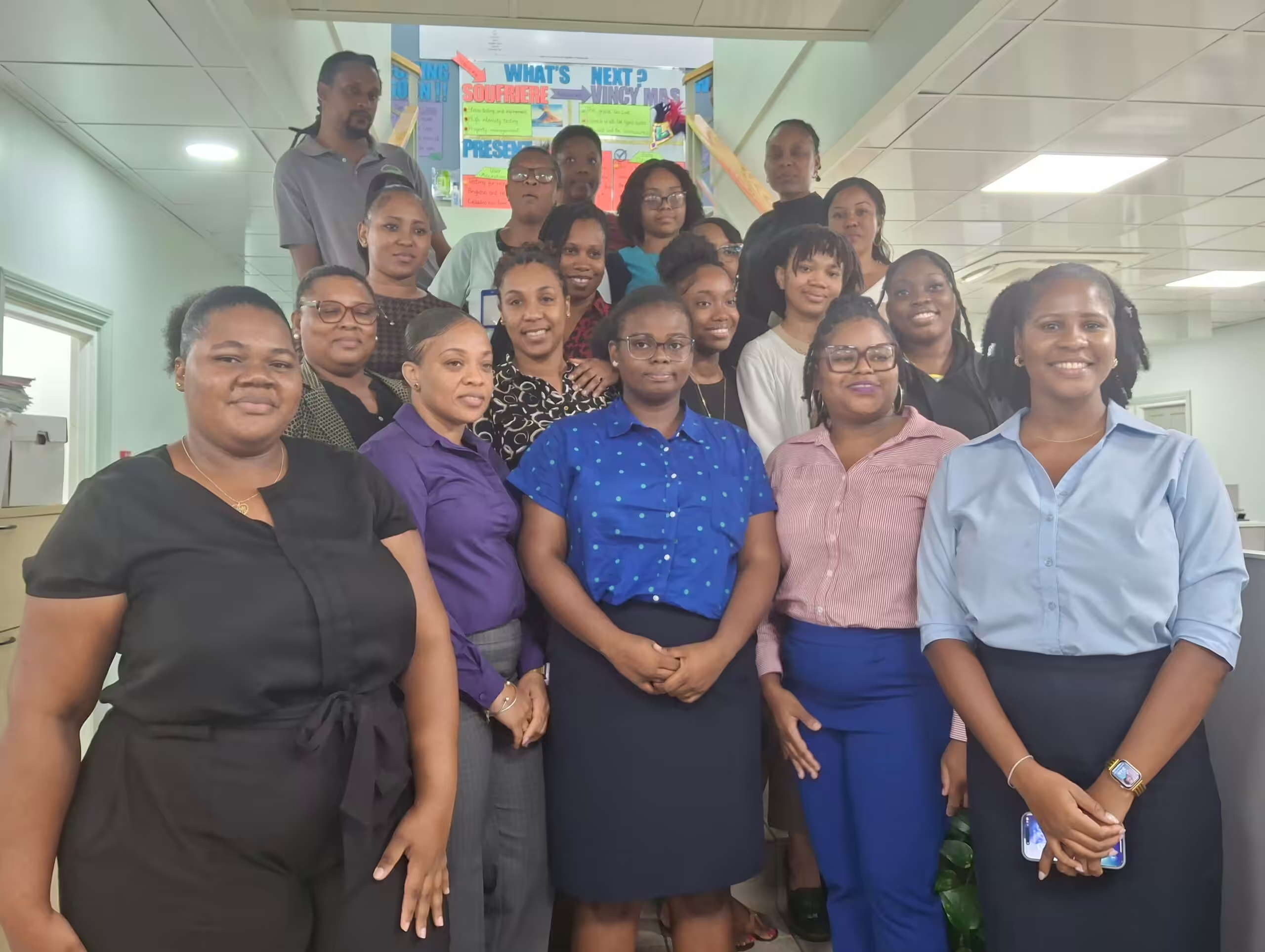
     The Inland Revenue Department (IRD) is taking steps to prepare its staff for the implementation of its new Tax Information Management System (TIMS) through targeted customer service training aimed at strengthening service delivery to taxpayers.

    The training, delivered by the Centre for Enterprise Development (CED) and facilitated by Business Consultant Gaidell Andrews, was designed to equip IRD officers with the knowledge, skills and mindset needed to provide high-quality customer service as the department transitions to the new tax system.

    The implementation of the new system is expected to bring changes to existing processes and procedures, as well as the way taxpayers interact with the Inland Revenue Department. The customer service training is therefore an important part of the department’s preparations, helping staff to communicate effectively, respond professionally and maintain high standards of service throughout the transition.

    Speaking on the initiative, IRD Senior Assistant Comptroller Helena Lucas, noted that excellent customer service remains central to their mission.

    “This Customer Service Workshop is an important part of the Inland Revenue Department’s preparation for the implementation of our new Tax Information Management System. It also supports our ongoing commitment to improving customer service here at the Inland Revenue Department.

    “While technology is important, we at the Inland Revenue Department also know that people remain at the centre of our operations. The effectiveness of our new system will depend not only on the technology, but also on how we communicate and interact with our taxpayers and with each other,” she stated. “Every interaction with the taxpayer is important — whether it is at the customer service desk, at the cash counter, through a telephone call or by email. It is through these interactions that we build confidence and trust.”

    Deputy Comptroller (Acting) Sherry Mason also underscored the lasting value of the training and encouraged staff to apply what they had learned in their daily interactions with taxpayers.

    “The knowledge and skills imparted to us are not just for these two days, but for the rest of our lives. All of us should be taking something away from this session, and I want us to make a commitment to put what we have learned into practice.

    “We are a customer-oriented department because we interact with taxpayers on a daily basis. When we interact with taxpayers, we are representing the department. Every interaction is an opportunity to build trust and strengthen the relationship between taxpayers and the department. So, let us give the highest level of customer service, as stated in our mission.”

    The two-day training covered a range of practical areas, including effective communication, handling difficult interactions, responding to taxpayer concerns with empathy, and maintaining service standards during periods of organisational and technological change.

    Keisha Phillips, Officer in Charge of the Centre for Enterprise Development, emphasised the importance of customer service within the public sector.

    “We truly appreciate the confidence the Inland Revenue Department has placed in us to deliver this training. Quality customer service is about more than simply responding to enquiries or resolving issues. It is about creating a positive experience, building trust, communicating clearly, listening with understanding, and treating every taxpayer with professionalism, courtesy and respect.”

    The training forms part of the Inland Revenue Department’s broader preparations for the implementation of the new Tax Information Management System, which is expected to improve efficiency, enhance compliance and simplify the taxpayer experience.

    Through continued investment in staff development, the Inland Revenue Department is strengthening its capacity to support taxpayers and deliver efficient, professional and customer-focused services as the department moves towards the new system.

  • BioHacking Event Comes to SVG

    BioHacking Event Comes to SVG

    WENCHAM SVG to host inaugural health and wellness event

    The World Chamber of Entrepreneurs for Economic Development (WENCHAM) Saint Vincent and the Grenadines Chapter will be hosting “BioHacking for Entrepreneurs and Professionals” on Saturday 17th October, 2026, at Comsport Sporting and Entertainment Facility, Arnos Vale.

    “BioHacking for Entrepreneurs and Professionals” is an innovative and interactive health and wellness fair, designed to help SVG’s entrepreneurs, professionals and individuals prioritize their health by evaluating their bodies, minds and habits in a fun way, while inspiring them to upgrade their lives.

    The event has already attracted its first business sponsor, Medicinal, a leading medicinal cannabis company.

    Event features will include health and wellness vendors promoting their products and services. Attendees will be able to sample and purchase a variety of products. There will also be food and beverage stalls and attractions.

    This will include fitness and movement demonstrations, mindfulness and recovery experiences, family-friendly activities and opportunities for participants to engage with local health and wellness professionals.

    The event will also create networking opportunities for entrepreneurs, professionals, businesses and organisations that support entrepreneurial growth. This will include a Business Opportunity Hub, connecting entrepreneurs with business-support and financial organisations, so attendees will have an opportunity to learn about services, programmes and initiatives designed to help them build stronger businesses and healthier lives.

    The key feature for BioHacking participants will be their BioHacking Passport, which will allow them to record their results as they move through the testing stations. Participants in the BioHacking experience will be eligible to win prizes and will have their passport as a souvenir to guide them on their future health journey.

    “BioHacking for Entrepreneurs and Professionals” was the brainchild of WENCHAM Member and Chairperson of the Events Committee, Dr. José Davy of Better Health Clinic, as an innovative way to encourage the business and entrepreneurial sector to take care of their health.

    According to Dr. Davy, “We want participants of this first BioHacking event to leave with practical information, new connections and a renewed understanding that their health is one of their most valuable business assets. Your health is your legacy.”

    “Entrepreneurs spend so much time building their businesses that they can sometimes forget to invest in the person doing the building,” said Kimya Glasgow, Founding President of WENCHAM SVG. “We are grateful to the Medicinal team for coming onboard and supporting this event.”

    WENCHAM is inviting organisations involved in health, wellness, finance, entrepreneurship and related fields to participate through sponsorship or by registering as vendors.

    WENCHAM is encouraging entrepreneurs and professionals to pre-register for their BioHacking Passports.

    The event is free to the public, and BioHacking Passports can be purchased from WENCHAM members and event partners.

  • RSVGPF Sergeant Joins Intl effort to combat AI-driven fraud

    RSVGPF Sergeant Joins Intl effort to combat AI-driven fraud

    RSVGPF OFFICER PARTICIPATES IN INTERNATIONAL CYBERCRIME AND AI FRAUD WORKSHOP

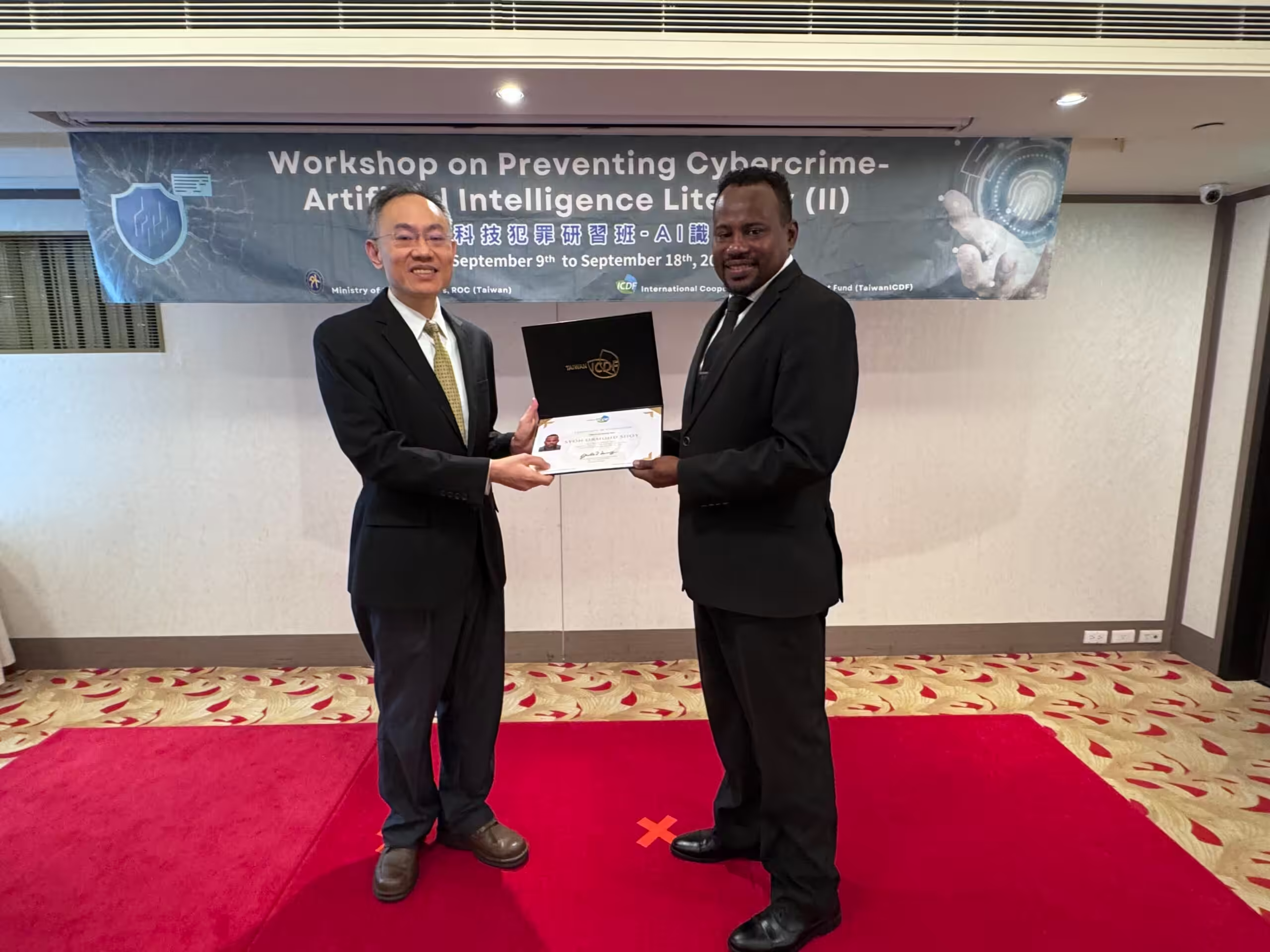
    Sergeant Syon Shoy of the Information Technology Department of the Royal Saint Vincent and the Grenadines Police Force recently participated in the 2026 Workshop on Preventing Cybercrime – Artificial Intelligence Literacy (II), held in Taiwan (ROC) from September 9 to 18, 2026.

    The workshop brought together law-enforcement and other professionals from countries across the Caribbean, Latin America, Europe, Asia, the Middle East, Africa and the Pacific to examine how technology is reshaping cybercrime and the investigations required to combat it.

    Among the areas receiving particular attention was the growing use of artificial intelligence to commit fraud. Participants examined deepfake technology, voice cloning, AI-generated identities and other methods capable of making fraudulent communications appear increasingly convincing.

    The programme also explored cryptocurrency-related crime, tracing financial transactions, preserving digital evidence, responding quickly to financial fraud and conducting investigations that extend across national borders.

    For investigators, speed can be critical.

    Digital evidence can disappear. Funds can be transferred through several accounts or platforms. Information required for an investigation may be held by a financial institution, technology company or service provider outside the country where the offence occurred.

    The workshop therefore placed emphasis on the early preservation of digital evidence, timely tracing of financial transactions, rapid communication with relevant platforms and cooperation among law-enforcement agencies, financial institutions, technology companies and international partners.

    These lessons have direct relevance to policing in Saint Vincent and the Grenadines as more everyday activities, including banking, shopping, communication and business, move online.

    Sergeant Shoy is expected to share the knowledge and practical lessons gained during the workshop with members of the RSVGPF, particularly personnel involved in information technology, cybercrime investigations and the handling of digital evidence.

    His participation forms part of the Force’s continuing effort to strengthen the knowledge and technical capacity required to investigate offences in an environment where the methods available to criminals are constantly changing.

    As technology evolves, policing must evolve with it.

    The RSVGPF will continue to build its investigative and technological capabilities to better respond to cybercrime, protect members of the public and strengthen the Force’s ability to investigate offences committed through increasingly sophisticated digital means.