
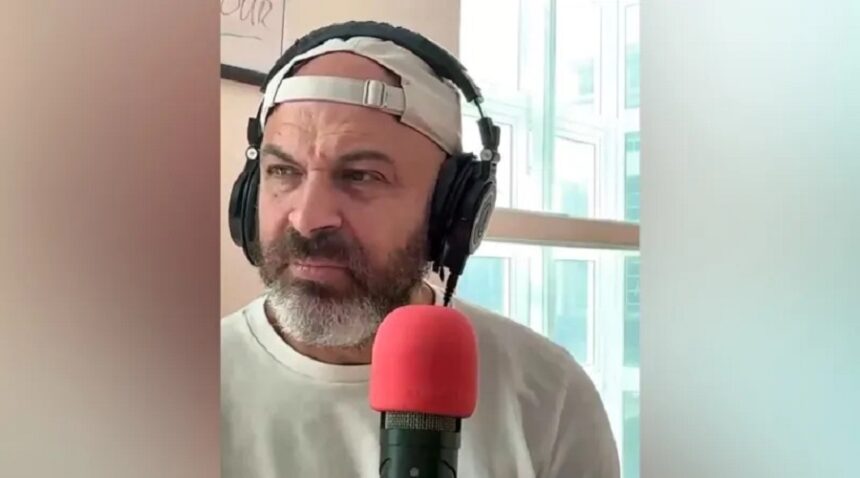
Hot97 FM owner Luke Boyea has strongly criticized the National Telecommunications Regulatory Commission (NTRC) following its directive ordering Star Radio to immediately cease transmission. Boyea characterized the regulatory shutdown of the opposition-leaning radio station as an “anti-democratic” move that utilizes administrative technicalities to silence political dissent.
The regulatory action follows an official letter dated October 8, 2026, from NTRC Director Apollo Knights to Star Broadcasting Corporation Limited Secretary Julian Francis, requiring the company to stop broadcasting on its 98.3 MHz and 104.7 MHz FM frequencies. According to the regulatory body, Star Radio’s broadcast license and frequency authorization officially expired on April 14, 2026, resulting in nearly six months of unauthorized operation alongside delays in securing clearance from the Commerce and Intellectual Property Office (CIPO).

Speaking during his morning radio program, Boyea argued that taking a major station off the air over paperwork and an unpaid fee of $256 sets a dangerous precedent for press freedom. He emphasized that radio journalism and free speech serve as fundamental pillars of democracy, asserting that authorities are “hiding behind” administrative rules to exact a political price on a broadcaster known for its sharp criticism of the government.
Boyea maintained that simple administrative delays in re-licensing paperwork do not constitute a criminal offense and should not trigger the immediate closure of a public media outlet. He further pointed out that the NTRC had not previously taken such drastic enforcement action when other broadcasting stations experienced similar licensing lapses in the past.
Rather than resorting to regulatory shutdowns, Boyea insisted that political leaders ought to counter opposition views through open political debate and substantive policy arguments. He stated that removing the main mouthpiece of the political opposition deprives the public of hearing diverse political viewpoints within the country.
During the broadcast, in-studio debate highlighted counterarguments asserting that statutory regulations must apply equally to all media outlets. Arguments were raised comparing the situation to operating without a valid driver’s license or defaulting on bank obligations, noting that the regulatory board was enforcing established rules after giving multiple warnings.
Despite these counterarguments regarding statutory compliance, Boyea reiterated that weaponizing regulatory paperwork against media houses harms the broader democratic framework. Star Radio must now obtain authorization from the minister responsible for telecommunications and finalize its re-licensing requirements before resuming FM operations.